Types of Meditation Practices (with Guided Meditations)
Sometimes we talk about a specific type of meditation in the WhatsApp group or one of our meditation classes and people ask what something means. I want to offer a bit of an overview of different types of meditation practices for those who are interested, as I realize it’s a common question.
Just a few notes here. First, I’m covering practices with which I’m familiar. This is by no means an extensive list. There are many types of meditation from other traditions, religious and secular. And although most of these practices are rooted in Buddhism, they may come from different traditions.
Second, there’s a bit of overlap on some of these points. For example, practicing with the Four Foundations of Mindfulness (Satipatthana) is a mindfulness practice that builds vipassana (insight). Feeling tone can be related to the body, the mind, etc. If you need any clarification, please don’t hesitate to reach out to me here.
Finally, if you are new to meditation, I don’t want to overwhelm you. Yes, there are plenty of different ways to practice. No, you don’t need to incorporate each and every one of these techniques. At the end, I’ll discuss finding a practice that fits you, and how to incorporate other aspects.
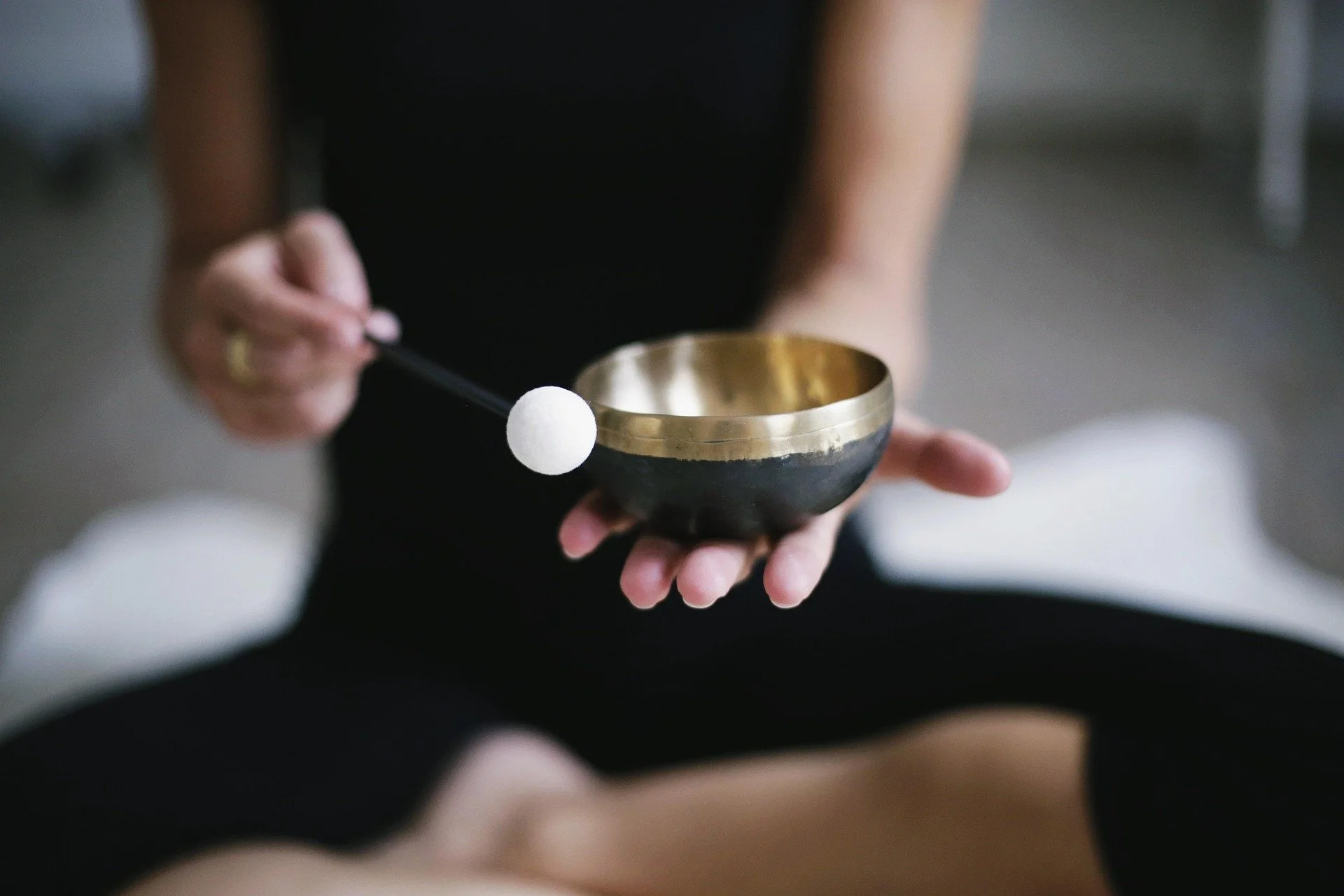
The Two Wings of the Dharma
This is a metaphor often used in Mahayana Buddhism and has trickled into many Western traditions. It’s said that the dharma and practice have two wings: wisdom and compassion. As such, I’ve separated out the first two sections into wisdom-based practices and heart-based practices.
Wisdom Practices
We’re going to start with the wisdom practices. These are practices that fall under the category of samadhi on the Noble Eightfold Path. They include various forms of mindfulness practice and concentration meditation.
Concentration (Samatha)
Concentration meditation, or samatha practices, help us collect the mind and build focus. With practice, we cultivate a quality known as samadhi. This is a quality of tranquility, collectedness, and indistractability. It’s a useful quality that can help us see more clearly, find peace in meditation, and collect the awareness. It’s also one of my beginner meditation tips to cultivate some collectedness of mind as it supports all other practices deeply.
Breath Concentration
This is the most common form of samatha practice in many traditions. We collect the mind onto the breath, bringing the attention back to the sensation of breathing when it wanders. As is true for any form of meditation, this is a practice and a training. Over time, we grow able to rest fully with the experience of breathing for more time. The mind becomes less distracted, and we find some serenity in the breath.
A common way this is done is through breath counting meditation. This is the way I often introduce breath concentration practice to people relatively new to meditation. The counting serves as a helpful aid in supporting continuity of attention as we build focus with the breath.
Mantra Meditation
Many traditions use some form of mantra or chanting as a meditative practice. This is common in some Zen traditions, Nichiren, Pure Land, Tibetan, as well as some Hindu, Jain, and Taoist traditions. I’ll be honest, I don’t really use mantras in my meditation, but it is a legitimate way to cultivate a collected mind.
The mantra works as the object of our awareness. We collect the attention onto the mantra and its intention. Whenever the mind wanders, we come back to the mantra. In some traditions we might repeat the mantra out loud, while others involve silent mantra recitation in the head.
Kasina Meditation
Kasina practice is an ancient form of samatha meditation that was offered in early Buddhism. In later commentarial pieces like the Visuddhimagga, it was offered as a powerful way to cultivate the collected mind. In modern times, the practice has largely been left by the wayside. It’s commonly used by Pa-Auk Sayadaw and is used in some Thai Forest and Sri Lankan traditions.
In kasina practice, we meditate with open eyes, focusing on an object. This is most commonly a colored disk, flame, or element. After some time, we close the eyes to see the image in our mind. We shift back and forth from open to closed eyes to build this image in the mind.

The “Sound of Silence”
This is not a practice I personally use regularly, but some of my mindfulness coaching students have found it useful. This is especially true for some who find feeling of anxiety when working with the breath. My experience with it comes from the Thai Forest monk Ajahn Sumedho. He calls it the sound of silence or “not a sound.”
To do this practice, we need a relatively silent place to meditate. Without noise, we often can sense a high-pitched ringing in our ears. Much like we traditionally do with the breath, we can turn toward this experience and sound. We use it as the object of awareness, and collect the attention onto the sound.
Metta
I will cover loving-kindness, or metta, in the heart practices section below in more detail. But we can use metta as a practice in cultivating concentration. Many notable teachers, such as Thanissaro Bhikkhu, Ajahn Brahm, and Leigh Brasington all advocate for metta as a useful method of cultivating samadhi.
I cover this more in an episode of my podcast below, as well as this post. The concept is quite similar to mantra meditation. We collect our attention onto the phrases and intention of metta. When the attention goes elsewhere, we bring it back as many times as we need to.
Mindfulness Meditation
Mindfulness meditation is a type of meditation practice that helps us build awareness of the present-time experience. Traditionally in Buddhism, the goal is to build wisdom through this practice and having insights into the Three Characteristics. With time and consistency, we grow to see our experience more clearly and less reactivity.
Vipassana/Insight Meditation
Vipassana is the Pali word for Insight. When we use this term, we may be referring to vipassana in the style of S. N. Goenka, or general Western insight meditation. Either way, this is the general term for mindfulness practice that focuses on cultivating insights. It may be done a number of ways, and is more of a general term than a specific practice.
Mindfulness of Breath (Anapanasati)
A form of practice offered by the Buddha, mindfulness of the breath is a common way to practice mindfulness meditation. Known as Anapanasati in Buddhism, it differs slightly from breath concentration. Instead of focusing heavily on the breath, we use the breath as the anchor to observe the Three Characteristics and cultivate wisdom.
Feeling Tone (Vedana)
Coming from the Buddhist teaching of the Four Foundations of Mindfulness, vedana is a practice in looking at the feeling tone of experience. This is simply whether a sensation is pleasant, unpleasant, or neutral. This can be a useful way to see the Three Characteristics, and helps us see the flow of experience from contact to vedana to mental reaction.
Mindfulness of the Body
There are many meditation practices in working with the body. Below are three common ones used in various traditions. There’s also a section toward the end of this post on walking meditation, where we can also practice mindfulness of the body.
Body Scans
The body scan is a common form of meditation with the body that is useful for beginners and experienced meditators alike. I find the structure makes it work well for newcomers. With a body scan, we simply move through the body noting whatever arises in each part of the body. Below is a short practice from my playlist of 5 Minute Guided Meditations to give a try.
Four Elements
This is a practice that also comes from the Buddhist discourse on establishing mindfulness. It’s a bit different than how many practice mindfulness of the body, but I enjoy it as a unique perspective. Rather than moving through the parts of the body as we do in a body scan, we move through the four elements in the body. I have a guided meditation below to give this a shot!
Cemetery Contemplations
The cemetery contemplations, or charnal grounds contemplations, are a traditional Buddhist practice in mindfulness of the body. As the name suggests we tune into the impermanent nature of the body, and the reality that our bodies will eventually end up lifeless. It’s a bit dark-seeming, but a useful reflection on the impermanent nature of the body.

Mindfulness of Mind
It’s a common meditation myth that thinking is just a problem or distraction. Many of my new students view thinking as an issue, but the truth is we can learn to work with the mind. As we do so, we learn thoughts are not facts, and are able to allow thoughts to arise and pass with less reaction. We grow to see the mind and thoughts as another object we observe in practice, no different than a sound or sight.
Mindfulness of Thinking
Thinking during meditation is normal, and many of us can benefit from training the mind in how it relates to thoughts. We practice observing thoughts and thinking in the same way we observe experience at any other sense-door. As we continue to do so, we learn to observe thoughts nonjudgementally, know their impermanent nature, stop identifying with them, and cultivate equanimity and understanding.
Mindfulness of Mental States
In addition to individual thoughts, the mind has an overall mood or mental state. Whereas a thought is the individual object of the mind, the mental state is more of the general flavor. Recognizing mental states can give us insight into when craving and aversion are present, how we’re meeting experience, and overall patterns of the mind.
Mindfulness of Awareness
This is a practice that comes from Sayadaw U Tejaniya. On top of thoughts and mental states, there’s an observing mind that Tejaniya calls the aware mind. We can bring mindfulness to this aspect of the mind in order to view not just what we are observing, but how we are observing. He often calls this awareness of awareness. You can learn more about this practice and style in our free course Awareness in Everyday Life.
Below is a talk and meditation from our Thursday Morning Meditation in August 2026 where we discuss awareness of awareness a bit. You can find the full playlist of recordings here, or listen to this one below.
Open Awareness
Finally, I want to touch on general open awareness practice. As the name suggests, this is a practice in which we sit with our awareness open, recognizing what arises and passes. We may use a Mahasi-style noting for this practice, or just rest without labels. This is a practice that allows us to get to know the moment-to-moment experience, regardless of what it may be.
Heart Practices
Switching gears, I want to cover the different types of meditation practices that have to do with the heart. These include traditional Buddhist heart practices, as well as some more modern ones that are often incorporated. With these practices, we train to respond with more kindness to ourselves and others, care for the wellbeing of beings, learn to speak more kindly to ourselves, and much more.
Loving-Kindness (Metta)
First up is metta, or loving-kindness. Metta is often translated as loving-kindness, but many scholars use terms like friendliness and goodwill. It’s the quality of caring for the wellbeing of someone (including ourselves). We cover the benefits of and research into loving-kindness practice here.
Compassion
Compassion, or karuna, is the second of the Buddhist heart practices. When loving-kindness comes into contact with pain or suffering, it becomes compassion. Compassion is caring for the suffering in ourselves or another. It can help us get to know the difficult emotions, care for others, and stop beating ourselves up.
Appreciative Joy
Next up is mudita, or appreciative joy. This is the quality of rejoicing in the joy both we and others experience. Much as compassion is metta when it meets suffering, mudita is metta when it meets joy. We learn to really rejoice in the happiness we experience, show up for others without envy, and celebrate ourselves and others.
Below is a guided meditation on appreciative joy from our playlist of Ten Minute Guided Meditations.
Equanimity
Finally, we have the practice of equanimity. This is the container that helps us relate to both our own minds and others with stability and spaciousness. Equanimity allows us to meet experience without getting knocked so far off balance.
Forgiveness
This is not a traditional Buddhist heart practice, but a useful one nonetheless. Forgiveness meditation is a powerful way to leanr how to forgive ourselves, let go of resentments toward others, and free up space in our hearts. Below is a guided forgiveness meditation from our free 30 Day Meditation Challenge.
Gratitude
Another one that isn’t technically a Buddhist practice, but I find useful. By cultivating gratitude for ourselves and others, we change our perspective. We learn to appreciate life, experience, people, and everything around us. This isn’t to spiritual bypass and pretend everything is perfect, but to appreciate that which is lovely. Below is a guided gratitude practice from our playlist of Mindfulness for Beginners.
Walking Meditation
Walking meditation is an important form of practice in most Buddhist traditions. The Buddha instructed us to practice explicitly while seated, standing, lying down, and walking. With walking meditation, we can cultivate mindfulness, concentration, or any of the heart practices. It also acts as a powerful bridge to daily life, as meditating on the move can help us learn to be more mindful as we walk throughout our days.
Eating Meditation
There are many ways to practice eating meditation. I began practicing mindful eating more deeply after spending time at Deer Park, a monastery in the tradition of Thich Nhat Hanh. With mindful eating, we tune in fully to the experience of eating. From the flavors and sights to the feelings of hunger and fullness, we can use this regular activity as a way to cultivate mindfulness, kindness, and awareness of craving.
Movement Practices
There are many other forms of moving meditation, including yoga, qigong, tai chi, and many more. I want to specifically note this because I find movement practices to be incredibly beneficial. We can take care of both our minds and bodies at the same time, learn to work with a body that’s moving, and often release some tension in the nervous system.

Couples Meditations
Finally, there are many forms of couples meditations. These are practices we do together with a partner or even a trusted friend or family member. They help us cultivate mindfulness in relationships, cultivate qualities of love and presence, and reduce reactivity in relationships. Practices include Beginning Anew, dyads for couples, and out-loud metta.
Below is a practice from my Mindfulness for Couples playlist on YouTube. It’s a guided metta practice you can do with a loved one or partner.
Choosing a Meditation Practice
So, with all of these potential practices, how do we choose what to do? It can be quite overwhelming. I have a few tips, and you can check out my post Mindfulness for Beginners for more thoughts on this.
Getting Started with Meditation
When you first get started with meditation, it may be useful to investigate different practices. See what lands for you. What sparks interest? For this reason, my free Month of Mindfulness program covers a variety of different ways to meditate. With 3-6 minute long meditations, it offers a month of free meditations to investigate different techniques and build the habit.
I do recommend starting a daily meditation practice, as the regularity will help in many ways (more on this in a moment). I also recommend not starting with long sits. You want the meditation to be accessible, and not something you hate. You might start with some two minute mindfulness breaks, five minute meditations, or something that feels doable to you.
Digging More Deeply
When you find a technique or meditation practice that lands for you, dig in! If we bounce around too much in our practice, we don’t end up building any depth to the practice. In order to really cultivate a quality or find wisdom, we must give a practice a fair shot. I often tell my students to try something consistently for at least a month before they say it is or isn’t for them.
Think about it like going to the gym. If you go to the gym one day and do a few bicep curls, you’re just going to be left with some soreness. But after a month of doing this consistently, you’ll notice growth in the muscle. In order to see the benefits of practice, we have to really dive in.
Checking for Gaps
As you do develop a practice or method, be mindful of gaps in your practice. Maybe you’ve cultivated a concentrated mind, but it’s not very gentle or kind. This calls for some loving-kindness. Or maybe you have been practicing self compassion and are able to meet your suffering more tenderly. But there’s no understanding in the compassion or clarity. This may call for more mindfulness practice.
Recognize where there are gaps in your practice. Personally, I have a main practice I use regularly. Then, I sometimes mix in other practices and techniques when I feel they are needed or lacking. You have to observe yourself and your experience in this way to notice and take action.
The Role of Continuity
Finally, continuity is key. I cover this, including research to support the claim, in my post How Often Should You Meditate as a Beginner? This includes sitting in meditation every day if we’re able, learning to practice mindfulness in everyday life, and finding some continuity. I learned this idea from Sayadaw U Tejaniya, and today believe continuity is one of the most important parts of a healthy and beneficial meditation practice.
If you have any questions about meditation or which type of meditation may be right for you, please contact me. I’m always happy to answer questions or give you a point in the right direction!
More Posts

Matthew Sockolov is a Buddhist meditation teacher who trained at Spirit Rock Meditation Center in Woodacre, California. Completing the Dharma Leader training program in 2017, Matthew was given power to teach in the Insight Meditation tradition by Jack Kornfield, Kittisaro, Thanissara, and others. You can learn more about Matthew here.