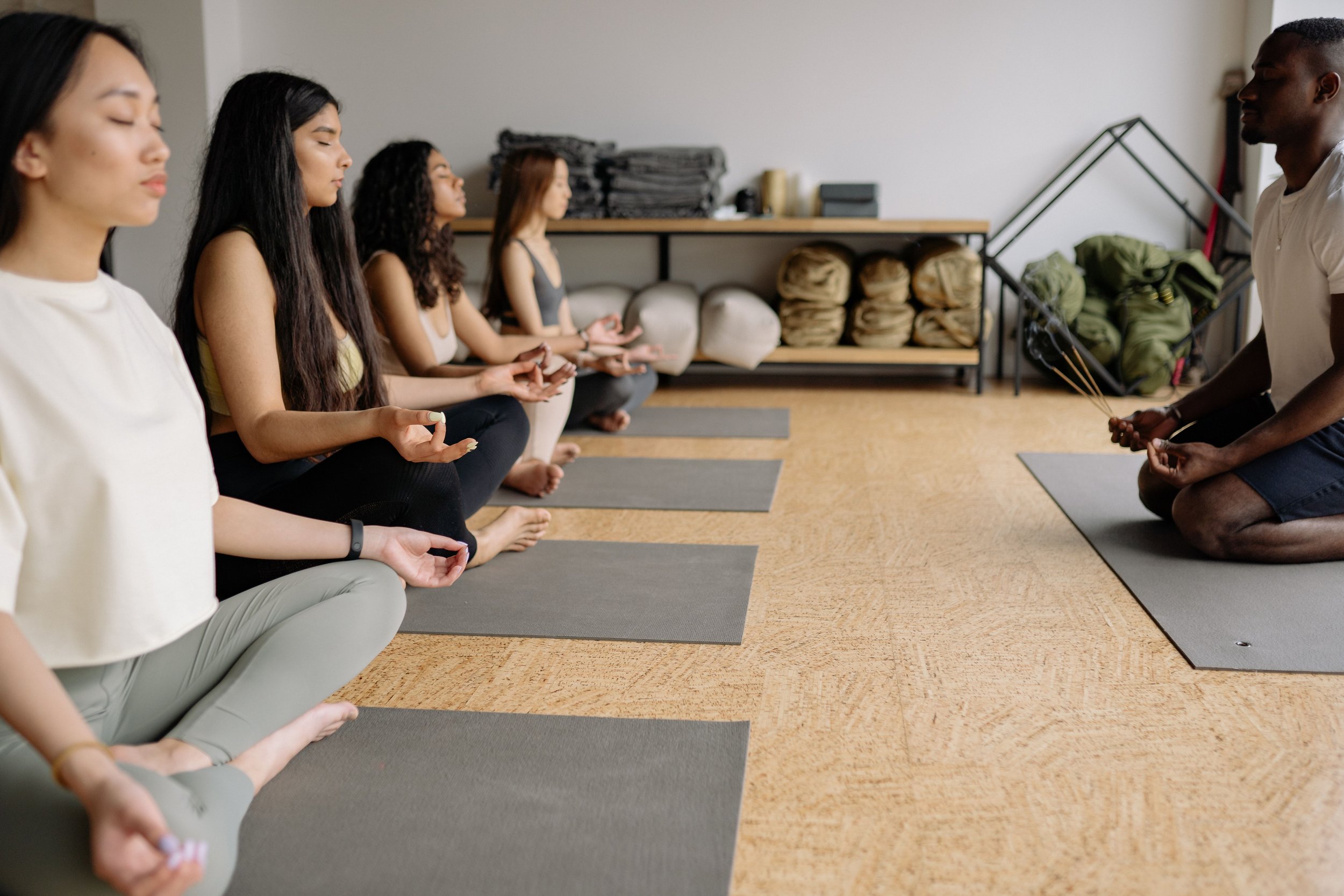
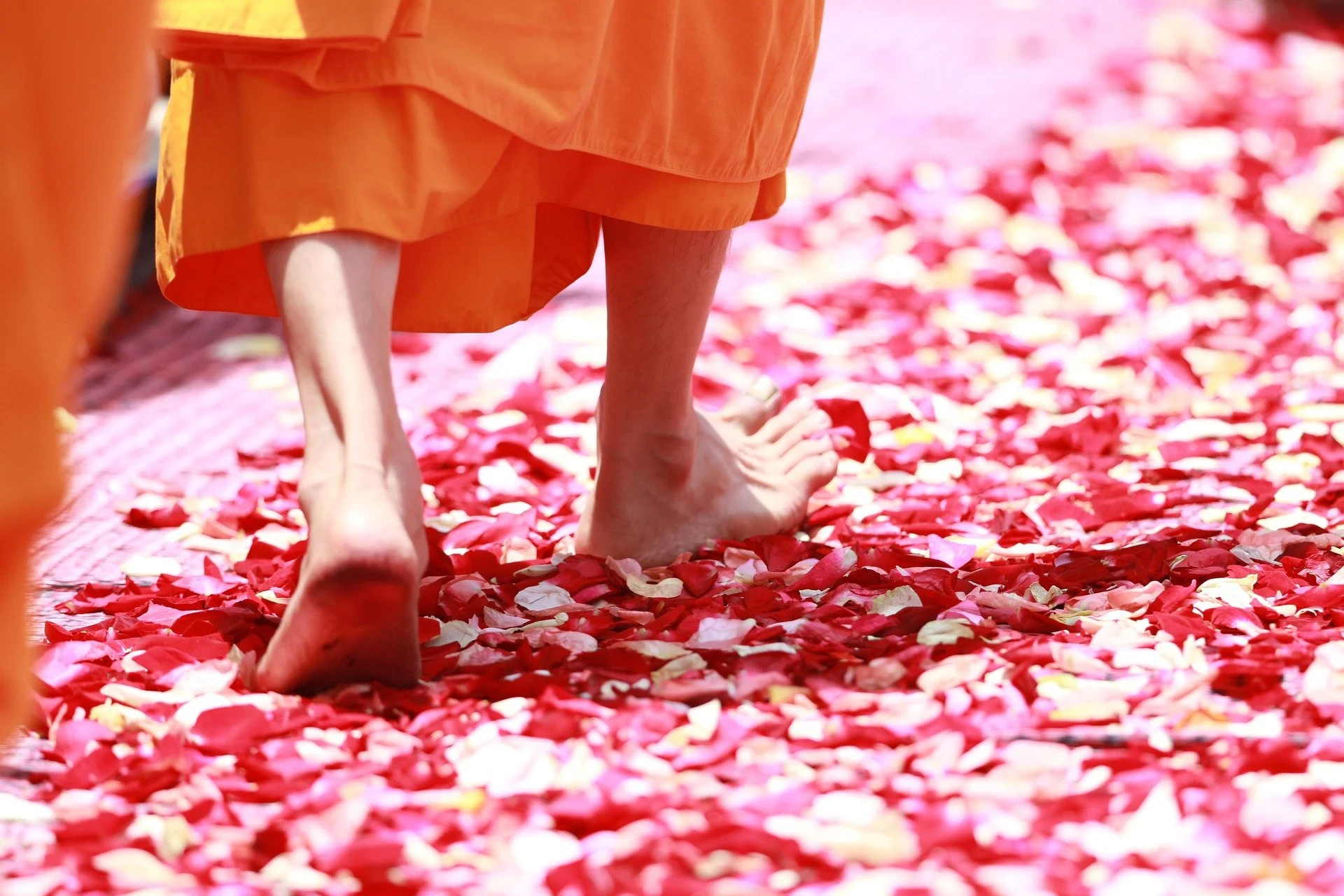
Although you likely think of sitting still when it comes to meditation practice, we can actually meditate at any time. One common way we practice on the move is via walking meditation. It’s often forgotten in the West and rarely practiced, but is a core part of a complete mindfulness practice.
The Buddha himself recommended walking meditation on many occasions, including most notably in the Discourse on Establishing Mindfulness. At most monasteries and meditation retreats, walking meditation is an integral part of daily practice. We can benefit from bringing this practice out of the container of retreat or monastic life and into our lives.
To learn more about mindfulness, check out my page Mindfulness for Beginners: A Guide to Getting Started with Meditation.
How I Use Walking Meditation
Before jumping into what exactly walking meditation is and how we do it, I want to share about my experience with walking meditation. I was certainly first introduced to walking meditation in the context of retreats and spending time at monasteries. There were various ways it was practiced (which I’ll talk about in a bit).
Today, I practice walking meditation nearly daily. I use it with my sitting practice. I don’t set a timer, but I generally sit for about fifteen minutes, walk for five or ten, sit for fifteen, walk for a few, then sit for longer. I do this because the walking meditation helps my body not hurt during longer periods of sitting, and helps me maintain the samadhi, or collected mind.
I also walk with at least one of my dogs every day. I make a point to not listen to headphones, not bring my phone, and try to be mindful. Coming from the way I learned walking meditation at Deer Park Monastery, it’s a less rigid and more open form of walking meditation, but one I find peaceful, insightful, and rejuvinating. I will talk more in a bit about different ways to practice!
What is Walking Meditation?
Walking meditation is fairly simple. It is meditation while walking instead of sitting. There are many different ways to practice walking meditation, just as there are many different ways to practice sitting meditation. It’s a common misconception that we must be sitting in order to meditate.
Much as we can cultivate loving-kindness, mindfulness of the body, or concentration in sitting meditation, we may do so with walking. It’s a versatile practice. There are of course upsides and downsides to walking meditation when compared to sitting meditation, but we can use this tool to practice in a new way.
When Walking Meditation is Useful
There are a few times that I really recommend walking meditation to my students. Sometimes I have found walking meditation to actually be the more useful practice in some scenarios, and it’s useful to have it in your toolbox for when you need it.
With Anxiety
Some people feel quite a bit of anxiety during their meditation practice, or they may feel anxious after meditating. In these cases, walking meditation can be a great tool to add to one’s arsenal. Sometimes the movement in the body while practicing can help release and discomfort in the mind and body, restlessness, or tension that builds up during sitting practice.
Physical Discomfort
Meditation can feel hard at first for many reasons, and we can’t control all of them. However, physical discomfort is one we might be able to work with. As I shared is true with me, I find walking meditation to be a great way to work with physical discomfort during meditation. If walking is less uncomfortable for you, it may be a great way to dive into these practices without the distraction of physical pain.
Overactive Mind
Similar to working with anxiety, walking meditation can be useful when the mind is active. Yes, it’s normal to think during meditation, but sometimes we might not find ourselves able to bring mindfulness to the thinking mind. I have found that practicing while moving can help us bring more awareness to the thinking mind. It may not “fix” the mind or stop all thoughts, but it can make it easier to observe the thoughts arising and passing.
Sleepiness
On the flip side, walking meditation is a great practice for those sleepy moments in meditation. Simply put, it’s a lot harder to fall asleep while walking than it is while sitting! Walking meditation helps us invited in energy to our practice. When you find yourself experiencing sleepiness or fatigue in meditation, stand up and try walking meditation.

Benefits of Walking Meditation
Walking meditation has many benefits. Obviously there are the specific scenarios listed above where walking meditation can be beneficial. We also could say that the benefits of walking meditation are the same as sitting meditation. We build mindfulness, concentration, loving-kindness. And as a by-product we reduce suffering, regulate emotions more easily, and gain an understanding into the nature of experience.
Bridging the Gap to Daily Life
One of the greatest benefits of walking meditation in my experience is that it can help bridge the gap between sitting meditation and daily life. We spend our days on the move, not sitting in meditation. Walking meditation can help us bring our practice to life more easily. As we practice walking meditation, we begin to be more mindful in everyday life, bringing our attention to the walking we do throughout the day.
Bodily Awareness
Although sitting meditation offers plenty of opportunity for practice in bodily awareness, walking meditation offers something unique. We’re able to practice mindfulness of the body with the body on the move rather than sitting still. We have new sensations and experiences to tune into, and can relate to the body as it moves more easily.
Nervous System Regulation
Walking is a great way to regulate our nervous systems which can help with emotional regulation and processing, reducing symptoms of anxiety, and improving clarity of thought. A 2024 review of 75 studies found that walking significantly reduced symptoms of depression and anxiety, even in those who walked for short bouts. I’ve found this in my own practice. If I feel especially activated, I do a walking meditation rather than a seated one.
Physical Benefits
I’m not going to dive deeply into all of the benefits of walking. But we know that walking can improve circulation, is good for cardiovascular health, supports healthy joints, etc. I don’t think meditation needs to be combined with physical activity to be good for us, but it certainly is an added benefit of walking meditation.

Walking Meditation Instructions
As mentioned earlier, we can really do walking meditation with nearly any practice we might investigate in seated meditation. Here are a few common ways to practice walking meditation. I’ll first offer some basic instructions, then cover how we can adapt them to specific practices.
Basic Instructions
To start with walking meditation, you’ll need to find a space. It doesn’t need to be anything special; do it where you feel comfortable. It might be inside or outside. You’ll want maybe 3-6 meters (10-20 feet) to walk back and forth. My recommendation here is to not do this in a place where you will be easily distracted. For example, I try not to do walking meditation in the kitchen where food or fruits might catch my eye.
You will walk back and forth with these practices (except for one, which I will explain). You can absolutely do this with shoes on. I strongly prefer practicing barefoot, but I also generally prefer being barefoot. Do what works for you; just because something works for me doesn’t mean it’s right for you!
Ideally we can walk fairly slowly. This is to encourage presence and a collected mind. I actually find that when my wind begins wandering, I nonconsciously start speeding up. The speed at which we’re moving can serve as a sign of our presence.
Walking Concentration
Walking lends itself well to concentration practices. To do a walking concentration practice, we pick an object to focus on with our awareness. Most commonly in walking meditation, this is the sensation of the feet stepping. If you aren’t clear on what concentration in meditation means, check out my post Mindfulness and Concentration: Complementary Qualities.
Start by collecting your attention on the feet while standing still. Feel the sensation of the feet on the floor, pressing down.
As you go to take your first step, tune into the sensation of the foot losing contact with the floor and then coming down in front of you.
Shift your attention to the other foot as you do the same.
Walk this way to the end of your path, and mindfully turn around (keeping attention in the feet).
Continue in this fashion, back and forth. When the mind wanders, gently bring it back to the sensation of the feet.
Mindfulness of Body
Mindfulness of the body with walking meditation can be done a handful of different ways. You might focus on one part of the body, do a body scan while walking, or allow your attention to wander where it is drawn. In these instructions, I’ll offer a practice in open awareness of the body.
Begin the same as the concentration practice. Stand still and feel your feet on the floor. Even while standing “still” you might notice little micro-movements or swaying. You also might rest your awareness with the sensation of the body breathing.
Taking your first step, start at the feet. Tune into the sensations in the feet as you walk the first length and back.
Then, gradually open your awareness up to see what else you feel. Don’t feel pressured to find anything in particular. Go where you are called in your body. You might notice the shift of weight in a foot as you take a step, the various muscles of the body working to make the step happen, the sensation of your torso or head moving through space, the temperature of the air on your skin, etc.
When the mind wanders off, return to the feet as your anchor to the present-time experience.
Walking Vedana
I really love walking as a practice in observing vedana, or feeling tones. As you walk, you can bring awareness to the feeling tone of experience. This is much the same as sitting meditation, but again offers a great bridge from meditation practice into daily life.
Begin by standing still and simply noticing any feeling tone present. How do your feet feel on the floor beneath you? Is it pleasant, unpleasant, or neutral?
As you walk slowly, bring your attention to the sensations in feet and their feeling tones. Be sure to recognize the neutral ones as well as the pleasant and unpleasant.
You might continue in a more open fashion, noticing feeling tone elsewhere in the body that arises.
Walking Loving-Kindness
During loving-kindness practice, many people sync their phrases with the breath. With walking loving-kindness practice, we might use the steps to do so. And much like sitting meditation, we can offer loving-kindness toward ourselves or others.
For this practice, begin by standing still and offering your feet or body a phrase of loving-kindness. You might use the phrase, “May my body be at ease.”
As you take your steps slowly, begin offering phrases of loving-kindness. Use the steps to find rhythm with the phrases.
You can use the end of your pathway and turning around as the time to switch from one person to another if you are doing loving-kindness for others.
Zen Mindful Walking
Finally, I want to offer a more relaxed walking meditation practice that comes from my time at Deer Park monastery. This is often done in community with the brothers and sisters, and is less structured than the above practices. It’s what I do during my walks with the dogs.
Begin by taking a few deep breaths to collect your attention on the body. As you walk, you don’t need to walk quite as slow as you might during a concentration practice. But you do want to walk slowly enough to feel the feet on the floor and legs moving.
In addition to tuning into the body, tune into the world around you. Notice the movement, the sounds, the colors, the smells. Try to be aware of the world within and around you. This is gentle, not done with pressure or straining.
Walking Meditation Script
For a walking meditation script, visit my page on One Mind Dharma here. We have a collection of 50 practices in script form here, downloadable for free! There is, of course, a walking meditation in there, as well as other moving practices.
More Posts