Am I Meditating Correctly?
Many meditators have doubt arise in their practice. Wondering if you’re meditating correctly is completely normal and quite common.
I am not here to tell you what is correct meditation or not. That depends largely on the tradition, type of meditation, and your personal experience. We can, however, practice in a way that helps us maximize our time on the cushion and get the most out of meditation.
If you are new to meditation and mindfulness, I recommend checking out my page on Mindfulness for Beginners. It has an explanation of mindfulness, the benefits of practice, common questions and struggles, tips, and more.
You can also check out my Practicing Mindfulness course to learn about bringing mindfulness to life outside of meditation.
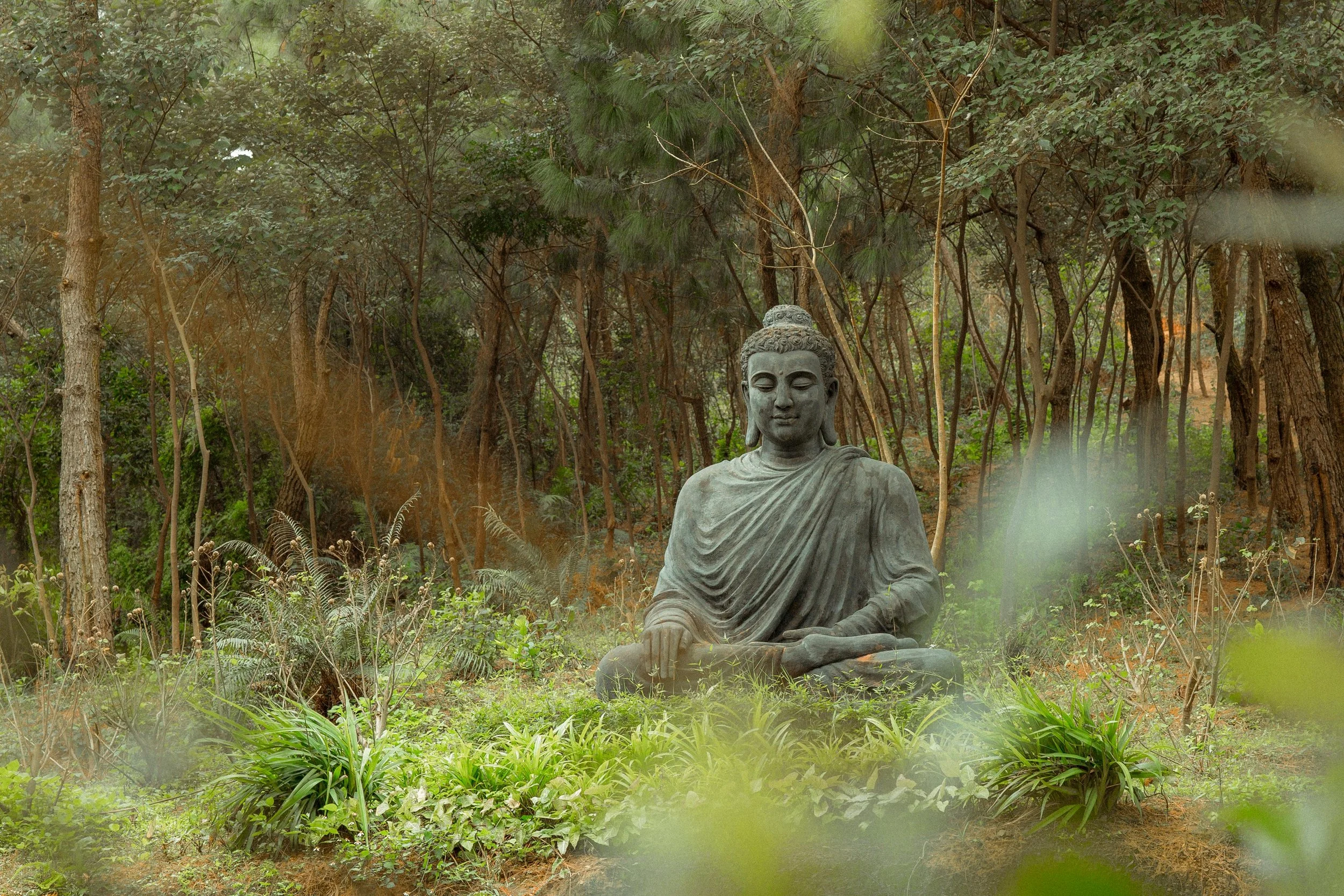
What is “Correct” Meditation?
I have been directly asked many times how to meditate correctly, and it is such a tough question to answer. Even within one meditation tradition, there are many ways to meditate. How I practice mindfulness of the breath might not be how you practice mindfulness of the breath.
There are common mistakes that beginner meditators make, but there is not one absolute right way to meditate. If somebody tells you there is one correct way to meditate, run. There is a purpose to meditation in most traditions, but it varies from one to another.
To me, “correct” meditation is a personal issue. I cannot tell you if you are meditating correctly or not. If you are practicing in a specific tradition or with a specific technique, I can help you figure out how to do it in a way that is helpful. We may think meditation should feel a specific way, but experiences can vary greatly.
Really at the core of correct meditation is meditation that works for you in your pursuit of some goal. If you want to cultivate mindfulness and your practice is helping you be more mindful, it’s working. If you want to be more compassionate but find yourself not growing after some time, it may be time to consider adjustments.

Tips for Getting the Most Out of Meditation
Regardless of the type of meditation you are doing, there are a few ways you can practice to get the most out of meditation. Keep in mind that I mainly practice in the insight meditation tradition, so these will be largely informed by my practice.
Know Your Intention
Sometimes we may feel like we aren’t sure what we are doing in meditation. Connecting with your intention ahead of time can be helpful. Why are you meditating? What are you hoping to cultivate or work toward?
This is important for two reasons. First, we orient ourselves toward this goal or aim. By remembering our deeper intentions, we bring them to the forefront of the mind and help ourselves connect with why we are practicing.
Additionally, connecting with an intention helps us see if our meditation is working for us or not. An intention, such as cultivating more present-time awareness, gives us the ability to check in and see if our practice is moving us toward the desired presence.
Watch Expectations
Expectations can be quite the hindrance when it comes to meditation. Meditating is not a quick fix. It takes time, and having too lofty of expectations can leave us feeling like we’re not progressing or doing it right. A good place to start is with the expectation that we need to clear the mind to meditate.
Furthermore, expectations can be tied in with clinging, one of the root causes of suffering in Buddhist meditation. When we spend our energy, however subtly, clinging to what we want or how it should be, we are doing ourselves a disservice.
You can have intentions, but let go of expectations. If you find yourself clinging to some outcome, be mindful of it and let it go.
Check Progress
Check in with your intention from time to time. Is your practice helping you work toward this goal? You might check in with any symptoms you’ve been trying to work with like anxiety, overthinking, or insomnia. Are they getting any better?
Respond Mindfully
This is true for any type of mindfulness-related meditation, whether it be a mindfulness practice, heart practice, or concentration practice. Whatever arises, meet it with your awareness.
The mind wandering or racing, for example, can be a part of your meditation practice. To meditate “correctly” with an active mind means to be aware of it. We also might try to soothe it or calm it, but we must be mindful of the activity. Don’t try to exclude it from your practice.

Bring Kindness to Your Meditation
I think I will go so far as to say this is the one way meditation can be correct or not. Meditation should be imbued with a sense of kindness. This includes kindness toward others, but I am referring specifically to kindness toward our own internal experience.
We may have a habit of judging, being harsh with the thoughts or thinking mind, or even simply being overly tight and stressed in meditation. Kindness is an important part of practice. Don’t forget to relax a little, and invite in some gentleness with whatever you are experiencing.
Use Structure
If you feel like you aren’t sure if you are meditating correctly, try some structure. It may be guided meditations, a meditation program, or sitting with a local community. Some structure can help you to learn the practices and know exactly what to do. I cover the benefits of guidance in my post Guided Meditation vs. Silent Meditation: Which is Right for You?
If you’re looking for a free way to structure your meditation practice, check out my 30 Day Meditation Challenge. You’ll get a month of meditations for free, covering a variety of topics like mindfulness of the breath, walking meditation, compassion, and more.
You might also check out my Intro to Mindfulness course. It’s free, just a week long, and offers a great way to dive into the basics of mindfulness and meditation.
Practice Regularly
Consistency is key when it comes to meditation. In fact, meditating regularly is arguably more important than meditating for long periods. To get the most out of your meditation practice, make it a habit.
I know it can be hard to sit daily. But if you can even set aside five minutes a day, it will be greatly beneficial. If you want support in starting a regular practice, I have some tips here.
More Posts



Matthew Sockolov is a Buddhist meditation teacher who trained at Spirit Rock Meditation Center in Woodacre, California. Completing the Dharma Leader training program in 2017, Matthew was given power to teach in the Insight Meditation tradition by Jack Kornfield, Kittisaro, Thanissara, and others. You can learn more about Matthew here.