14 Meditation Tips for Beginners
I am obviously a huge fan of mindfulness and meditation. This path has helped me in every aspect of my life. Once we get rolling with meditation, it becomes something we look forward to. However, starting a practice can be difficult. It’s often confusing, overwhelming, and/or slow in its progress.
To help with this process, I have a list of some of the most important tips I think people should know when getting started with meditation. These tips aim to help you get started with meditation, but remember to be patient and let it go slow! Meditation can feel hard at first, and that’s perfectly normal.
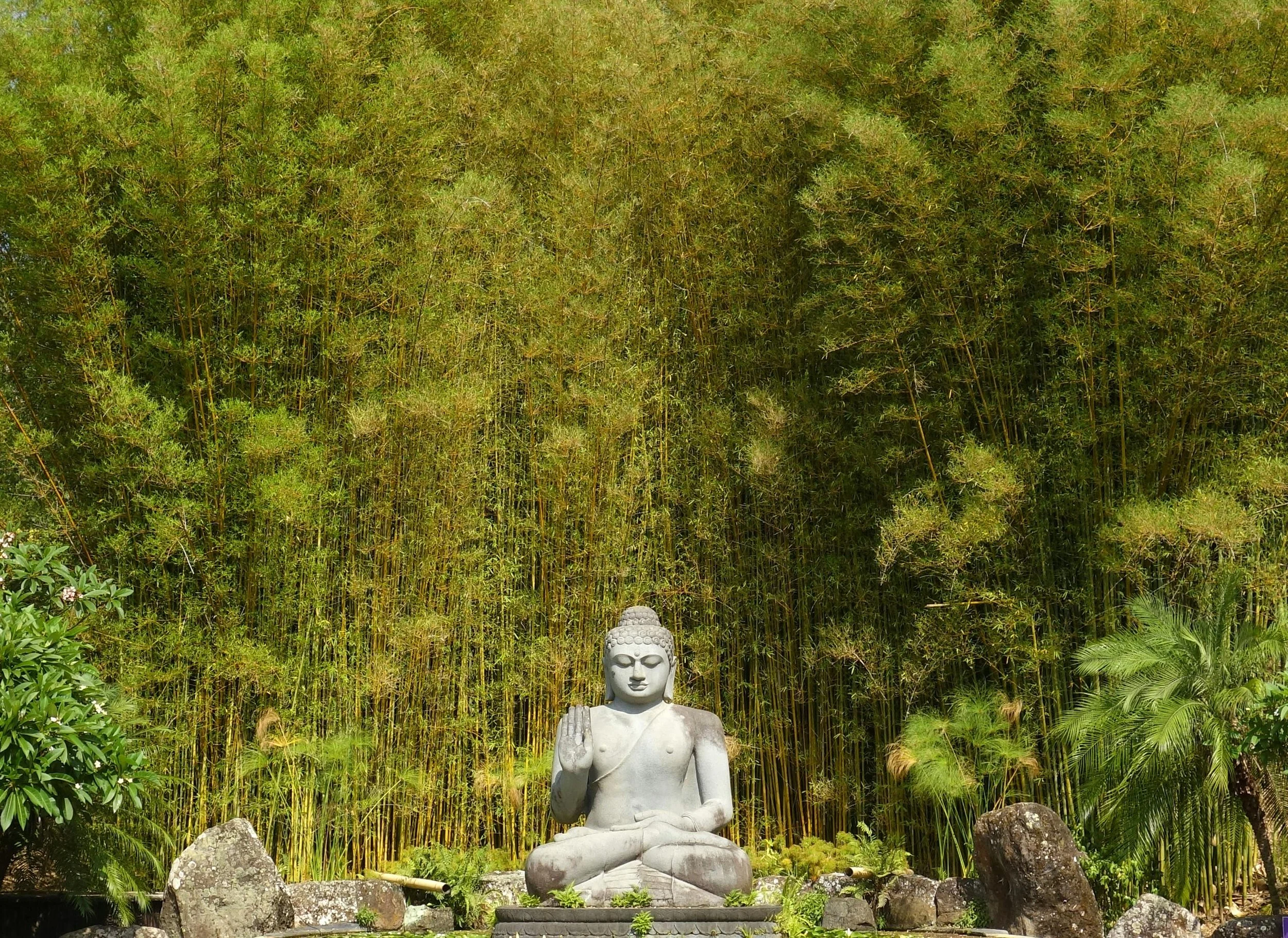
Start Small
You don’t have to start with long periods of 30+ minutes meditating. In fact, trying to practice like that can actually make it harder to get into meditation. You wouldn’t decide to start running and go out and run a marathon on your first day. Take it slow, and start small.
With students truly new to meditation, I generally recommend they start in the five to ten minute range. This is often enough to begin to build the meditation habit, get a feel for meditation, grow some curiosity, and begin a practice. You can read my post For How Long Should Beginners Meditate? for more information and a bit of what the research says.
Get Comfortable
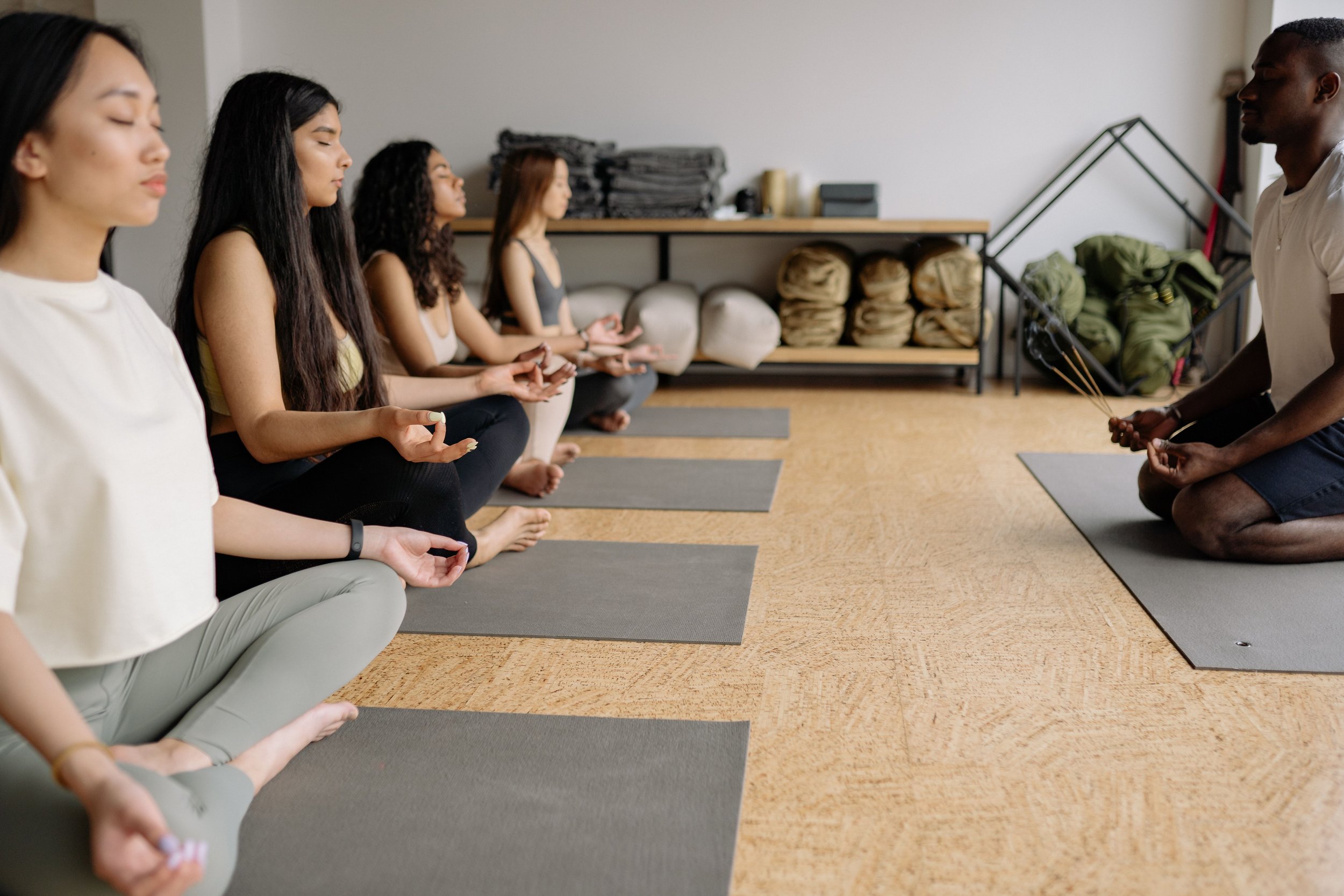
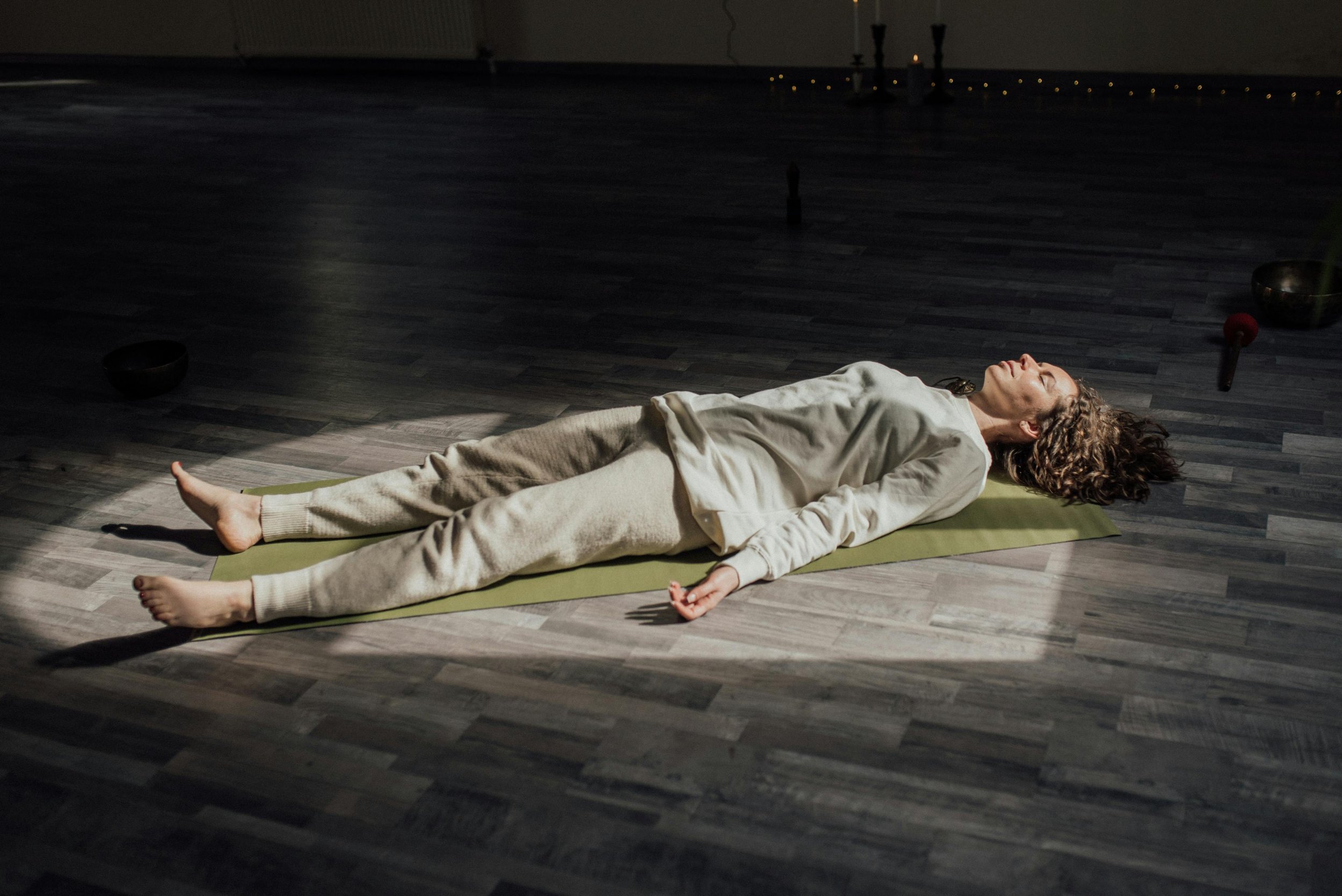
A common misconception about meditation is that we need to sit in a specific way. In reality, a correct meditation posture is any posture that supports our practice. For one person this might be lying down, while for another it might be sitting on a chair. Let go of what meditation “should” look like and investigate for yourself.
You want to find a posture that is supportive and conducive to your practice. Don’t sit in a position where you feel notable discomfort. For many beginners, a chair is a great way to go with the feet flat on the floor. Lying down can be a solid option, but you may find yourself sleepy or lethargic.
Stop Resisting Thoughts
Perhaps the most common misconception of all is that we must clear the mind to meditate. As I cover in my post Do You Have to Clear Your Mind to Meditate?, this is a complete misunderstanding. Trying to clear your mind to meditate will just leave you frustrated and disappointed. Don’t resist the thoughts; make them a part of your practice.
It is totally normal to think during meditation, and happens to everyone. Instead of pushing the thoughts away or resisting them, make it a part of your practice. We can learn a lot and develop quite a bit of insight by watching the mind and thoughts. I have a talk below from back in 2020 about working with thoughts and what that looks like, but the basic point is to make it a part of your practice.
https://www.youtube.com/watch?v=EPi5KH2UJXE
Be Consistent
I know it can be hard to find the time to meditate, but consistency really is your best friend when it comes to building a meditation practice. Consistency helps us build the habit and we can keep mindfulness at the forefront of our minds. In my opinion, getting at least a little sit in every day is perhaps the most important thing you can do in starting a practice.
Research that I cover here also supports this. Consistency has been found to be more closely correlated with building the habit and positive outcomes than total time meditated. Prioritize consistency over sitting time! You can visit my page How to Start a Daily Meditation Practice: Tips and Guidance for Beginners to find more suggestions on how to build consistency.
Create a Routine
To help build consistency, finding routine is one of the best things you can do. Routines help us build habits more easily, and can help make meditation a little bit easier. When we sit in the same place every day at the same time, we activate some context-dependent memory. The mind and body recognize it as meditation time.
You certainly can find the time that works well for you, but try to make it the same time every day. If you want to give yourself the best chance at building a long-term habit, morning may have a slight edge over afternoon or evening sits. You can read more in my post Should I Meditate in the Morning or at Night?
Build Concentration
You don’t need to clear the mind, and the next section discusses trying different practices. But building concentration is a necessary part of starting a meditation practice. Whatever type of meditation you do, make sure to dedicate at least a couple of minutes to some concentration practice. I cover in this post the differences between concentration and mindfulness, and how they work together to build a complete practice.
There are many ways to do this. The most common way is by working with the breath with something like a breath counting practice. You can also use metta, or loving-kindness as a concentration practice. I talk about loving-kindness as concentration more in my podcast episode here if you’d like to learn more.
As a sidenote, I don’t love the word concentration, but it’s the word we use in English. The word in the Buddhist teachings is samadhi, which actually comes from the root words meaning to join or put together. Experientially, I think it can be understood more as a collecting of our attention onto an object, as sometimes the word concentration has a connotation of straining or stressing. Concentration should be gentle, not strained.
Try Different Things
Especially if you are struggling with meditation, try different practices. I recommend trying different practices and following your curiosity. Although we meditation teachers often teach newcomers with a few specific practices, they may not be right for you. There’s nothing wrong with that. Do what works for you.
You don’t want to bounce around forever, as you’ll never really cultivate a quality deeply in this way. Try different practices and when you find something that clicks, dive in.
Give Yourself Time
Meditation practice requires patience. You might not notice some huge change in personality after a session or two. You also may not have any insights or new understanding right away. I find a lot of people leave meditation because they aren’t getting the results they want, but they’re also not giving it enough time. You can read my post How Long Does Meditation Take to Work? to learn about what the research says in regards to the benefits from practice.
Stick with the practice, give it time to develop. I have found, even after years and years of practice, that consistency greatly changes my experience with practice. Practice every day, and don’t feel the need to check in constantly. Give it some time and allow the clarity, wisdom, and understanding space to come to you rather than constantly searching for it.
Watch Expectations
On a similar note, watch out for expectations. Expectations are often closely tied to craving and clinging, which can cause quite a bit of suffering. With expectations, we set ourselves up for disappointment, frustration, and a lack of clarity. Let go of what you think meditation is supposed to feel like.
Rather than focusing too hard on what you expect or hope to get out of meditation, bring your energy to what is actually happening. Pay attention to your present-time experience. If this includes expectations or clinging to some outcome, note it. But keep your energy trained on what is happening, not what could or should happen.

Use Guidance
I find that some people shrug off guided meditation and guidance as a lesser form of meditation. I think silent sitting has its place, but guidance can be incredibly useful. This is especially true for beginner meditators. Guidance helps us stay on track, know what exactly we should be doing, and introduce us to new practices and techniques.
For some guidance for beginners, you can check out my playlist of talks and meditations for beginners here. You also can check out my post My Favorite Mindfulness and Meditation Podcasts for other podcasts I enjoy. There are a variety of different shows there. Some are more Buddhist in nature while others are secular.
Don’t Do It Alone
If you can, find someone to practice with. Although meditation is generally a solitary activity, it is often helpful to have a meditation buddy. You can bounce ideas around together, learn from each other, and encourage each other with your practices. There’s a reason there are so many meditation communities out there.
You might do this by finding a local meditation or mindfulness community, engaging with an online community, working with a mindfulness coach, or finding a friend to meditate with. If your partner is also interested in mindfulness and meditation, you can try some couples mindfulness activities for a great way to connect with each other mindfully.
Don’t Overanalyze
One of the most common things I hear from students is some form of overanalyzing. It’s a fairly common experience in meditation. It might come up as trying to figure something out, feeling confused, or wondering if you are meditating correctly. However it arises for you, notice it and try to not get hooked in.
Kindness is Essential
An essential part of mindfulness is kindness. A mindfulness practice without kindness is simply incomplete. Practicing loving-kindness and compassion help us to respond to the mind with more patience and gentleness. This in turns allows us to see experience more clearly, without the burden of judgement, anger, and resistance.
We do this through loving-kindness practice, cultivating the ability to open our hearts a bit. Even if you want to focus on mindfulness and insight practices, loving-kindness is an absolute necessity in my opinion. You should incorporate these practices into your routine to support yourself in other practices and in life.
Practice Off the Cushion
Finally, find continuity with your practice by cultivating mindfulness in daily life. By returning to mindfulness throughout the day, we keep it at the forefront of our minds. We don’t live on the meditation cushion. Finding ways to return to present-time awareness throughout our days can help us live with an engaged mindfulness.
There are many ways to do this. We can use grounding exercises, awareness triggers, and practice walking meditation. I recommend checking out my post Learning to Practice Mindfulness in Daily Life for some ideas on how we can do so. I also have a free online course, Intro to Mindfulness that offers a great way to get started with meditation!
More Posts



Matthew Sockolov is a Buddhist meditation teacher who trained at Spirit Rock Meditation Center in Woodacre, California. Completing the Dharma Leader training program in 2017, Matthew was given power to teach in the Insight Meditation tradition by Jack Kornfield, Kittisaro, Thanissara, and others. You can learn more about Matthew here.