What to Do After Meditation: Carrying Your Practice into Daily Life
We spend so much time talking about what to do during meditation, but not what we should do before meditation or what to do after meditation. When that timer goes off (if you set one), what is the next step? Do you sit there quietly or get up immediately? How quickly do you move back into the flow of your life?
That moment when we finish our formal meditation and move into daily life is crucial. In this little transition we can do many things. We can observe how the mind shifts out of meditation mode and back into daily life mode. We can make some effort to transition slowly and deliberately as to carry some mindfulness into our lives. We can also reflect and investigate our experience during meditation.
When we just get up from meditation and go right into daily life, we are doing ourselves a disservice. Without a pause, we leave our meditation on the cushion instead of bringing it off the cushion. If you are hoping to cultivate mindfulness and compassion in your everyday interactions and experience, transitioning out of meditation wisely is essential.
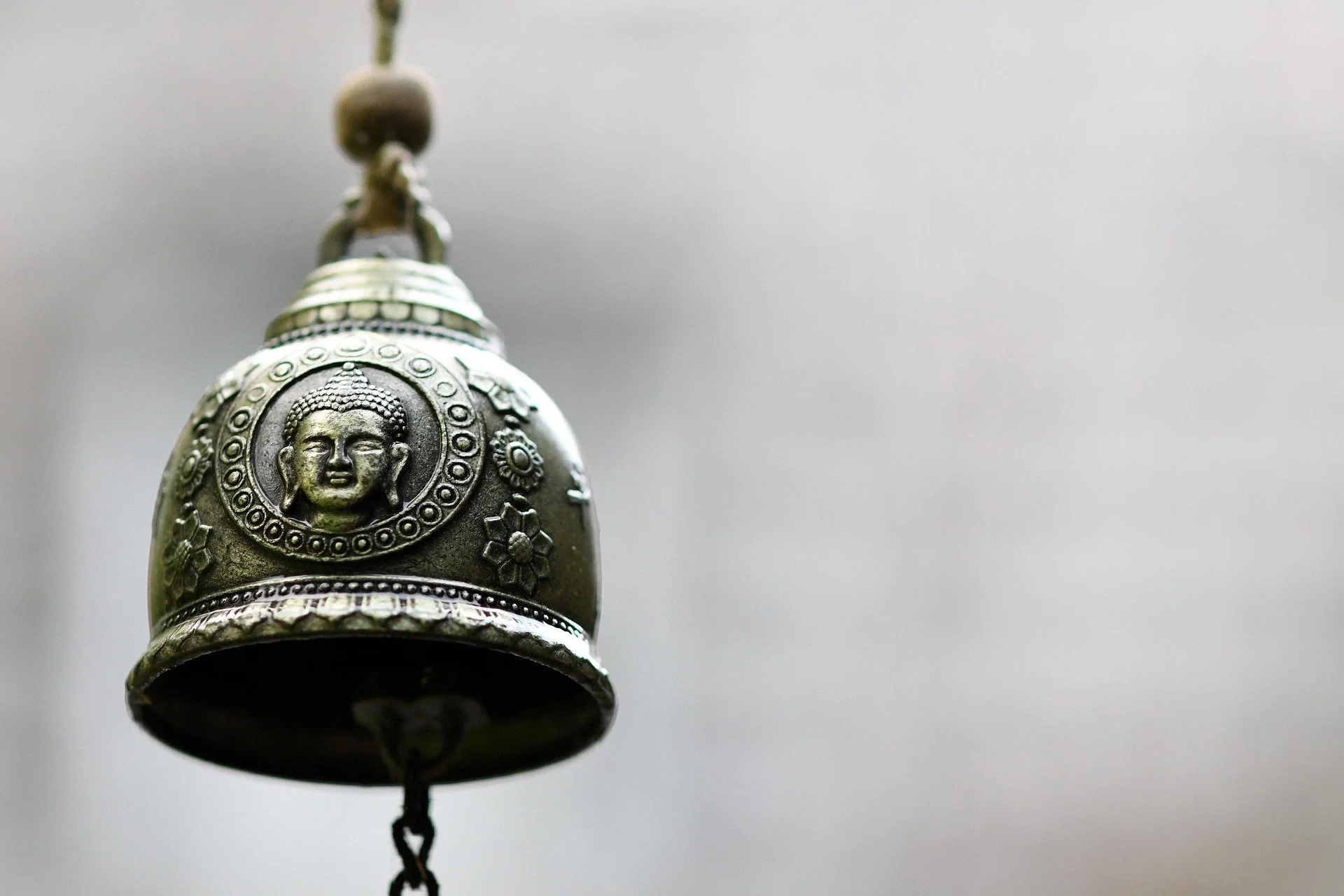
Things to Do After Meditation
In my dharma mentoring sessions, I often ask during the first session about one’s meditation routine. And almost every single time people tell me about when they meditate, what type of meditation they do, and for how long they meditate. But what we do before and after meditation is important as well.
I generally recommend some things to do after meditation, depending on the individual and their experience. Here are a few things you might consider and incorporate into your practice.
Recognize How You Feel
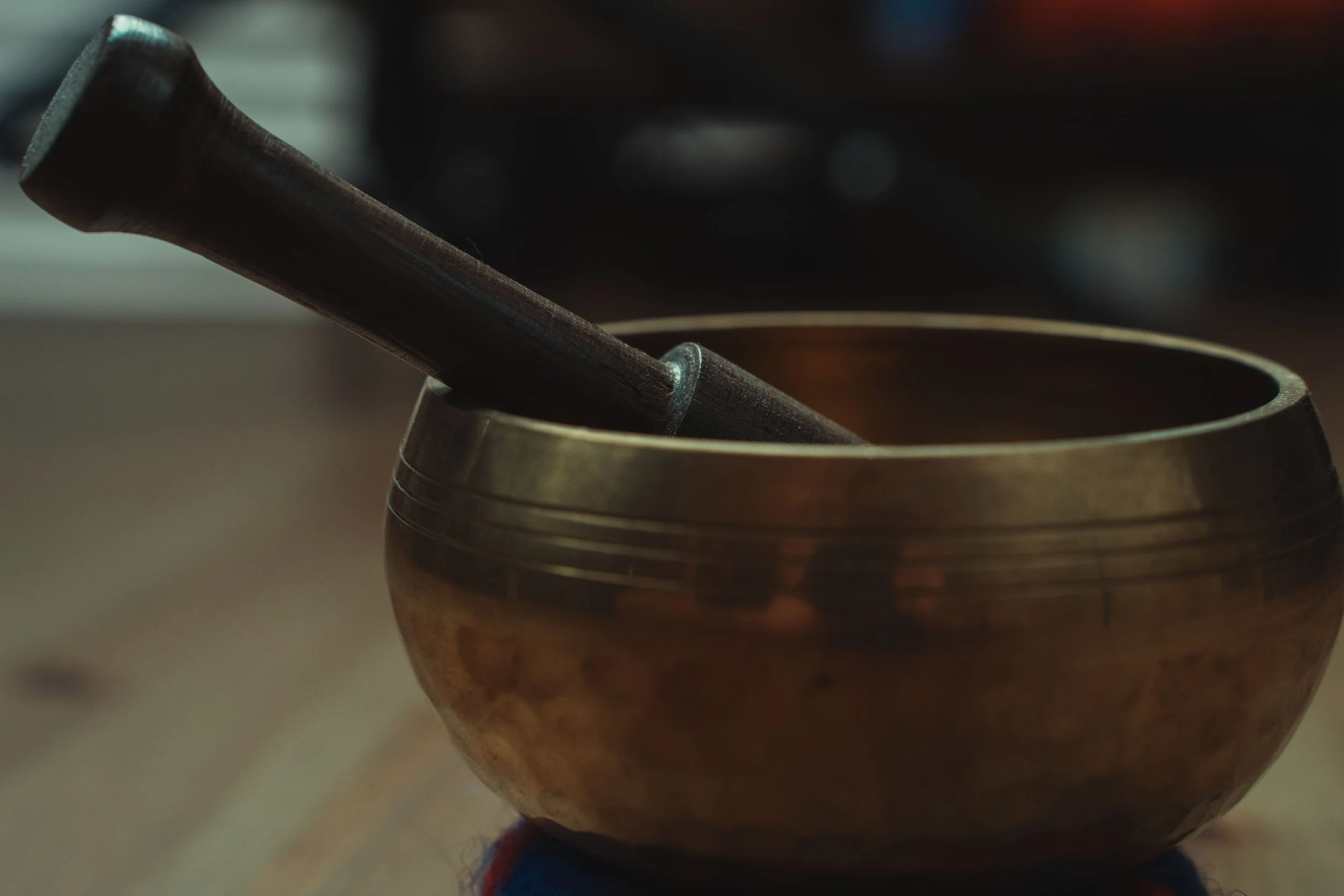
One of the first and simplest things you can do is pause to recognize how you feel. You don’t need a “right” answer. Be honest. Maybe you feel more anxious after meditating. Maybe the mind feels calm and collected. In these moments when the bell rings, you might also notice the mind shifting out of “meditation mode.”
Again, there is no right or correct answer. The point is to get to know the experience of the mind. Mindfulness helps us see the experience of the mind more clearly, and tuning in to how meditation impacts mental states is important.

Take a Moment to Reflect
In addition to simply checking in with how you feel, you might take a moment to really reflect on your session. What happened during your meditation? Was there anything really interesting? Did you experience boredom, curiosity, sleepiness, or insight? What stands out to you?
In meditation, attention moves with the flow of experience. After meditation, we might take just a minute or two to play the tape back. Without falling too deeply into overanalyzing, this short little time for reflection can give you new insights into your practice and the way the mind works.
Consider Journaling
On topic with reflecting and recognizing how you feel, you might actually put pen to paper and journal. To be transparent, this is how I do it! I actually have a little journal and a pen nearby. I don’t always write in it after sitting meditation, but I keep it there as an option. I also don’t go back and read what I wrote. I simply find the writing to be a good way to get my thoughts/feelings down.
If you want some prompts and ideas, you might check out this page with some mindfulness journal prompts. I also have self-compassion journal prompts that may be useful if there is some pain or difficulty in your meditation. I recommend just picking one or two, and spending a few minutes. Don’t overdo it.

Don’t Judge Your Meditation Session
Whatever you do after your session, don’t judge it. In mindfulness coaching sessions, students consistently tell me their meditation was “good” or “bad.” These are not useful terms. Even difficult sessions with tons of distraction are still good! We can learn about how the mind works in these moments, the natural resistance that arises, and what leads to distraction or collection.
Open Your Awareness Slowly
When the bell rings or your sitting period is over, don’t flood the senses. If you were focusing on the breath or one object, this is especially true. You might start by opening your awareness to other sensations in the body, then opening to sounds, and then opening your eyes. Doing this all at once can be overwhelming or make awareness disappear.
If you’re doing an open awareness meditation, use the bell as a change in your practice, not the end. The bell is not the end of your practice. It’s the opening of the eyes and moving of the body part of your practice! As you return to daily life, do so cautiously and with care. Keep the awareness steady without clinging to it.
Be Mindful of Movement
Much as opening the eyes is often a change in experience, so is moving the body. Be mindful of how it feels to move off the cushion or chair. As you engage the muscles and move the body, use it as a form of moving meditation. What does it feel like in the mind and body to move in this way?
One practice I find deeply helpful is that of walking meditation. As we practice formal walking meditation, we train the mind to be present with the experience of walking. This period of getting up from meditation and moving the body becomes more naturally mindful. You also might consider slowing down. It’s a great way to be more mindful in the body.
Below is guided walking meditation from my Mindfulness for Beginners playlist. You might try this a few times to help cultivate mindfulness of the body while moving. I also have an introduction to the practice and explanation here.
Bring Awareness to the Next Activity
After meditation, we all do something. Maybe we go for a walk, go to work, or make our morning coffee. Instead of multitasking, do this activity wholeheartedly. Treat it as a part of your practice. I often ask my students to use their first activity after meditation as part of the practice. Then I quiz them about the experience in the next session!
If you’re sitting down to eat, practice mindful eating. If you’re sitting down to work, watch the mind as it turns on “work mode.” If you talk to someone, be mindful of others. Again, don’t cling to how mindfulness looked in meditation; it will naturally be a different experience. But keep the awareness rolling!
Notice the Dissipation of Awareness
Obviously meditation gives us a different mental experience than daily life, unless perhaps we’re on retreat or a monastic. It’s natural that awareness dissipates or changes. Rather than resisting this, we can actually watch it. It’s quite interesting to notice. Can we see the weakening of mindfulness as we return to daily life? I encourage you to investigate this for yourself.
Watch for Clinging
On a similar note, watch out for clinging and attachment. After all, the Buddha taught that attachment is the root of all suffering. Clinging to the calm, ease, or mindfulness of meditation only causes dissatisfaction. If clinging does arise, tune into it. It’s a natural response to pleasant states. Observe it, get to know it, and be interested.

The Real Practice Begins
Meditation offers us the opportunity to see things clearly. With training, we grow to have deep insights and cultivate a wise view of experience. But we don’t spend all day on the cushion. The real practice for us laypeople is in how we meet the world and practice mindfulness in everyday life.
If you’re interested in bringing awareness to everyday life, I recommend joining us sometime for our Living With Awareness group. This is a donation-based class every Friday morning based on the teachings of Sayadaw U Tejaniya. We focus on Tejaniya’s teachings of awareness and how we can practice off the cushion and in everyday life.
More Posts

Matthew Sockolov is a Buddhist meditation teacher who trained at Spirit Rock Meditation Center in Woodacre, California. Completing the Dharma Leader training program in 2017, Matthew was given power to teach in the Insight Meditation tradition by Jack Kornfield, Kittisaro, Thanissara, and others. You can learn more about Matthew here.