How Often Should You Meditate as a Beginner?
Many new students ask me some form of this question, and I think it’s a solid question. Knowing how often to meditate is right up there with knowing how long to meditate. These two pieces of information help us understand how to practice.
Before diving into it, I want to mention that this is general information. What works for you may not be perfect for someone else. I am offering suggestions based on my experience as a meditator and a teacher, but feel free to investigate what works for you!
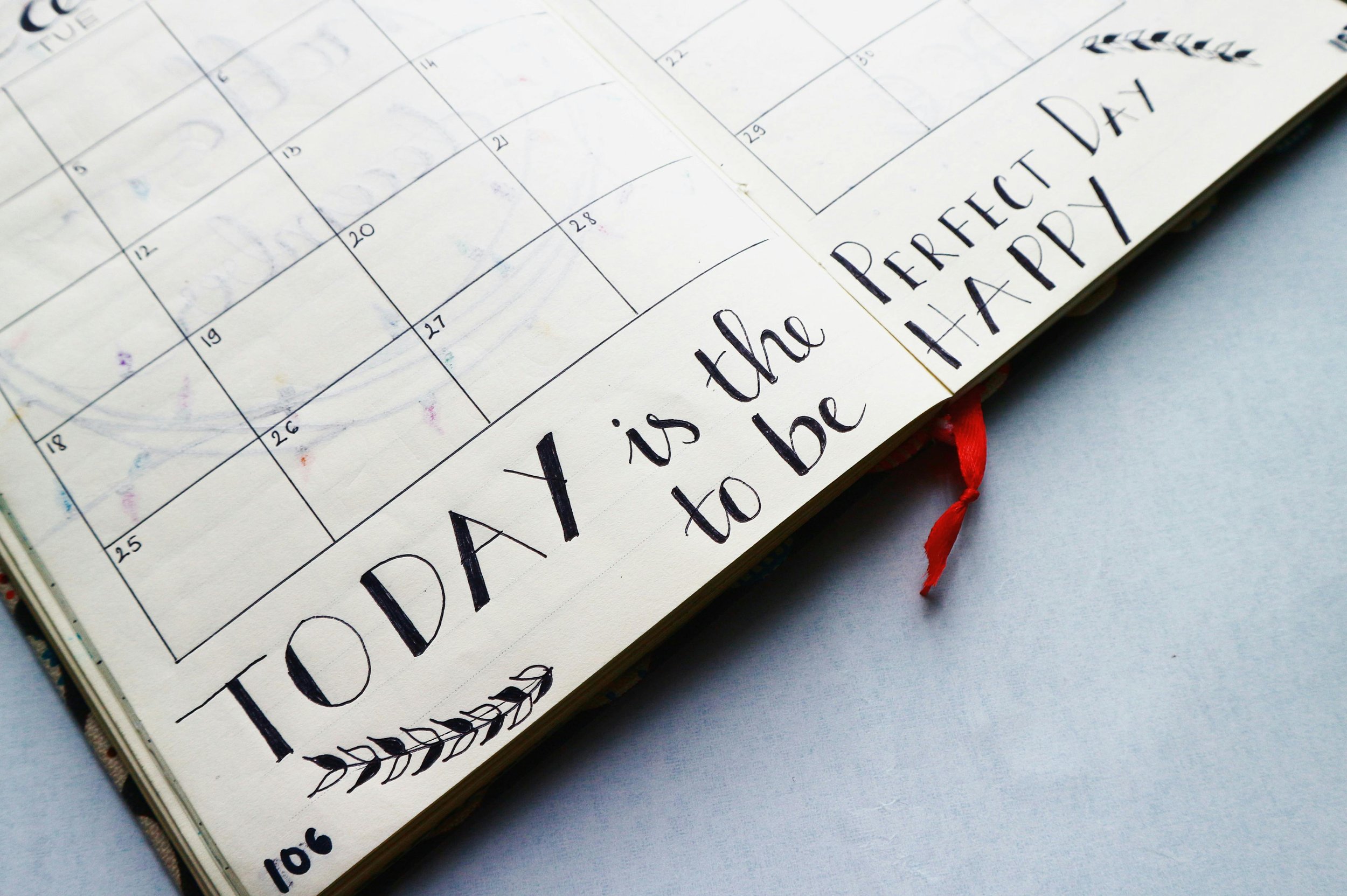
How Often to Meditate
I’m constantly recommending the same thing: meditate every day! Consistency is important when it comes to building any new habit, including meditation. Especially as a beginner, regular meditation is helpful.
As I cover in my post For How Long Should Beginners Meditate?, there is plenty of research to back this up. Regular meditation produces stronger and more lasting effects. In fact, frequency of meditation is actually a better predictor of positive effects than length of meditation!
In my opinion, consistency should be the priority, not length. Sitting at least once a day will help you investigate meditation and mindfulness more thoroughly than doing a long sit once a week. If you can meditate for a few minutes in the morning and at night, even better.
If you are struggling to meditate every day, head to the bottom of this post to find some tips about creating a consistent meditation practice or check out my post How to Find the Time to Meditate.
How Long to Meditate
As for the time of meditation for a beginner, I want to again stress the importance of consistency. You should meditate for however long works for you to build consistency. I know that’s not a clear answer perhaps, but we cannot look at length without considering frequency. You might start with some two minute mindfulness practices as your entry point.
In general, I recommend starting with just five to ten minutes for people really new to meditation. This way, you can begin to get a taste of meditation practice without overwhelming yourself. If you find yourself doubting this, know that a 2015 study found just five minutes to be sufficient to produce anti-anxiety and destressing effects.

When to Meditate
I want to make two points here. First, morning is definitely a better time to meditate if you want to build a new habit. Research supports this both in general and specifically in meditation. For more information and to read the research, check out my post Should I Meditate in the Morning or at Night? If you can, make morning meditation your priority.
On the other hand, you should meditate when you can. Yes, morning seems to be slightly better when it comes to actually building a regular habit. But you should meditate when it works for you. If morning is just too hectic, try another time. There may be a best time to meditate in general, but there’s no bad time to meditate!
Creating a Consistent Meditation Practice
Here I’ll include a few basic tips that I think are most important to keep in mind. You can find more tips for building a regular practice, some techniques for beginners, and answers to common questions in my post How to Start a Daily Meditation Practice: Tips and Guidance for Beginners.
The most important tip I can offer is to create a routine. Meditate in the same place, at the same time, with the same practice every day. This helps build continuity in your practice and the new habit in your brain. I understand this can be hard, but do your best.
My other big suggestion is to use guidance or structure. Sometimes we aren’t perfectly clear about what we should be doing and you may wonder if you are meditating correctly. Guidance and structure can help with this! Find some guided meditations or a program like my free Intro to Mindfulness Course to have direction with your practice.
If you want support in building a practice and don’t know where to begin, you can always reach out to me and I’m happy to support!
More Posts



Matthew Sockolov is a Buddhist meditation teacher who trained at Spirit Rock Meditation Center in Woodacre, California. Completing the Dharma Leader training program in 2017, Matthew was given power to teach in the Insight Meditation tradition by Jack Kornfield, Kittisaro, Thanissara, and others. You can learn more about Matthew here.