Can You Meditate Lying Down? The Benefits and Risks
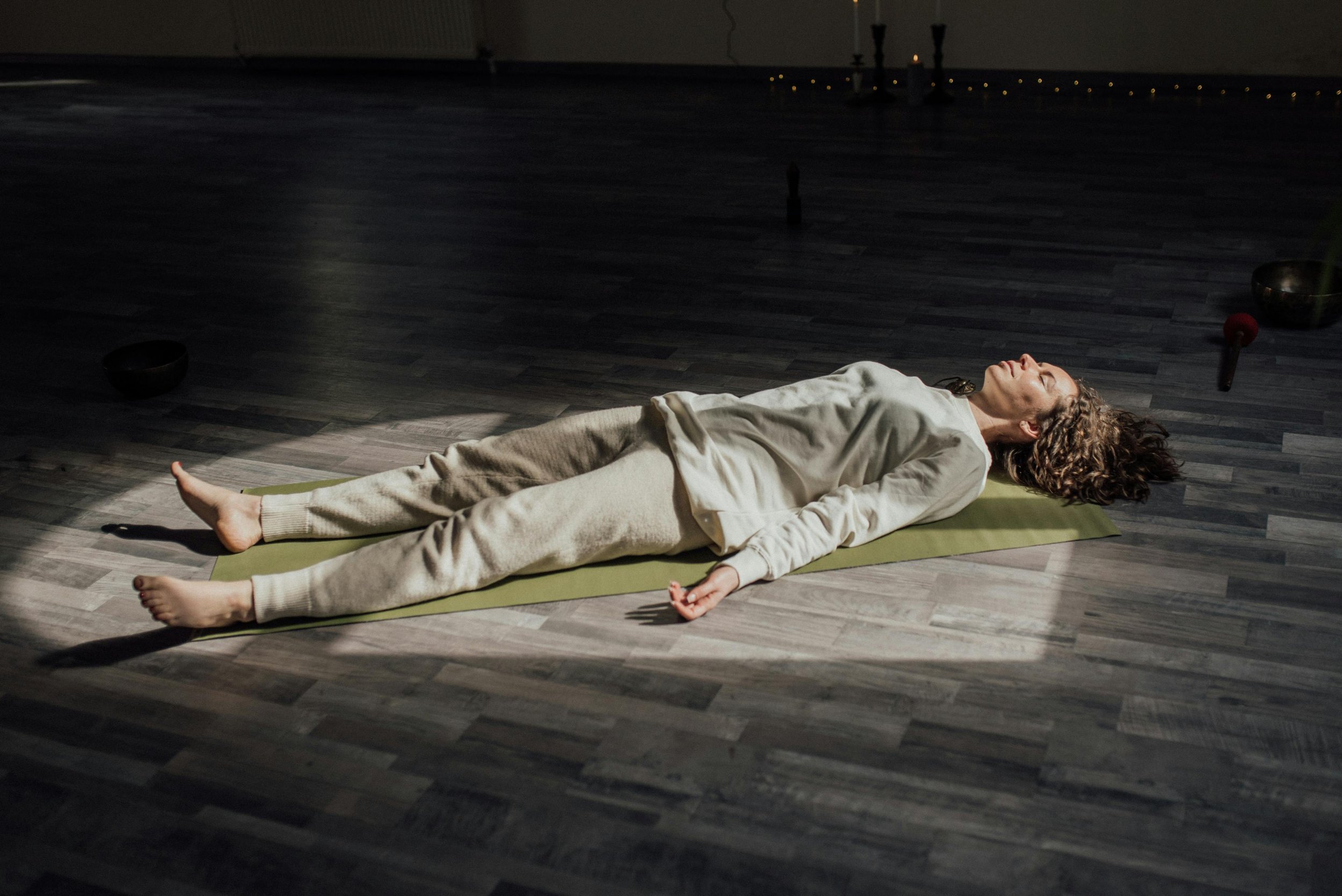
When you think of somebody meditating, you probably think of them sitting cross-legged or in the full lotus posture. Although seated is generally the posture we use for meditation, you truly can meditate in any position. This includes lying down.
I’ll cover why you might consider meditating lying down, what the drawbacks may be, and when it may be most useful. I’ll also offer some tips for staying awake while meditating lying down as well.
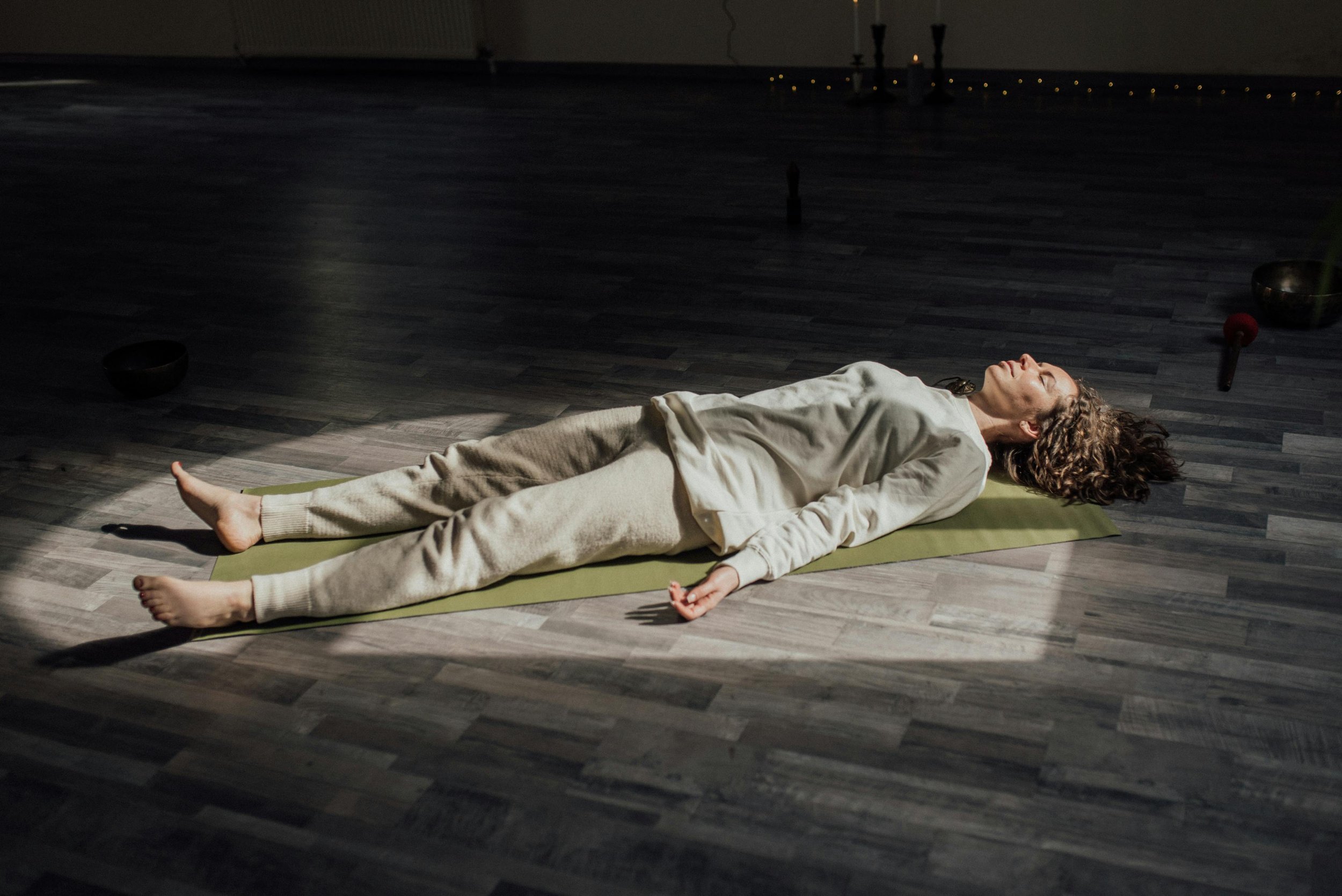
Is it Okay to Mediate Lying Down?
To answer the question simply, yes. It is totally okay to meditate lying down. In the Buddhist teaching on establishing mindfulness (the Satipatthana Sutta), the Buddha specifically names lying down as one of the postures we should bring mindfulness to. Furthermore, meditating while lying down can actually be beneficial for some practices.
Although we tend toward seated meditation in general, you don’t have to sit any specific way to meditate. I cover this more in my post Do You Have to Sit Cross-Legged to Meditate? For those looking to invite in relaxation, get better sleep, or work with the body, periods of lying down can be quite supportive.
The Benefits of Meditating Lying Down
Although lying down may not work for everyone and with every practice, there are a few potential benefits offered by meditating lying down. One of my best meditation tips for beginners is to find a way to practice that is comfortable and sustainable for you. For some, lying down is part of this.
Relaxation
If relaxation is your goal with your meditation practice, practicing while lying down may be the way to go. Whether you’ve had a stressful day, are tired, or dealing with burnout, a period of practice lying down can help invite in the relaxation you’re looking for. It can also be useful in heart practices like self-compassion or loving-kindness.
Accessibility
For those new to meditation and trying to start a daily meditation practice, being flexible with the posture can make practice more accessible. Giving yourself some wiggle room to practice in a way that works for you can make it easier to actually meditate. In my opinion, finding a way to practice consistently is much more important than adhering to some perceived rule about the perfect posture.
Body-Based Practiced
For body-based practices, a relaxed posture like lying down may help you connect with the body more easily. Practices like body scan meditations go great with lying down, especially if you want to relax the body specifically. Especially if you have pain or discomfort in the body while meditating, lying down can offer some relief.
Sleep and Insomnia
For people looking to use meditation as a way to help sleep problems, meditating while lying down at night can help promote relaxation. It can also be helpful if you have racing thoughts or anxiety at night, as relaxing the body can help calm the nervous system and relax the mind as well.

Risks and Potential Issues
There’s a reason we often meditate in a seated posture. It generally is the most conducive to cultivating mindfulness with the appropriate amount of alertness and energy. Meditating while lying down does have some potential downsides worth mentioning.
Falling Asleep
This may be an upside or downside, depending on your goals. For many people, meditating while lying down causes substantial sleepiness. If you find yourself falling asleep or nodding off during meditation without intending to, I recommend steering clear of trying to practice while lying down.
Less Alertness and Mindfulness
Mindfulness requires some quality of alertness. Lying down can hinder this alertness and cause some lethargy in the mind. Think of this as the precursor to falling asleep. When the mind becomes tired or less alert like this, it can hinder our progress with mindfulness and awareness.
Passive Attention
Lying down can promote a more passive attention. For goals like getting some rest or sleep, this is great. But for developing insight, this passive attention lacks the sharpness we need. It’s naturally less engaging, and we may not see quite as clearly as we do during sitting or walking meditation.
Choosing Between Lying Down and Sitting Meditation
When it comes to choosing the right meditation posture for your practice, you might benefit from considering a couple of things. I can’t say if meditating lying down is right for you or not, but you can use these thoughts below to help yourself make an informed decision.
Desired Outcomes
Consider what you want out of your meditation practice in this moment. If you want to build focus through concentration meditation, seated is probably better. If you want to relax and let go of the tension and stress of the day, lying down may be the right choice. Consider your intention when making your decision.
Patterns During Meditation
Recognize any patterns you have during meditation when deciding if you should meditate lying down. Do you tend toward over-efforting? Are you hoping to work with overthinking? Lying down may be the most conducive posture. If you tend more toward sleepiness or laziness and lack of attention, lying down perhaps may make these problems stronger.
Physical Pain or Discomfort
If sitting gives you physical pain, consider meditating lying down! I have had many students over the years with chronic or acute pain who find seated meditation to be very uncomfortable. This discomfort can be a part of our practice, but also can get in the way of practice. If lying down is how you feel comfortable and at ease, listen to your body!
Fatigue
You also might consider how tired you are in this moment. If you are really tired and meditating at the end of the day, meditating lying down may increase your chances of falling asleep. If you have a lot of energy right now, lying down may help you settle the energy.

Tips for Staying Awake
For many who want to meditate lying down, it can be difficult to stay awake. You might meditate lying down to take care of your body or promote relaxation but don’t want to fully fall asleep. Here are a few tips that will help you with this.
Be Sharp
If you want to avoid falling asleep during any period of meditation, it can be helpful to keep your attention sharp. What I mean by this is to focus on specific things rather than doing an open awareness practice. If you are doing a more open practice, use noting or labeling to keep the awareness engaged and away from a more passive attention.
Avoid Too Much Coziness
Lying down is often fine, but if we get too cozy we might encourage sleep. Leave the comfortable blankets and pillows, and try not to get too comfortable. Obviously you don’t want to manufacture discomfort, but if you create too much comfort you may be more likely to fall asleep.
Open the Eyes
Many people don’t consider this, but you actually can meditate with your eyes open. It’s one of the best little tricks for staying awake during meditation. Opening your eyes and leaving them at a soft, unfocused gaze can let in some light and keep us from falling asleep. This extra little bit of stimulation goes a long way in promoting alertness.
Keep Sessions Short
Finally, you might consider shortening your sessions if you’re falling asleep during meditation. For many who practice while lying down, sleep does not come immediately. It takes a few minutes for the mind and body to truly settle and begin drifting off. Try shorter meditation sessions to see if it keeps you awake!
More Posts



Matthew Sockolov is a Buddhist meditation teacher who trained at Spirit Rock Meditation Center in Woodacre, California. Completing the Dharma Leader training program in 2017, Matthew was given power to teach in the Insight Meditation tradition by Jack Kornfield, Kittisaro, Thanissara, and others. You can learn more about Matthew here.