How to Find the Time to Meditate
It can be hard to find the time to meditate. That’s the simple truth. With our chaotic schedules and the limited amount of energy we have, finding the time to meditate is tough.
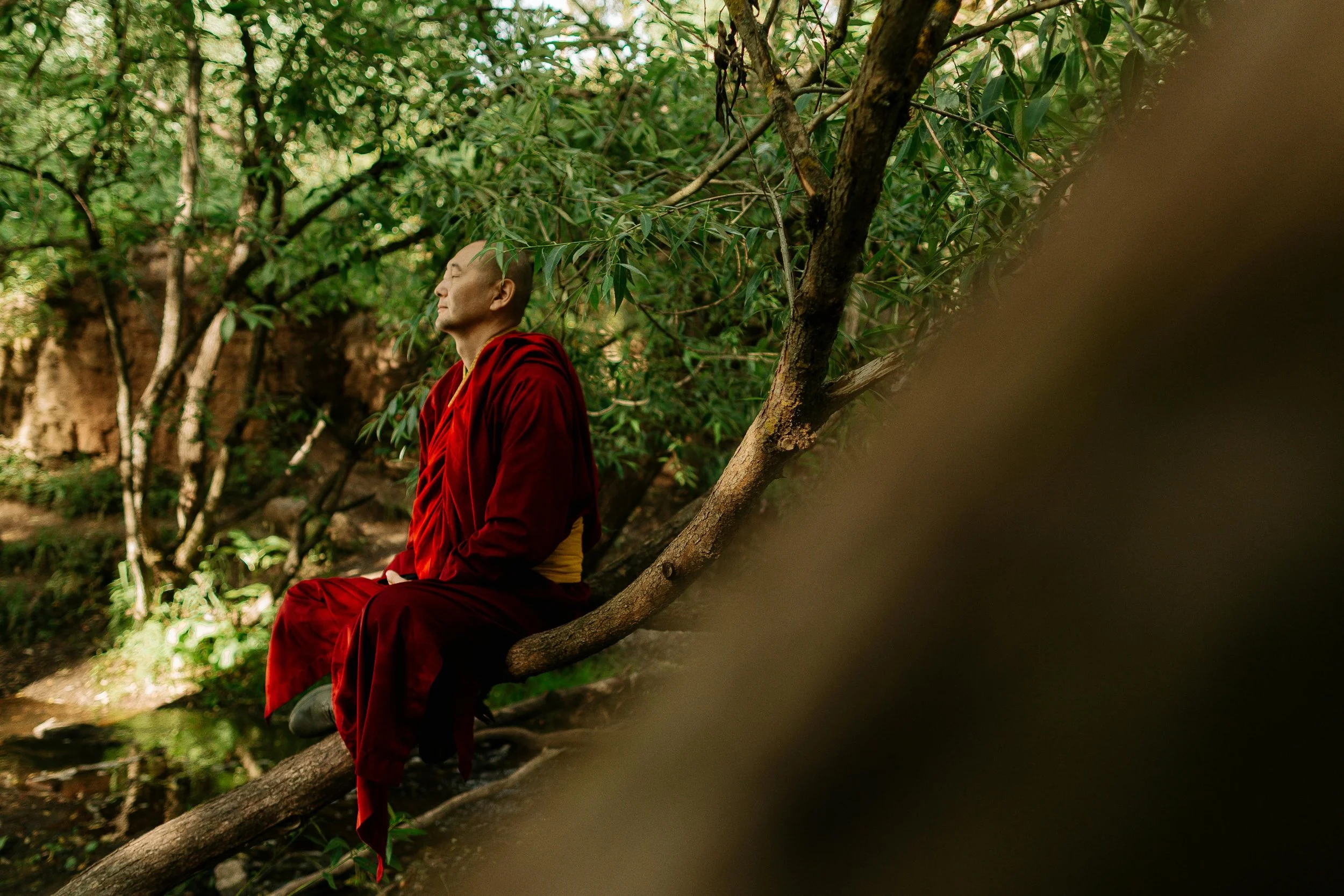
Finding the Time to Meditate
I’ve worked with countless people over the years who struggle to find the time to meditate, and I’ve struggled myself in certain times. I hope with this post to offer some useful tips and ways to find the time to meditate. Take whatever is useful for you!
Set a Schedule
It may not be news to you that doing something at a regular time during the day may help build habits more easily. A 2024 meta-analysis of twenty studies looked at habit-building around health (drinking water, flossing, stretching, etc.), and found that those who participated at the same time every day were quicker to build new habits.
Obviously you don’t need to sit in meditation at 9:02 exactly every single morning for this to be effective. It might be a general time, such as before breakfast or after signing off of work for the day. It’s up to you to investigate a time that works for you regularly.
I’ll talk in a bit about the best time of day, but I think having a schedule takes priority. If we have meditation baked into our routine daily, we won’t need to find the time to meditate. If you try setting a schedule and it doesn’t work, re-assess and see if another time might work better.
Start Small
I talk about this more in my post For How Long Should Beginners Meditate?, but research has found that meditation can be beneficial with as little as five minutes a day. If you can fit in ten minutes or fifteen, great. But don’t shy away from short sitting periods.
You don’t need to find a half hour to set aside for meditation. If you’re struggling to find the time for meditation, try shortening your meditation periods. Most of us can set aside five minutes a day, right? By shortening your periods, you can build consistency. Check out this page for some two minute meditations and practices.
Pick the Right Time
Only you know the right time for you. But as I discuss in my post Should I Meditate in the Morning or at Night?, morning meditators have the slight advantage when it comes to building the habit. If you can, meditate in the morning for the best outcomes when it comes to consistency.
However, the morning isn’t right for everyone. Find the time that works for you. If you find yourself sleepy during meditation, try avoiding practice after meals or right before bed. If you have an active or anxious mind, morning meditations can be useful as the mind isn’t yet full of thoughts.
Make it an investigation. Don’t go with what someone else says just because they seem confident. Make it a mindfulness practice. When works well for you, and why?
Make Meditation a Priority
This isn’t quite as concrete as the other tips here, but it is worth considering. I find that when meditation is a priority in my life, I make it happen. When I’m not meditating regularly, it’s often because it just isn’t a priority. So, how do we make this happen?
I suggest connecting with your intentions. You don’t need to set intentions or create new ones. Connect with the reason you want to meditate in the first place. There must be something pulling you toward this practice. By connecting with it, we remind ourselves of the importance of meditation and can make it a higher priority.
Consistency Beats Duration
I covered this more in-depth in my post How Often Should You Meditate as a Beginner? Research clearly suggests that consistency is more important than duration when it comes to meditation practice. I have found the same for myself and my students. Five minutes a day is often better for us than ten minutes every other day.
Remember that you don’t need to meditate for a half hour every time. Prioritize consistency. In addition to bringing the benefits of meditation, it will make it easier to build the habit. Once the habit is built, it becomes easier and easier to find the time to meditate.

More Posts



Matthew Sockolov is a Buddhist meditation teacher who trained at Spirit Rock Meditation Center in Woodacre, California. Completing the Dharma Leader training program in 2017, Matthew was given power to teach in the Insight Meditation tradition by Jack Kornfield, Kittisaro, Thanissara, and others. You can learn more about Matthew here.