Ten Must-Read Mindfulness Books for Your Practice
If you’re a listener to the podcast, you know I’m constantly reading books about meditation and mindfulness. Whether you’re completely new to meditation or looking to deepen your practice, I’ve put together this list of my favorite books about mindfulness. Some are more introductory, while others dive more deeply into ancient Buddhist teachings on mindfulness.
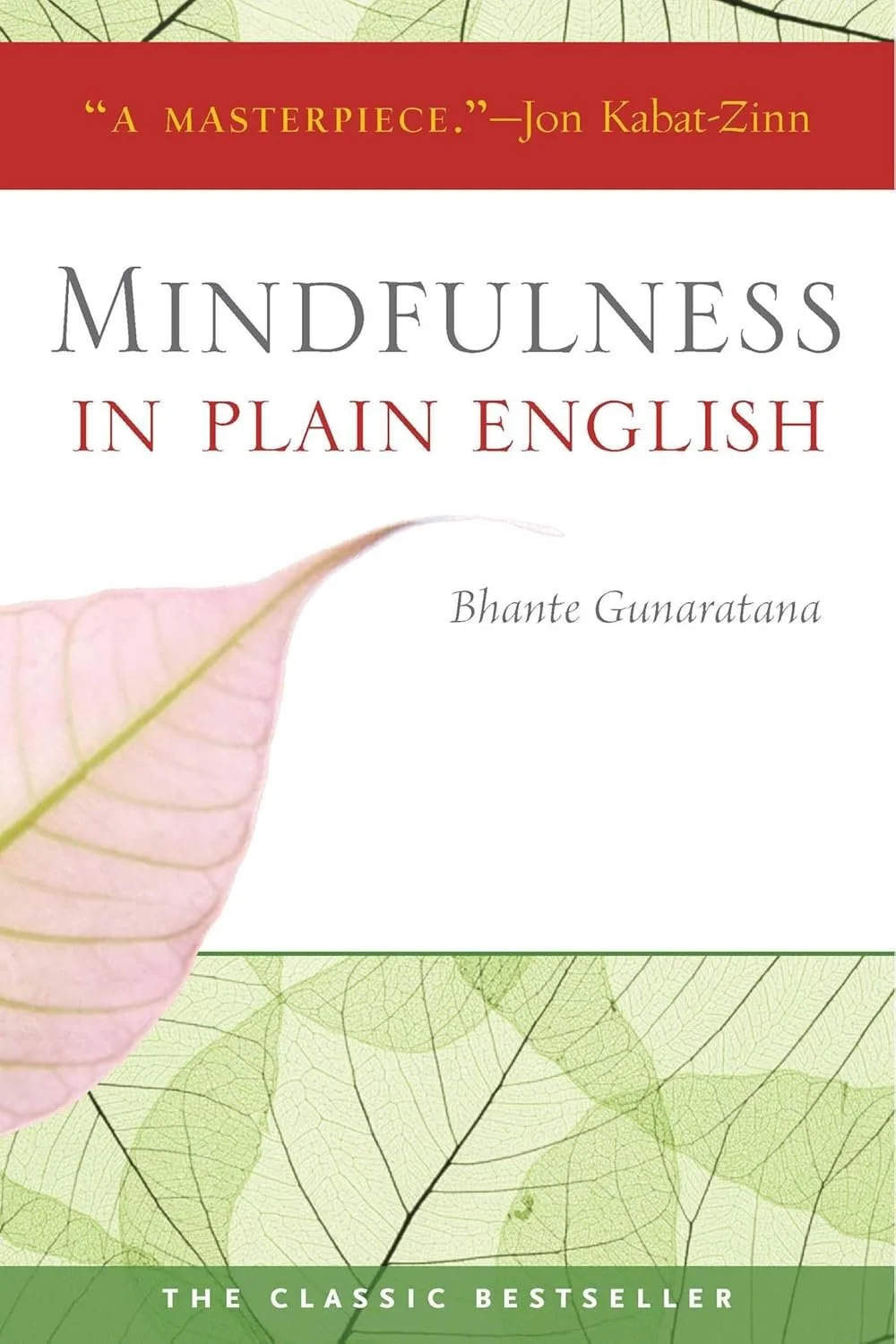
Mindfulness in Plain English
One of the bestselling books on mindfulness, Mindfulness in Plain English by Bhante Gunaratana is a guide to insight (vipassana) meditation. It covers what mindfulness actually is, how it is beneficial, and how to start your own mindfulness practice. In my opinion, this book is a must-read for those new to mindfulness.
Bhante Gunaratana offers one of the best thorough introductions to mindfulness here in my opinion. The book addresses common issues like distraction, boredom, and thoughts. It also defines mindfulness very clearly, and offers practical instructions to actually meditate.
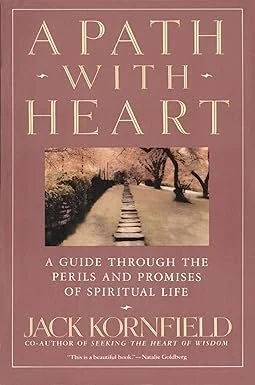
A Path with Heart
This book holds a special place in my heart, as it was one of the first books on meditation and mindfulness that really landed for me. A Path with Heart is perhaps Jack Kornfield’s most well-known book. It isn’t quite as pragmatic with clear instructions as some of the other books on this list.
Instead, Jack uses his experience as a monk and his unrivaled storytelling ability to describe the whole of the spiritual path. In my opinion, the central theme here is that mindfulness is about meeting life’s joys and difficulties with an open heart. Rather than focusing on bliss, the book focuses on facing life with presence and kindness.
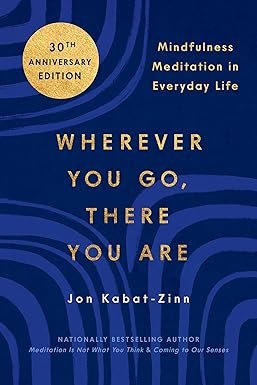
Wherever You Go, There You Are
Wherever You Go, There You Are is perhaps one of the most influential mindfulness books written in the English language. Jon Kabat-Zinn, founder of MBSR (Mindfulness-Based Stress Reduction), offers a more secular look at mindfulness in this book. This book carried a lot of weight in the transmission of mindfulness to a Western audience.
The book has relatively short chapters that discuss what mindfulness is, core mindfulness practices in meditation, and how to bring mindfulness into everyday activities. I think the reason this book is still as popular today as it was when it first came out is the remarkable accessibility. It’s pragmatic, realistic, and full of utterly doable practices.
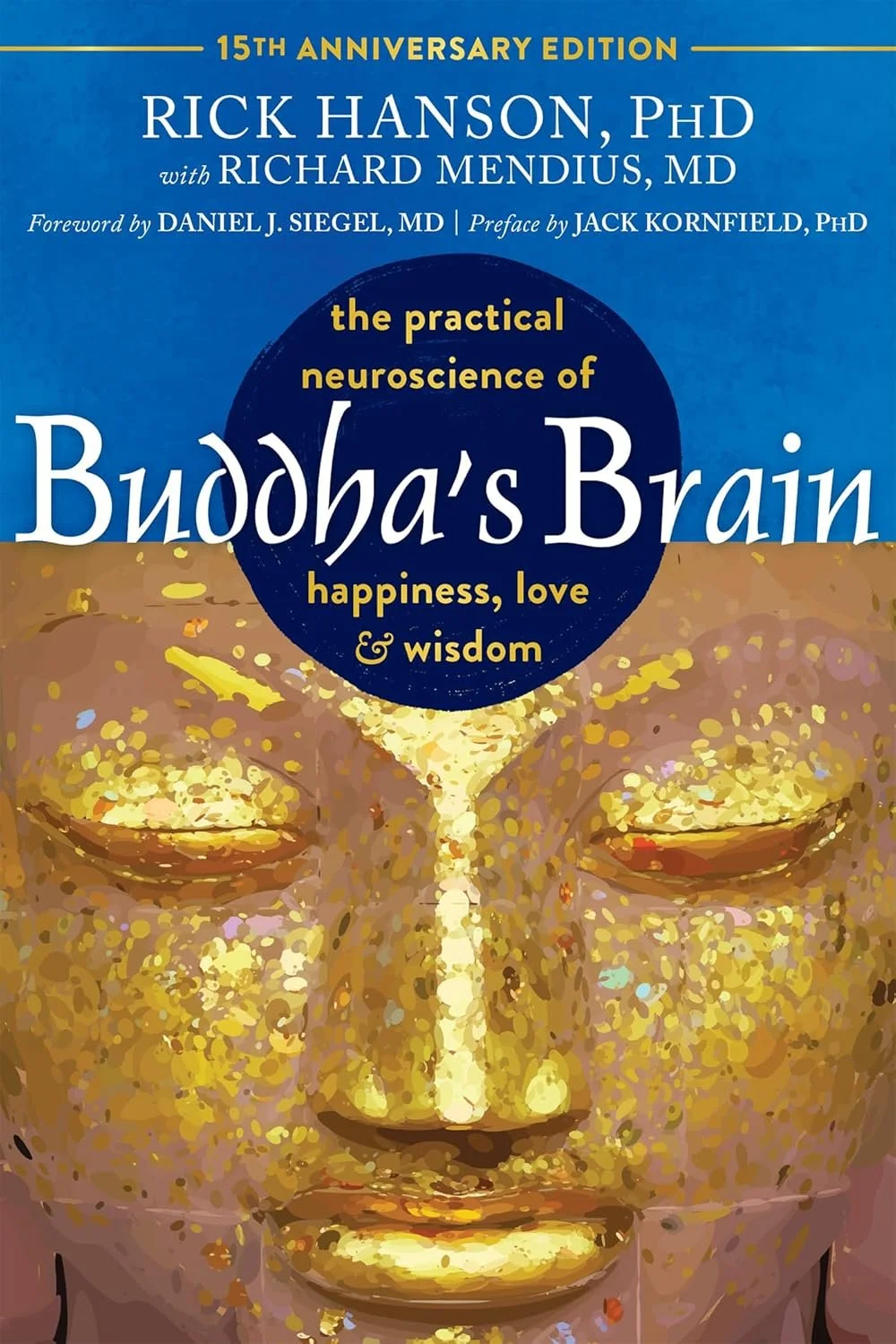
Buddha’s Brain
This book changes gears a bit from the other ones. Buddha’s Brain: The Practical Neuroscience of Happiness, Love and Wisdom is Dr. Rick Hanson’s first book. A clinical psychologist, Dr. Hanson offers a more modern look at mindfulness here. He investigates mindfulness through the lenses of neuroscience and psychology, gifting us a clear understanding of how meditation can quite literally reshape the brain and how it works.
The book focuses quite a bit on negativity bias, or the nervous system’s tendency to give more weight to unpleasant experiences. As such, the task at hand is to rewire the brain, take in the good, and form new habits that support our wellbeing. If you want an understanding of the science behind mindfulness, this book is the one to read!
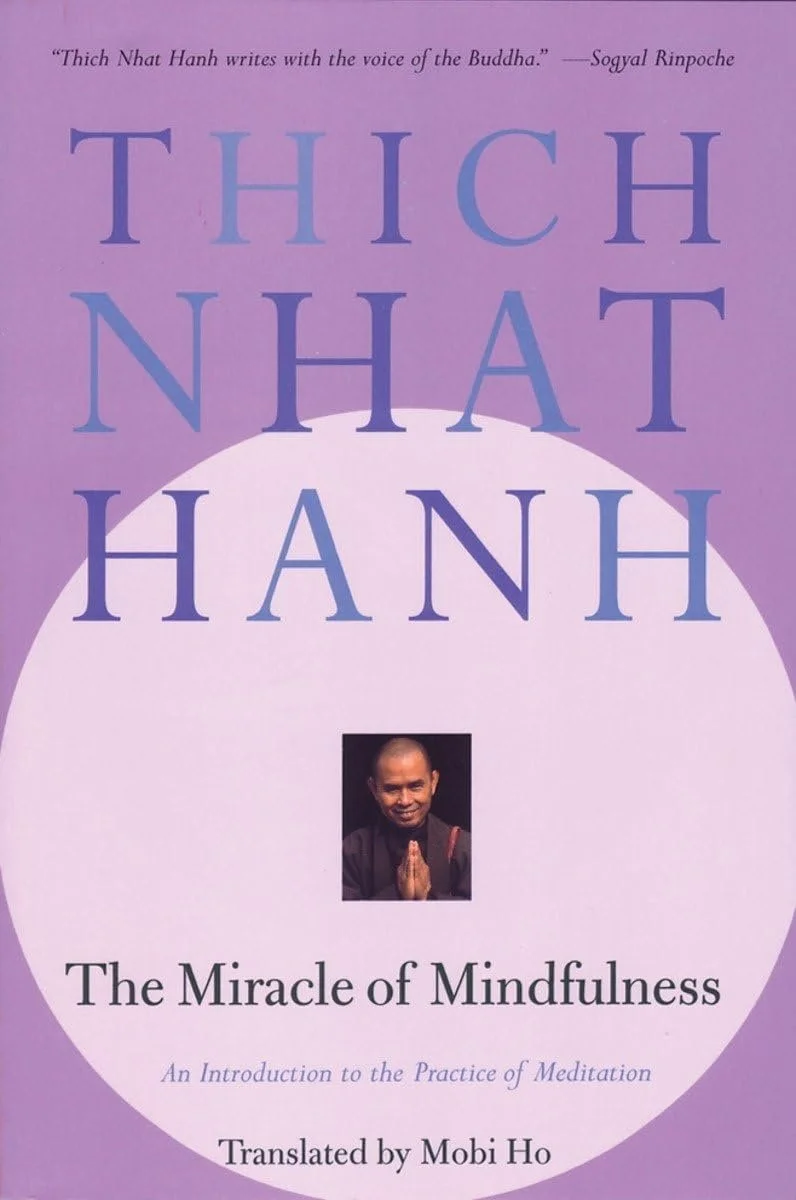
The Miracle of Mindfulness
The Miracle of Mindfulness by Thich Nhat Hanh is another hugely influential book. First released in the 1970’s, it introduced many people in English-speaking countries to the concept of mindfulness. It also holds a special place in my heart, as my dad gave me this book when I was about 13 years old. It was my own introduction to mindfulness too!
In a way only he can, Thich Nhat Hanh writes quite poetically about the practice of mindfulness. Although he does cover formal sitting meditation, he focuses more on living with mindfulness during our daily lives. It’s a great introduction (maybe the best) to learning to practice mindfulness in everyday life. It’s full of super-accessible methods and practices you can use to be present with whatever you’re doing.
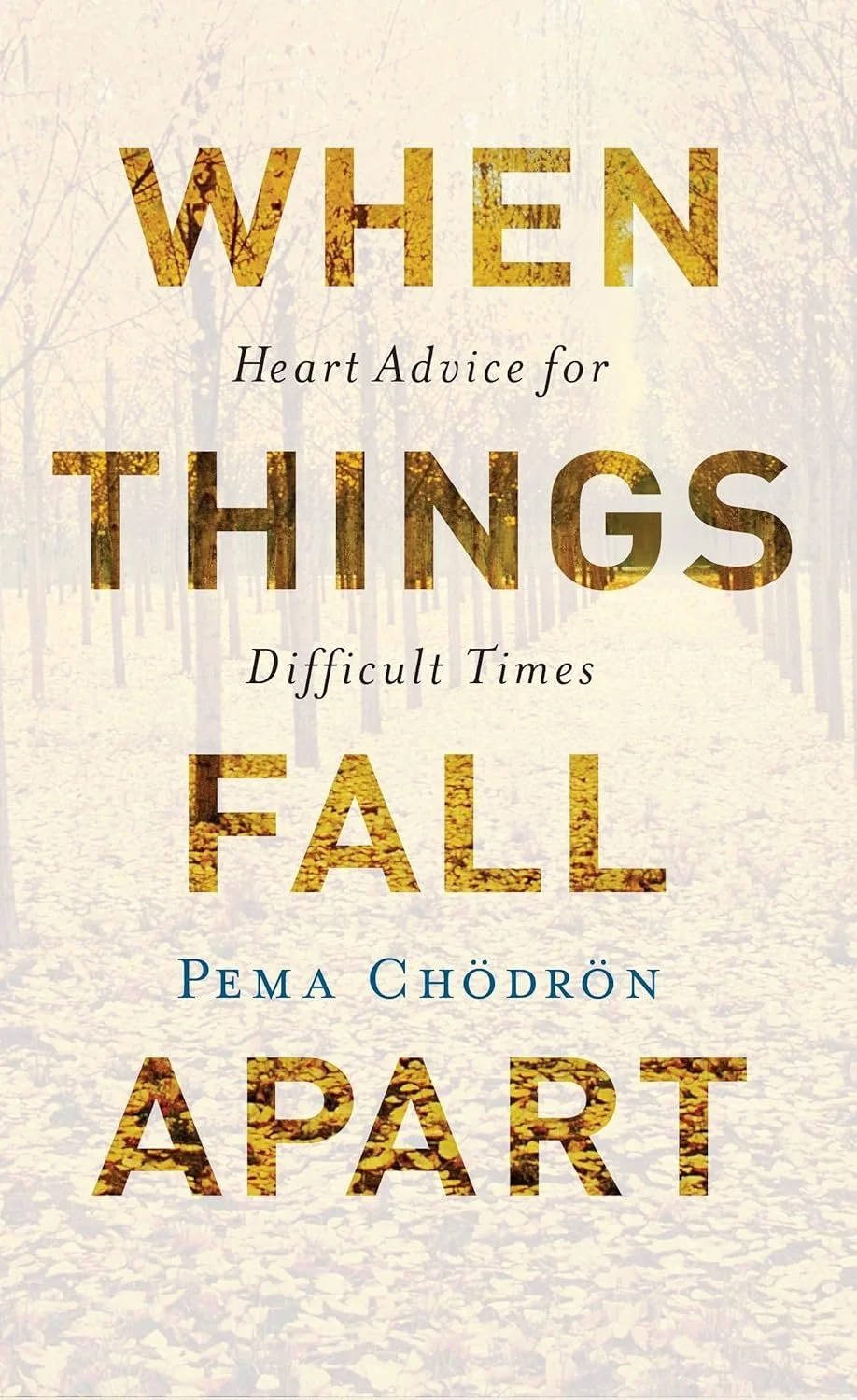
When Things Fall Apart
When Things Fall Apart: Heart Advice for Difficult Times is probably Pema Chödrön’s most beloved book. I first read it nearly fifteen years ago, and have returned to it several times in the years since. This isn’t a book that offers an introduction to mindfulness in the same way that some others on this list do, but it does have a specific focus.
The theme here is learning to work with difficult emotions and experiences with awareness and compassion. Rooted in the practice of mindfulness, Pema addresses working with anxiety and fear, letting go of the need for control, and how we can actually stay present with uncomfortable emotions. It’s a powerful book, especially for those times in our lives where uncomfortable emotions seem to be more plentiful.
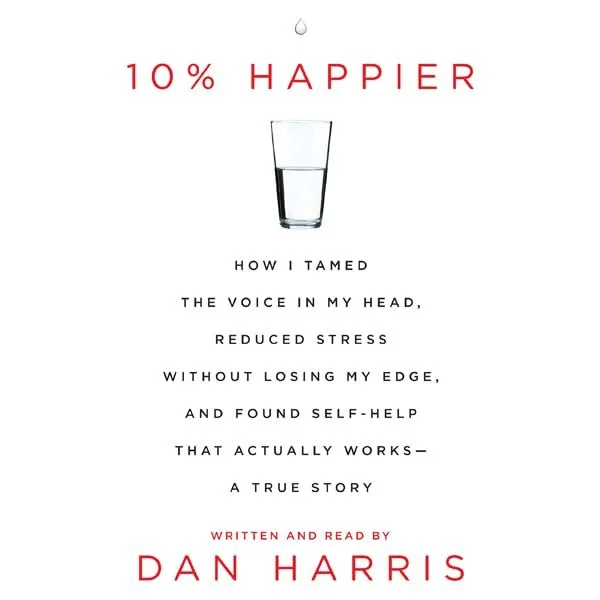
10% Happier
To be honest, I didn’t know who Dan Harris was before he wrote this book. I think 10% Happier is one of the most accessible and entertaining books when it comes to mindfulness. Dan isn’t a meditation teacher; he was the host of Nightline. Through personal stories (including about his panic attack on national television), a deep investigation of his skepticism, and clear explanations of neuroscience, Dan shares his journey and practice over the years.
It’s a great book that is almost never dry. It’s interesting, personal, and pragmatic. He manages to cover the science behind meditation, his personal story, and actual mindfulness practices in a way that is fluid and entertaining. It’s a great read for those new to meditation, people who want to bring mindfulness to their busy professional life, or anyone who finds many meditation books boring or dry.
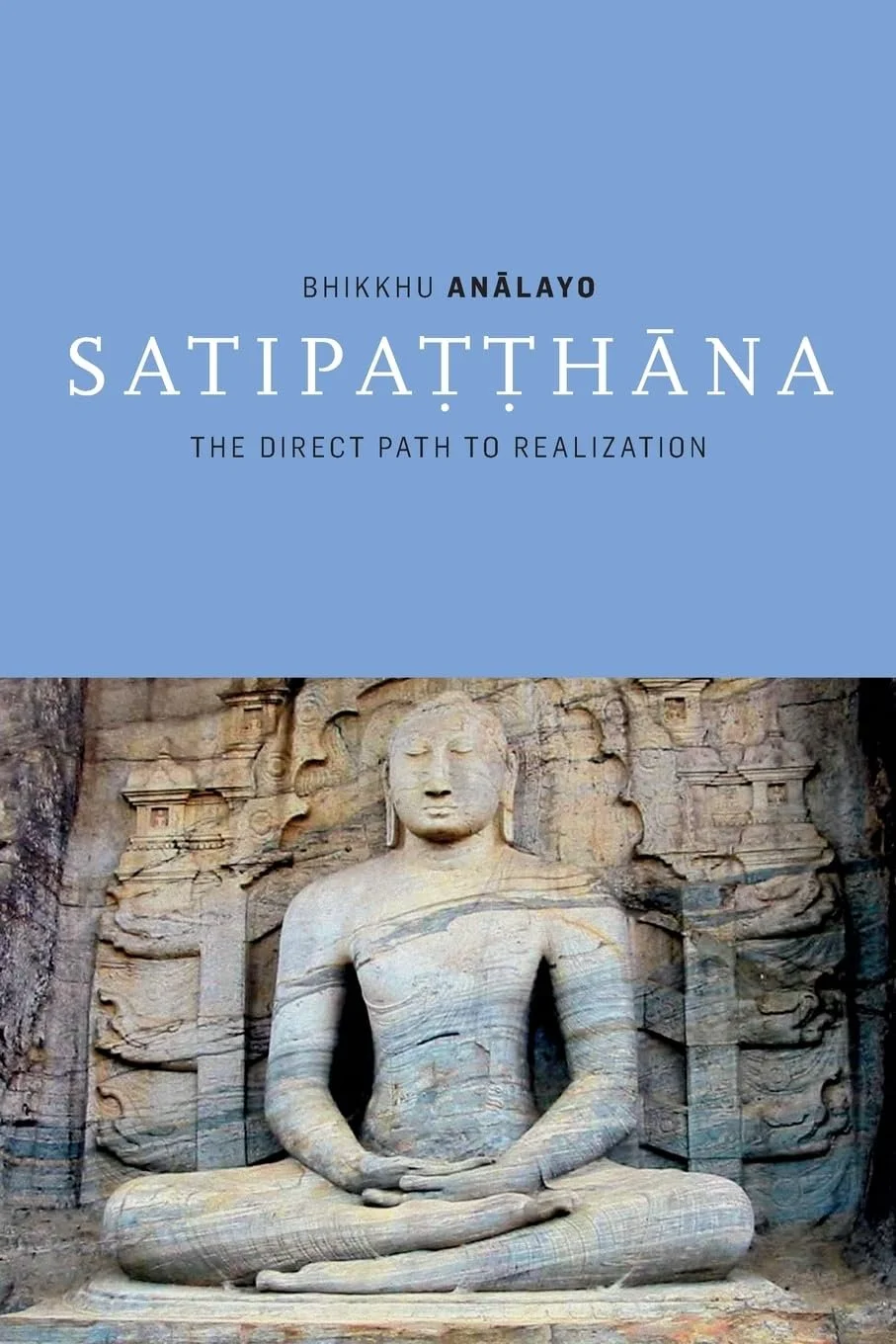
Satipatthana: The Direct Path to Realization
This book is dense. Dense enough that my first sentence about it is that it is dense. It’s not as entertaining perhaps as 10% Happier, but it has a depth to it that is unmatched. Satipatthana: The Direct Path to Realization is Bhikkhu Analayo’s book covering the Buddha’s teachings on mindfulness. If you’re interested in starting to practice Buddhism and want a Buddhist understanding of mindfulness, this is the holy grail in my opinion.
The book was originally his PhD thesis on the Satipatthana. After writing, he edited it and published it as this book. The book covers the Buddha’s actual teachings on what mindfulness is (and isn’t), how to cultivate it, and what the Buddhist teachings say about the topic. It’s dense, but in my opinion offers the most thorough understanding of mindfulness that a book has to offer.
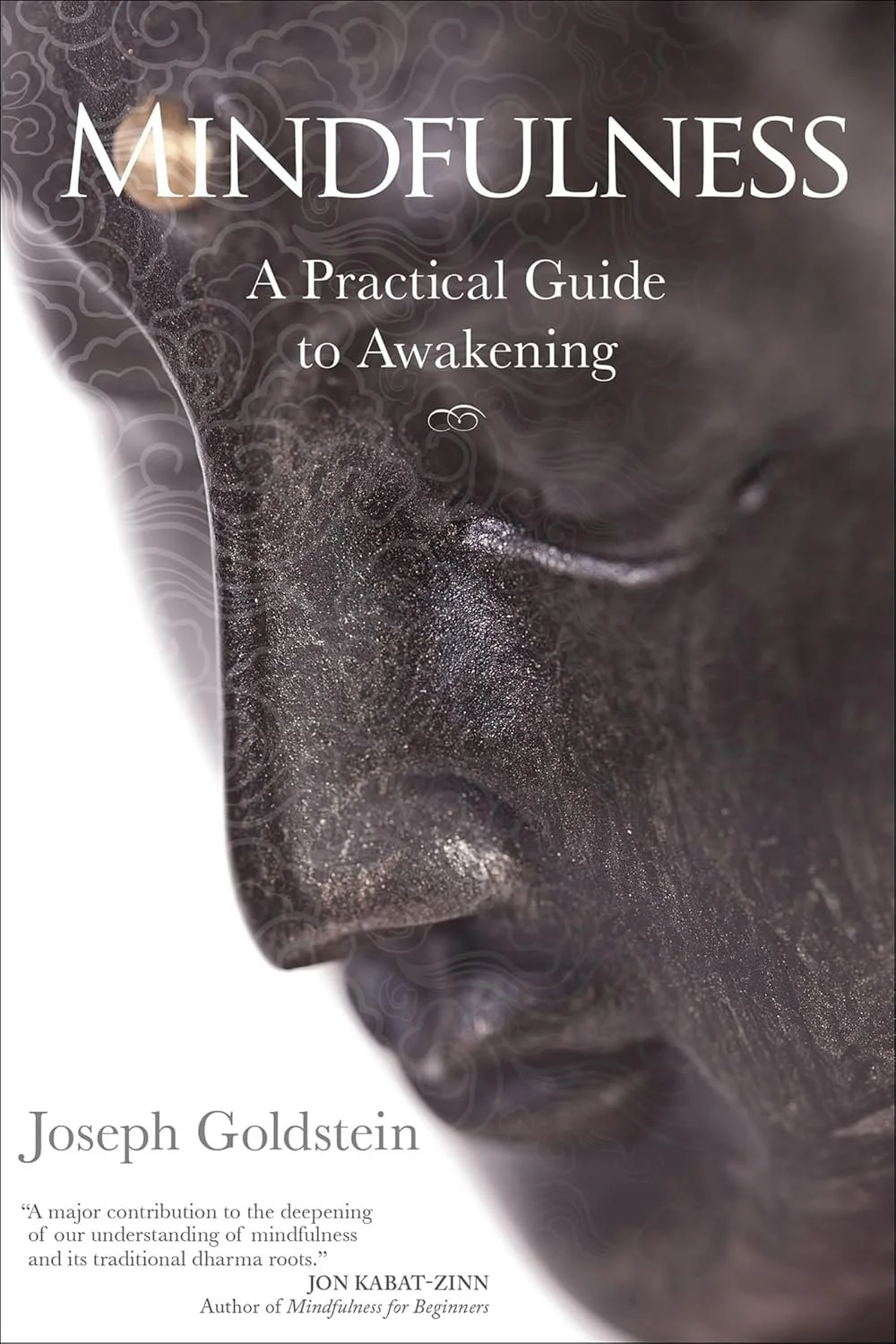
Mindfulness: A Practical Guide to Awakening
On a similar note, Mindfulness: A Practical Guide to Awakening covers the Buddha’s teachings on mindfulness. It dives into the Satipatthana Sutta, same as the previous book. However, it is a little bit less academic and more approachable. With no disrespect intended, I often call this book “Satipatthana-lite.” It’s not that it’s not thorough, but it is much more approachable than Analayo’s book.
This book focuses a bit more on actually applying the teacher, whereas the previous focuses on understanding the original teachings. It’s still relatively dense, but it is a powerful way to begin to understand the actual Buddhist teachings on mindfulness and what mindfulness actually means.
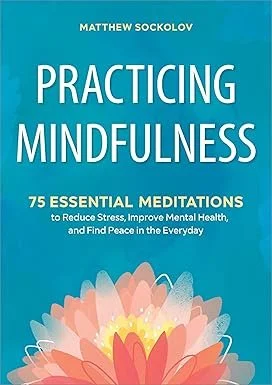
Practicing Mindfulness
I have to end this list with my own book, Practicing Mindfulness: 75 Essential Meditation to Reduce Stress, Improve Mental Health, and Find Peace in the Everyday. My first book, it has sold hundreds of thousands of copies in over a dozen languages. It brings me immense joy to see how useful people have found the practices.
The book contains 75 chapters with pragmatic ways to bring mindfulness to your life. From sitting meditation to cultivating mindfulness during daily life, the book aims to offer practical tips you can use to build a mindfulness practice.
Where to Start
If you look at lists like these and just aren’t sure where to start, I understand! You can also send me a message here to get a personalized recommendation. I’m happy to listen to your experience and offer my recommendation for you! Also, don’t forget to check out some of my favorite mindfulness podcasts and YouTube channels for more ways to learn about mindfulness.
More Posts


Matthew Sockolov is a Buddhist meditation teacher who trained at Spirit Rock Meditation Center in Woodacre, California. Completing the Dharma Leader training program in 2017, Matthew was given power to teach in the Insight Meditation tradition by Jack Kornfield, Kittisaro, Thanissara, and others. You can learn more about Matthew here.