How to Practice Buddhism - A Guide for Beginners
I am asked frequently about how to start practicing Buddhism, or how one might convert to Buddhism. Different Buddhist traditions have different customs and practices. In this post, I’ll cover:
What Buddhism Is
How to Get Started with Buddhism
The Basic Buddhist Teachings
A Brief Overview of Different Traditions
Resources for Further Study
What is Buddhism?
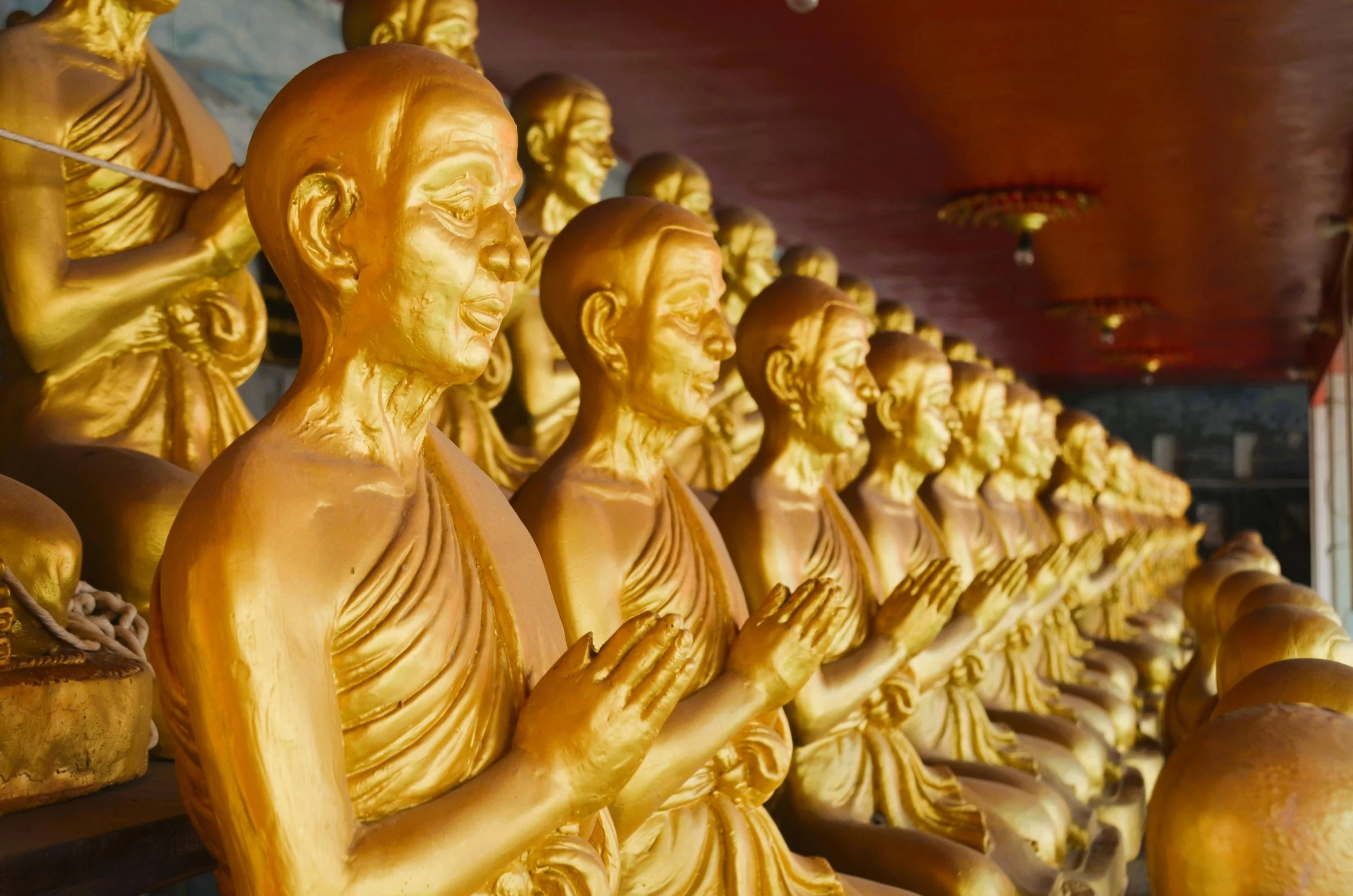
Buddhism is a major world religion or philosophy (more on this in a moment) with somwhere between 300 million and 500 million followers worldwide. Originating in what is modern-day India around 2500 years ago, Buddhism began with Siddhartha Guatama. It’s a path focused on achieving enlightenment (nibbana) and ending suffering (dukkha) through the cultivation of wisdom, ethics, mindfulness, and compassion.
The Buddha himself did not claim to be a god or deity in any way. He was a teacher, and said he taught about suffering and the way to end suffering. Over years of transmission through various countries and cultures, different schools of Buddhism and ways of practice have arisen. All ultimately focus on the cultivation of qualities that end suffering and lead to awakening.
Because there isn’t a focus on a central deity or creator, Buddhism is often classified by scholars as a nontheistic religion. In the West, Buddhism is often seen more as a philosophy or spiritual practice. There are even strictly secular paths rooted in Buddhism, such as mindfulness-based stress reduction (MBSR).
The Buddha’s teachings are contained in the suttas, or discourses. Different traditions have different sets of suttas they use. Many are from around 200 years after the death of the Buddha, as Buddhism was initially an oral tradition. Some traditions use later suttas, such as the Chinese Heart Sutra from the mid-7th century CE.

How to Get Started on a Buddhist Path
You’re interested in Buddhism, and maybe you’ve attended a sitting session or a group at a local sangha or temple. But how do you actually get started? Here is my recommendation any time someone asks me.
Learn Basic Teachings
First, I recommend you learn some of the basic Buddhist teachings. There are tons of suttas, or discourses. The original Pali Canon (the oldest group of teachings) has over 10,000 separate discourses. It can be quite overwhelming. But to start, there are a few basic Buddhist teachings worth understanding. I cover these below in the section on Basic Buddhist Teachings.
To help learn about Buddhism, I do recommend consuming the dharma however works for you. There are some resources at the bottom of this post, but you might try listening to podcasts, watching videos on YouTube, or reading some books. Familiarizing yourself with the teachings in Buddhism is definitely necessary.
Meditate
One thing I love about Buddhism is the concept of ehipassiko, which roughly translates to “come and see for yourself.” The Buddha taught that although he can teach about truth and you can consume dharma (teachings), you must actually experience the path for yourself. It is not a philosophy to be understood intellectually. It is to be lived experientially.
So, all of this is to say you should start meditating! If you want to practice Buddhism, meditation will certainly be a part of your path. You don’t need to start with long periods of meditation, as I cover in my post For How Long Should Beginners Meditate? Start with just five minutes a day, building the habit. I have a playlist of talks and meditations for beginners here to help you get started. I also recommend reading my post 14 Meditation Tips for Beginners.
Follow the Precepts
I cover the five precepts below, but this is a great way to get started with Buddhism. These are essential training rules all lay Buddhists take, and offer a way to start investigating your ethics. You don’t need to do anything fancy. Read through the precepts to start, recognize how they relate to your own life, and set the intention to investigate the precepts throughout your day.
Engage with a Community
Finally, one of the best things you can do to start practicing Buddhism is to engage with a Buddhist community. This may mean finding a teacher to work with, going to a local temple, or finding a sitting group. There are meditation and study groups in various traditions around the world, as well as plenty of online offerings. If you want help finding something in your area, please don’t hesitate to reach out.

Basic Buddhist Teachings
I am not going to cover any of these teachings fully here. Each teaching is its own huge topic that requires investigation and reflection. But I will offer a basic introduction to each of these important teachings.
Ethics and Precepts
I already touched on the precepts, or training rules. For laypeople (not monastics), these are five practices related to ethical living that we are encouraged to observe. The idea of these precepts is to provide a container to help develop mindfulness, reduce suffering in ourselves and others, and live guilt-free. The five precepts are:
To abstain from destroying living creatures.
To abstain from taking that which is not freely offered.
To abstain from sexual misconduct.
To abstain from false speech.
To abstain from intoxicating substances which lead to heedlessness.
I discuss the precepts in more depth in this episode of my podcast in which I cover Wise Action.
The Four Noble Truths
In my understanding, the Four Noble Truths is the single most important teaching of the Buddha. This is partially because it contains all other teachings in a way. The Four Noble Truths are the foundational teaching that explains the Buddhist path. It covers the reality of experience, the problem as the Buddha saw it, the possibility of ending the problem, and how to actually do so.
The Four Noble Truths are:
The Truth of Dukkha
Dukkha is often translated as “suffering,” but can perhaps be better understood as “dis-ease” or “dissatisfaction.” This Truth teaches that dukkha is a part of life and we are to recognize it and truly know the experience of dukkha. This may be the dis-ease of getting sick, not getting what you want, or experiencing anxiety. It arises in many ways. You can read more in this post.
The Truth of The Cause of Dukkha
The Second Noble Truth focuses on the roots of the dukkha. The Buddha taught that the cause of the dis-ease is craving. This is the relentless desire to want things or want life to be different, driven by the qualities of greed, hatred, and ignorance.
The Truth of the Cessation of Dukkha
This Truth tells us that it is possible to end suffering. The ending of suffering is known as nirodha. Because the cause of suffering is craving, the end of suffering is possible through the abandoning of craving.
The Truth of the Path to the End of Suffering
Finally, we have the instructions on how we end suffering. This is the Noble Eightfold Path, which I cover in the next section. The Buddha taught this path as the way to end suffering through the cultivation of the eight factors.
This is often cited as the most essential Buddhist teaching because it covers why we practice and how we practice. The entire path, in a sense, is contained in these truths. I cover the Four Noble Truths in this episode of my podcast. I’ve also included the video from YouTube below.
The Noble Eightfold Path
As mentioned, the Noble Eightfold Path is the fourth of the Four Noble Truths. The Buddha taught the Noble Eightfold Path as the way to end craving and therefore suffering. They are eight qualities we cultivate, and not listed in linear order. That is, we don’t need to cultivate one first before moving on to the next one.
The Factors of the Noble Eightfold Path are:
Wise View
Wise Intention
Wise Action
Wise Livelihood
Wise Mindfulness
Wise Concentration
To learn more about these factors in more depth, you can read my post The Noble Eightfold Path: The Buddhist Way to End Suffering.
The Law of Karma
Karma, or kamma in Pali, is often misunderstood. The law of karma in Buddhism is fairly simple. It says that any intentinoal action has effects. This includes things we do, speech, and even thoughts. The law of karma is not that if are mean to someone, they will be mean back to us. And the idea of good karma or bad karma is a bit overly simplistic. Bad things don’t happen to someone because they “deserved it.”
Thanissaro Bhikkhu says that karma is the law that says the choices we make today dictate what doors we have open to us in the future. For example, if we practice mindfulness today, we will be able to be more mindful tomorrow. If we engage in hateful or angry thoughts, the mind will tend more toward anger in the future.
I have some good thoughts from the Buddha and other teachers on karma on my page Quotes about Karma to gain more understanding, and the episode of my podcast A Practical Understanding of Karma investigates this teaching in a pragmatic way in daily life.
Rebirth and Reincarnation
First off, Buddhism generally rejects the actual idea of reincarnation. Reincarnation comes from Hinduism, which heavily influenced Buddhism. The difference is that Buddhist teachings explicitly state there is no eternal soul that moves from one life to the next. As such, many people have a slight misunderstanding of rebirth in Buddhism.
The teaching of rebirth is different from reincarnation in that there is no self (soul, spirit, etc.) that is permanent or unchanging. Instead, we can start by seeing rebirth in our own lifetimes. In every moment, the flow of experience is changing. The body changes, thoughts arise and pass, feelings come and go, etc. In this sense, we are being reborn constantly.
As far as future “lives” go, the teaching is that our actions (karma) in this life can impact future lives. I think a good explanation is a wave in the ocean. As the wave rises and then falls, it creates an effect. The next wave is connected, but not the same wave at all. This is the idea of rebirth. Our lives here and now impact the future once we are gone. Think of someone you know who left a loving mark on the world. Once they are gone, their karma has continued to impact you and others!

The Heart Practices
Along with the mindfulness and insight-based practices in Buddhism, there are a set of four heart qualities known as the brahma-viharas. These are four qualities of the heart the Buddha instructed his followers to cultivate alongside mindfulness, insight, and concentration.
The four heart practices are:
Metta (Loving-Kindness)
Karuna (Compassion)
Mudita (Appreciative Joy)
Upekkha (Equanimity)
Together, these four practices help us cultivate what the Buddha called a “boundless heart.” We learn to respond with more kindness, presence, and care to both our own experience and those around us.
Meditation
Of course meditation is an important part of the Buddhist path. Different Buddhist traditions have very different meditative practices. Here, I’m going to focus largely on the practices with which I’m most familiar as I practice in the Theravada tradition.
Mindfulness
Mindfulness meditation is perhaps the most well-known type of meditation when it comes to Buddhism. In general, mindfulness is the cultivation of awareness of our present-time experience. We learn to be present with whatever is arising, observe thoughts without judgement, and recognize patterns that arise in the mind and body.
The Buddha’s actual teachings on mindfulness center on the Four Establishments of Mindfulness, or four ways we can cultivate this quality. These are:
Mindfulness of the Body
Mindfulness of Feeling Tone
Mindfulness of the Mind
Mindfulness of Dhammas
We cultivate this mindfulness through a variety of practices, including anapanasati (mindfulness of the breath), body scans, walking meditation, and general open awareness practices.
Insight
Many people confuse insight and mindfulness practices. Although many techniques work to cultivate both qualities, they are different. Mindfulness if the quality of mind that helps us pay attention without getting lost. Mindfulness is like the flashlight that shines a light on experience to see clearly. Insight, on the other hand, is the actual clear seeing. It’s what we actually see when the light is shining on experience.
Specifically, insight (or vipassana), is what develops as we see experience on a deeper level. We develop an understanding and knowing of the Three Marks of Existence: impermanence, non-self, and unsatisfactoriness. The techniques are similar, but insight is perhaps the product of strong mindfulness.
Concentration
You’re probably familiar with the idea of concentration in general. In Buddhism, we cultivate concentration for many reasons. First, deeper states of concentration (known as the jhanas) can lead to great insight and understanding. Furthermore, concentration helps support our other practices.
As we cultivate concentration, we gain an ability to be with an object of our awareness with less distraction. This less distractability allows us to dive in more deeply, cultivating more insight and wisdom. In truth, we can only develop our mindfulness so much without concentration. And we can only develop concentration so much without mindfulness. The two work together, as I cover in the below talk for beginners.
Heart Practices
Finally, we meditate to cultivate the qualities of heart known as the brahma-viharas. These qualities are taught to calm the mind, reduce reactivity, and help us connect with others. I’ve written about the research-backed benefits of loving-kindness here, but all of these qualities when cultivated together can support our practice both in and out of meditation.
These qualities can be cultivated a number of ways. The most common and traditional is by using phrases we repeat silently in our heads. Although we may not “feel” an emotion while offering the phrases, we are orienting ourselves more toward kindness and compassion.
Different Buddhist Traditions
It’s important to note that there are many, many different Buddhist traditions around the world. There are three main schools of Buddhism, with many sects or traditions in each one. Although they all originate from the same Buddha, there are different teachings, practices, lineages, and customs.
Theravada
Theravada means “Teaching of the Elders,” and is generally seen as the oldest existing school. It uses what is known as the Pali Canon, which are the collection of teachings that came first after the Buddha’s life and death. Theravada largely ignores later teachings or suttas, and focuses primarily on the early teachings as the path.
Within the Theravada school, you’ll find traditions like the Thai Forest Tradition, the Mahasi Sayadaw Tradition, the Thai Dhammayuttika Nikaya Tradition, and the Sri Lankan Siam Nikaya Tradition. As you might see, Theravada is common in Southeast Asian countries such as Thailand, Myanmar (Burma), Cambodia, Laos, and Sri Lanka.
The modern insight traditions we see in the West are generally rooted in Theravada traditions. I see the Insight Meditation lineage as a modern, western branch off of Thai and Burmese traditions. Specifically, Insight Meditation focuses specifically on meditation, the cultivation of insight, and retreat practice.
Mahayana
Mahayana means “The Great Vehicle,” and is substantially larger than Theravada. Over half of Buddhists worlwide practice in this tradition. Although the Pali Canon is used in these traditions, later suttas are often used as well. Another big difference is that Theravada focuses on individual liberation through the Noble Eithtfold Path. Mahayana traditions generally focus more on awakening for the sake of all beings everywhere.
Mahayana is more popular in China, Japan, South Korea, Vietnam, Taiwan, and Singapore. Big traditions include Chan and Pure Land in China, Zen and Nichiren in Japan, and Seon in Korea and Vietnam. There are generally more rituals and focus on deities than you’ll find in Theravada, although much of this has not made its way to the West in practice.
Vajrayana
Vajrayana is sometimes included in the umbrella of Mahayana and sometimes recognized as its own school. Meaning the “diamond vehicle,” Vajrayana is a type of Mahayana that uses many more mantra practices, deity visualizations, and ritualistic practices. According to adherents, it is the fastest and most direct path to awakening.
It is most common in the Himalayan region, most notably Tibet, Bhutan, Nepal, Mongolia, and northern regions of India. The Dalai Lama is the leader of the Gelugpa tradition, the biggest tradition in Vajrayana. Although the goals are the same, Vajrayana uses different practices than will be found in Mahayana or Theravada schools.
Conversion Process
Unlike many other religions, Buddhism doesn’t really have a single conversion process. The main formal step is taking refuge in the Three Jewels (Buddha, Dharma, and Sangha). This means we turn toward the Buddha (the seed of awakening within ourselves), the Dharma (the teachings and way of practice), and the Sangha (the community) as our primary guides and teachers.
This may be accompanied by a pledge to undertake the Five Precepts as well. And that’s it! There’s nothing to do to convert or become Buddhist other than take refuge in the Three Jewels and begin following the precepts. These may be offered in more formal settings at meditation centers or on retreats, but there is no necessity to do it in such a structured setting.
In Mahayana schools, you may also take the bodhisattva vows. These are vows to remain in this world until all beings are freed. Some schools may include chanting suttas like the Lotus Sutra. Vajrayana generally requires a more formal process and personal relationship with a teacher to convert.
What this all means, in my opinion, is that you don’t need to do anything special to become Buddhist. Understand the Five Precepts and taking refuge, and orient yourself toward these things. It’s that simple. The idea of conversion can come from Judeo-Christian religions, but isn’t applicable in the same way in Buddhism.

Study Resources
When it comes to getting started with Buddhism, it can be hard to know where to start. I have a list here of some of my favorite books, podcasts, websites, and online communities for beginners. I also include a handful of links from my own website that you may find useful. Also, check out my list of the best meditation YouTube channels for a good place to start. I also offer private meditation classes to individuals, couples, and groups for those that want personalized attention and support.
Books
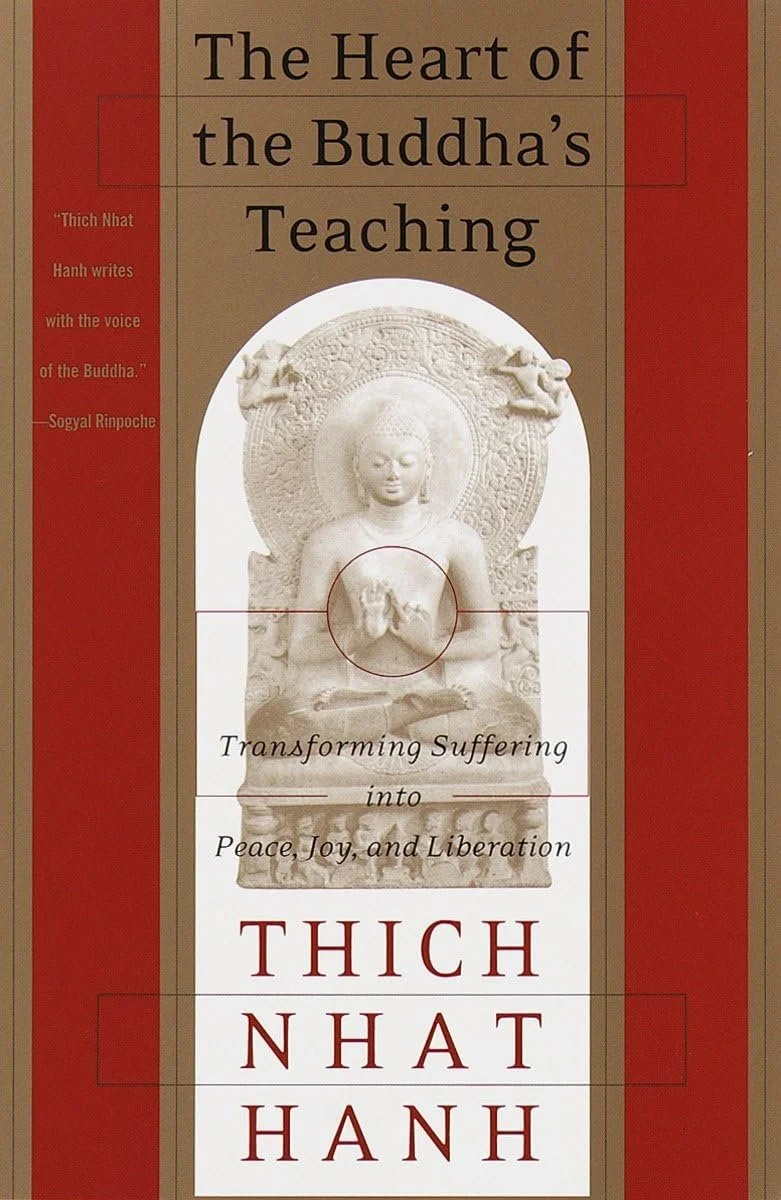
My favorite book that covers the basic teachings of the Buddha comes from Thich Nhat Hanh. In The Heart of the Buddha’s Teachings, you’ll find explanations of many core Buddhist teachings. It covers all of the basic teachings, and offers a truly wonderful look at what the Buddha taught. It’s my personal go-to when working with people new to Buddhism, and has been for many years.
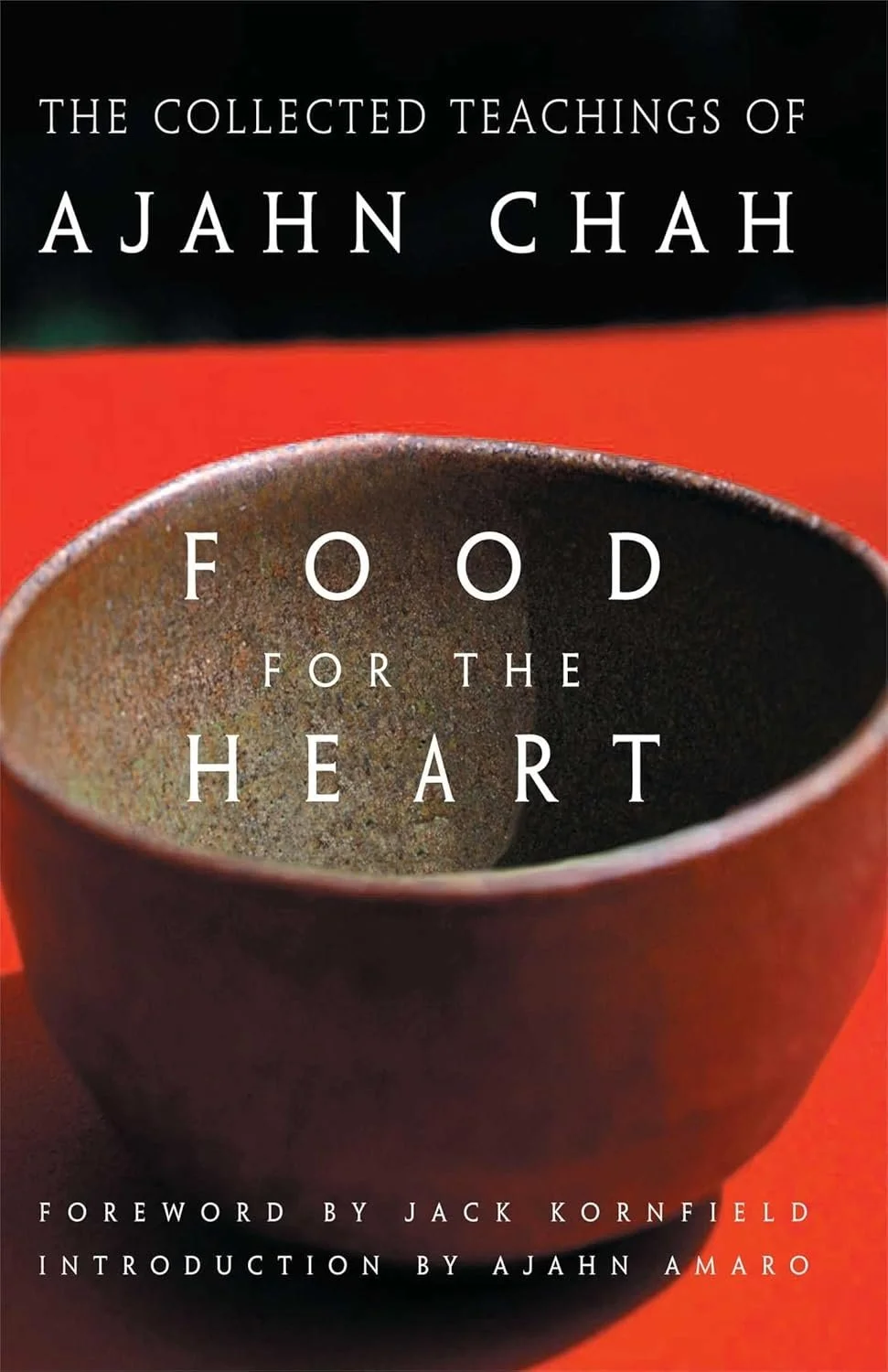
Food for the Heart: The Collected Teachings of Ajahn Chah is a collection of talks that were transcribed from Thai teacher Ajahn Chah. Although it doesn’t cover all of the Buddha’s teachings in a structured format, it provides simple and clear explanations of the themes and practice. It’s a book I have sitting near my desk at all times, and return to repeatedly to read a chapter here and there.
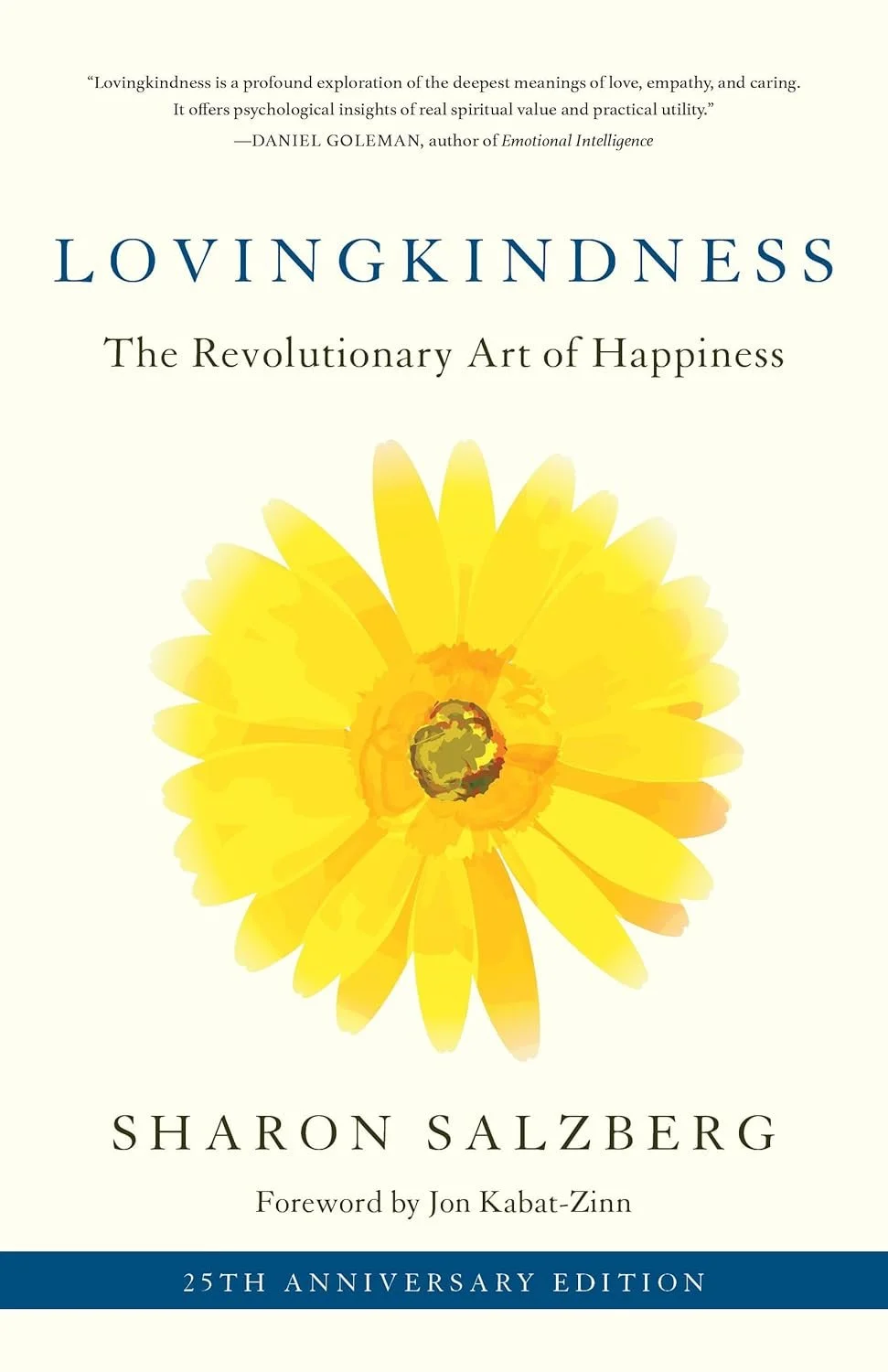
Loving-Kindness: The Revolutionary Art of Happiness from Sharon Salzberg is the place to start if the heart practices interest you. Sharon has dedicated decades to studying and teaching the heart practice, and is widely regarded as one of the leading teachers in the West on the subject. In this book you’ll learn about the heart practices, how they support us, and how to actually practice.
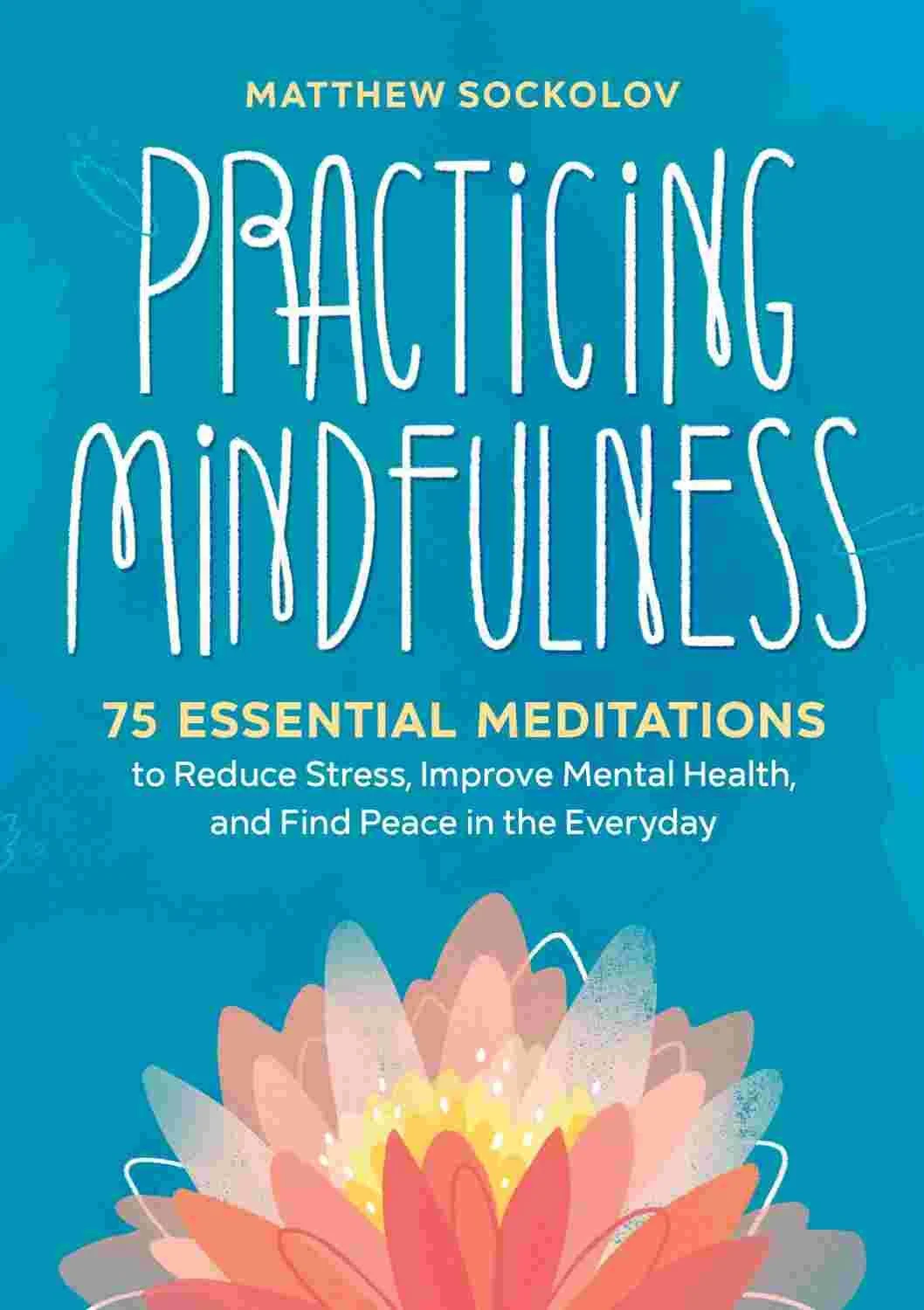
Finally, I have to recommend my own book, Practicing Mindfulness. A bestseller and the #1 book in Theravada Buddhism on Amazon, this book contains 75 different practices you can use both in meditation and in daily life. My goal with this book was to make mindfulness and compassion acessible, and it offers a great way to get started with actual practice.
Podcasts
I have a list of my favorite podcasts on this page that I recommend checking out. There are tons of different shows out there, so I’ve done my best to provide a list that I find useful. I recommend listening to different programs to see which one clicks with you. And, in some moments one podcast may serve you better than another. Be flexible!
Websites
I’m just going to list a bunch of useful sites here with brief descriptions. You can dig around the sites to see what’s useful.
Sutta Central - A big collection of the suttas, along with reading guides and search tools.
Access to Insight - Another site of traditional Theravada texts, many translated by Thanissaro Bhikkhu. Also has commentary and study guides.
Lion’s Roar - Popular Buddhist magazine with plenty of beginner-oriented articles.
Plum Village - A great Mahayana site in the lineage of Thich Nhat Hanh. Plenty of practical and easy-to-understand blog posts.
One Mind Dharma - My buddhist blog covering many basic Buddhist teachings. I recommend checking out the popular posts for good places to start.
Online Communities
There are plenty of online sitting groups in various traditions. I’m sure there are more than I’m going to list here, but here are a few I can recommend. For in-person sitting groups, check BuddhistInsightNetwork.org.
Spirit Rock - Where I first practiced and was empowered to teach, they have plenty of online programming available.
Dharma Homies - Online sitting groups every morning!
Insight Meditation Society - IMS has retreats and sitting groups in the insight meditation tradition.
InsightLA - Regular online sitting groups open to all.
Plum Village - Plenty of engaged Buddhist and practice sessions in the lineage of Thich Nhat Hanh.
One Mind Dharma - Weekly donation-based sitting group open to all!
My Resources
Finally, I want to include a few resources from my sites that are useful to beginners:
Mindfulness for Beginners: A Guide to Getting Started with Meditation
How to Start a Daily Meditation Practice: Tips and Guidance for Beginners
How Often Should You Meditate as a Beginner?
9 Common Myths and Misconceptions about Meditation
Mindfulness Coaching: How it Works, What to Expect, and How it Can Support You
17 Types of Meditation - Which One is for You?
Differences Between Theravada and Mahayana Buddhism
Understanding the Different Types of Buddhism
Buddhism for Beginners Online Course
To stay connected, join the free WhatsApp group. The group is a place to ask questions, discuss mindfulness, find meditations, and get links and topics to the weekly sitting group. You can join the group for free at OneMindDharma.com/chat.
More Posts


Matthew Sockolov is a Buddhist meditation teacher who trained at Spirit Rock Meditation Center in Woodacre, California. Completing the Dharma Leader training program in 2017, Matthew was given power to teach in the Insight Meditation tradition by Jack Kornfield, Kittisaro, Thanissara, and others. You can learn more about Matthew here.