Meditation Makes Me Sleepy: How to Deal with Drowsiness in Meditation
You sit down to meditate, close your eyes, feel some ease, and suddenly you’re nodding off. What? That wasn’t the plan! But it is the experience of many meditators, especially those relatively new to meditation.
Before diving into this post, I want to state right at the top: sleepiness happens during meditation. It doesn’t mean anything is wrong with you. Much like intrusive thoughts, restlessness, and spending the whole session wondering if you’re doing it right, sleepiness during meditation is a common obstacle.

Why Meditation Can Induce Sleepiness
Sleepiness is just one of many ways meditation can feel hard at first. Although there may be one dominant factor at play, sleepiness is often caused by a combination of causes and conditions.
Lack of Stimulation
The first thing to consider is the change in stimulation when we go from live in the modern world to sitting silently in meditation. We live in a world with cell phones, bright lights, loud noises, and constant stimulation. Meditation, on the other hand, minimizes these stimuli.
It’s not personal, nor is it your fault. It just is a simple fact. This lack of stimulation can cause some drowsiness or nodding off, as the brain has much less external activity to keep it awake. I think it can be helpful to understand how this can cause sleepiness so we don’t take it quite so personally.
Simple Tiredness
The other aspect that absolutely must be considered is if you are tired or not. If you haven’t been sleeping well, had a long day, or just ate a big meal, feeling tired is probably partially being caused by a feeling of tiredness.
This is the journey of mindfulness! Recognize what may be influencing your experience. This isn’t to beat yourself up, but to make necessary adjustments. We also can see the tiredness caused by something like a lack of sleep as non-personal, and not indicating anything wrong with our practice.
Associations with Stillness
When else are you still and quiet in your life? Without music, without a tv show, without a podcast? For most people, what comes to mind is lying down to sleep. This is the only other time we generally stop the stimulation and seek stillness.
As such, the brain creates an association between stillness and sleep or relaxation. As we continue to meditate, this association may weaken as the brain learns to be alert while still. But especially when we first begin meditating, sleepiness is a natural by-product of sitting still in silence.
Boredom and Dullness
Boredom in meditation is quite normal, and can lead to sleepiness. When we don’t find anything interesting and aren’t engaged, the brain grows tired. This can be further impacted by physical tiredness or other factors as well.
When the mind isn’t sharp, we can recognize what is happening. The dullness that leads to sleepiness is not permanent, and we learn to work with it. I’ll cover that more in a bit when I discuss how we can work with sleepiness.
Posture
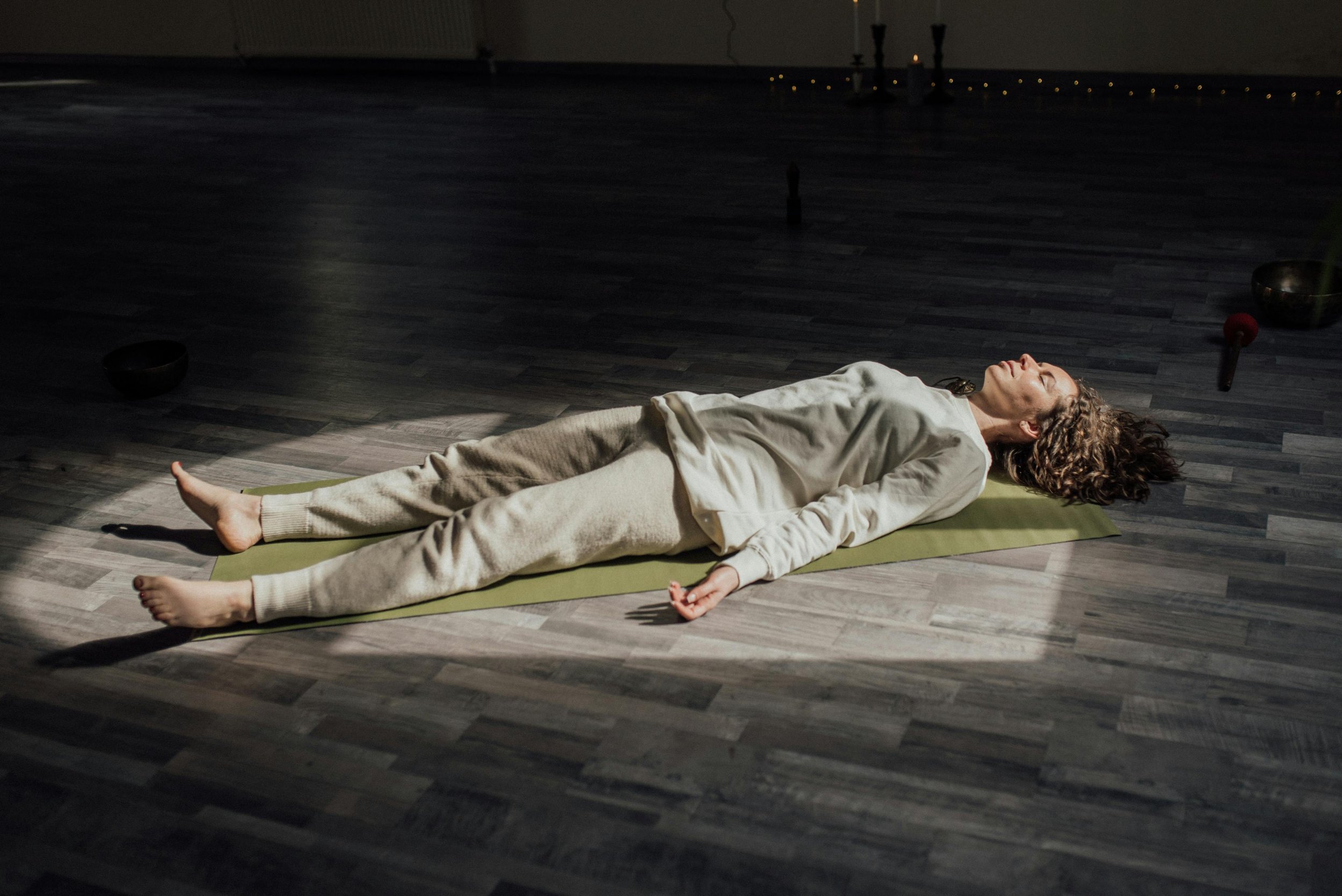
You really can meditate in any posture, but certain postures may induce sleepiness. Obviously meditating while lying down may be one of these postures. But even sitting meditation can lead to an unintended nap.
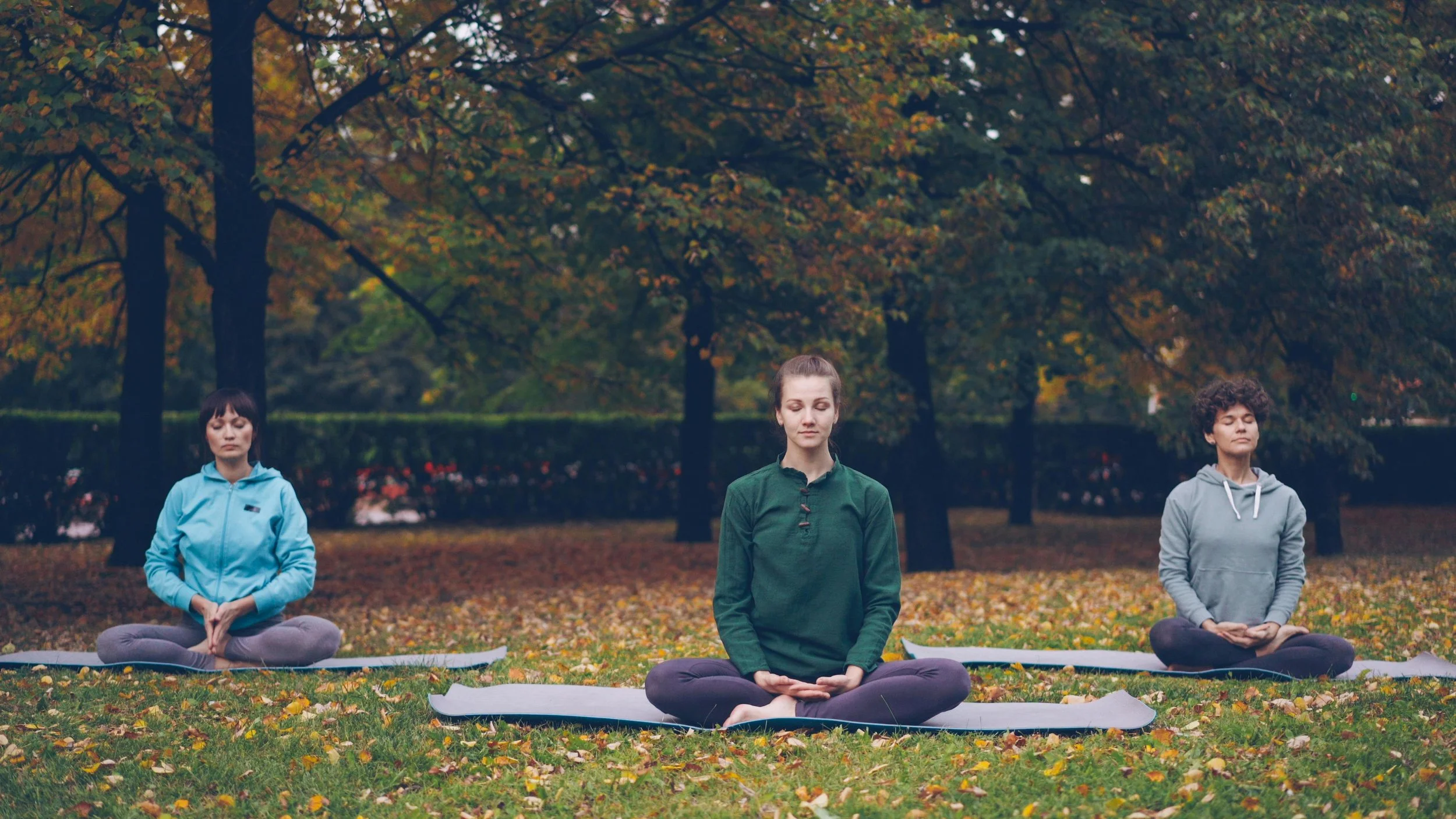
In addition to general posture (such as seated, lying down, standing, etc.), specific habits may influence alertness. A slouched posture that is too relaxed may lead to sleepiness, while a more alert and energized sitting posture can help keep it at bay.
Straining
It may seem counterintuitive, but straining too hard in meditation can actually lead to sleepiness as well. When we over-effort and strain, the mind grows tired rapidly. We lose steam and the drowsiness seeps in.
It’s helpful to understand wise effort, and how to find the middle way when it comes to putting forth energy. Often, this can create a cycle. We try to stay awake, get sleepy, so try harder to focus, causing more sleepiness.

Sleepiness vs. Calm
As we progress with meditation practice, we will find some moments of calm and ease. Known as samadhi in Buddhism, this state of tranquility can sometimes be mistaken as sleepiness. As we familiarize ourselves with the effects of meditation in the mind, sleepiness and calm become clearly different.
However, it may be worth recognizing in your own practice and experience if you’re truly tired or just calm. Many of us (myself included) simply don’t truly know the type of calm we begin to experience with meditation practice. We equate it with sleepiness as it is the closest thing we know.

How to Stay Awake During Meditation
Time to be more solution-oriented. What do we actually do to work with sleepiness? Well, it depends on the cause. If you’re physically tired form sleeping poorly, fixing your posture may not be enough. Here are a few things you might try to work with sleepiness in your practice.
Recognize Tiredness
The first step (with anything in meditation) is to simply recognize that tiredness is present. If you can, steer clear of identifying or creating a sense of self. Notice that sleepiness is present, rather than saying, “I am sleepy.”
Chances are you’re already doing that, as you’re here reading this page. In the moment during meditation, recognize when sleepiness is present or not. Practice knowing it, so you can identify it in the future before you are nodding off fully.
Meditate in the Morning
There are benefits and issues with meditating in the morning and at night. I cover it a bit more in this post, but one problem many people have is falling asleep during afternoon or evening meditations. Some people also find morning meditation to actually be the most difficult.
In general, morning meditation sessions tend to work best for those struggling with falling asleep during meditation. Meditating when the mind is awake and alert, there is light out, and the mind isn’t full and tired from the day’s activities might make all the difference.
Check Your Posture
First of all, you don’t have to sit cross-legged to meditate. You can meditate in absolutely any posture you want. However, some postures can help induce alertness more than others. If you’re meditating lying down, try seated meditation.
If you’re sitting, as many people do, there are adjustments you can make. Consider reaching your spine upward, inviting some alertness and energy into the body. When I am meditating (especially in the afternoon) and notice dullness, I check in with the posture before anything else.
Open Your Eyes
We think of meditation as an eyes-closed activity perhaps. But in many traditions (such as some Zen traditions), open-eye meditation is actually the norm. I write more about this in my post Can You Meditate with Your Eyes Open?
When sleepiness creeps in, open your eyes! It’s a lot harder to fall asleep with open eyes than closed ones. The light coming in sparks a bit of energy usually, and allows us to keep practicing. I recommend opening the eyes and keeping them at a soft gaze on the floor in front of you.
Stand or Walk
Opening your eyes is a great way to go, but doesn’t always do the trick. When sleepiness is still overwhelming, the next step is to stand or walk. These instructions actually come straight from the Buddha (in the Capala Sutta) and include instructions to stand up, tug your earlobes, and practice walking meditation among others.
Walking meditation is a type of meditation that laypeople often overlook. It’s super applicable to daily life, a great way to work with sleepiness, and can be a solid practice for working with overthinking. You might even consider starting your meditation as a walking meditation if you suspect sleepiness is going to be an issue.
Watch the Sleepiness
This may seem like a traditional or intellectual answer, but I want to be clear that I mean it as a pragmatic tip. Watch the sleepiness and get to know it. What is the feeling tone? Where in your mind and body do you feel it? What does it feel like? Make the sleepiness the object of your awareness.
By tuning into the sleepiness with curiosity rather than judgement, we give ourselves a chance to really get to know the mind and experience. We let go of beating ourselves up, give the mind something interesting to focus on, and learn about ourselves in the process.
When it comes to mindfulness and meditation, the general rule is to observe before acting. Whatever you decide to do in response, watch the sleepiness first.
Shorten Your Meditation
Finally, consider shortening your period of meditation. You don’t need to meditate for long periods to see benefits. When beginning a meditation practice or dealing with sleepiness at any point, longer sits can lead directly to a nap.
Try shortening your sitting time, and see if it makes a difference. It may or may not, but for many people it seems to keep alertness present. Be mindful of how this impacts your practice and mental state, and see if it works for you.

The Importance of Consistency
If you’re a regular visitor to this website, reader of my first book, or listener of the podcast, this is going to be a familiar point to you. Consistency is your friend when it comes to working through these beginner difficulties in meditation.
I cover the research more in my post How Often Should You Meditate as a Beginner?, but the gist of it is that frequency is helpful. In fact, several studies found that consistency is a better indicator of building a lasting meditation habit and seeing the benefits of meditation than total time meditated.
For tips on building a daily practice, I recommend reading my post How to Start a Daily Meditation Practice. You’ll find tips, answers to common questions, and more about the benefits of a daily practice. This will help immensely with difficulties like sleepiness, but remember to be patient with yourself!
Don’t forget I offer mindfulness coaching to individuals (and couples) around the world, and offer free consultations to see if we’re a good fit.
To stay connected, join the free WhatsApp group. The group is a place to ask questions, discuss mindfulness, find meditations, and get links and topics to the weekly sitting group. You can join the group for free at OneMindDharma.com/chat.



Matthew Sockolov is a Buddhist meditation teacher who trained at Spirit Rock Meditation Center in Woodacre, California. Completing the Dharma Leader training program in 2017, Matthew was given power to teach in the Insight Meditation tradition by Jack Kornfield, Kittisaro, Thanissara, and others. You can learn more about Matthew here.