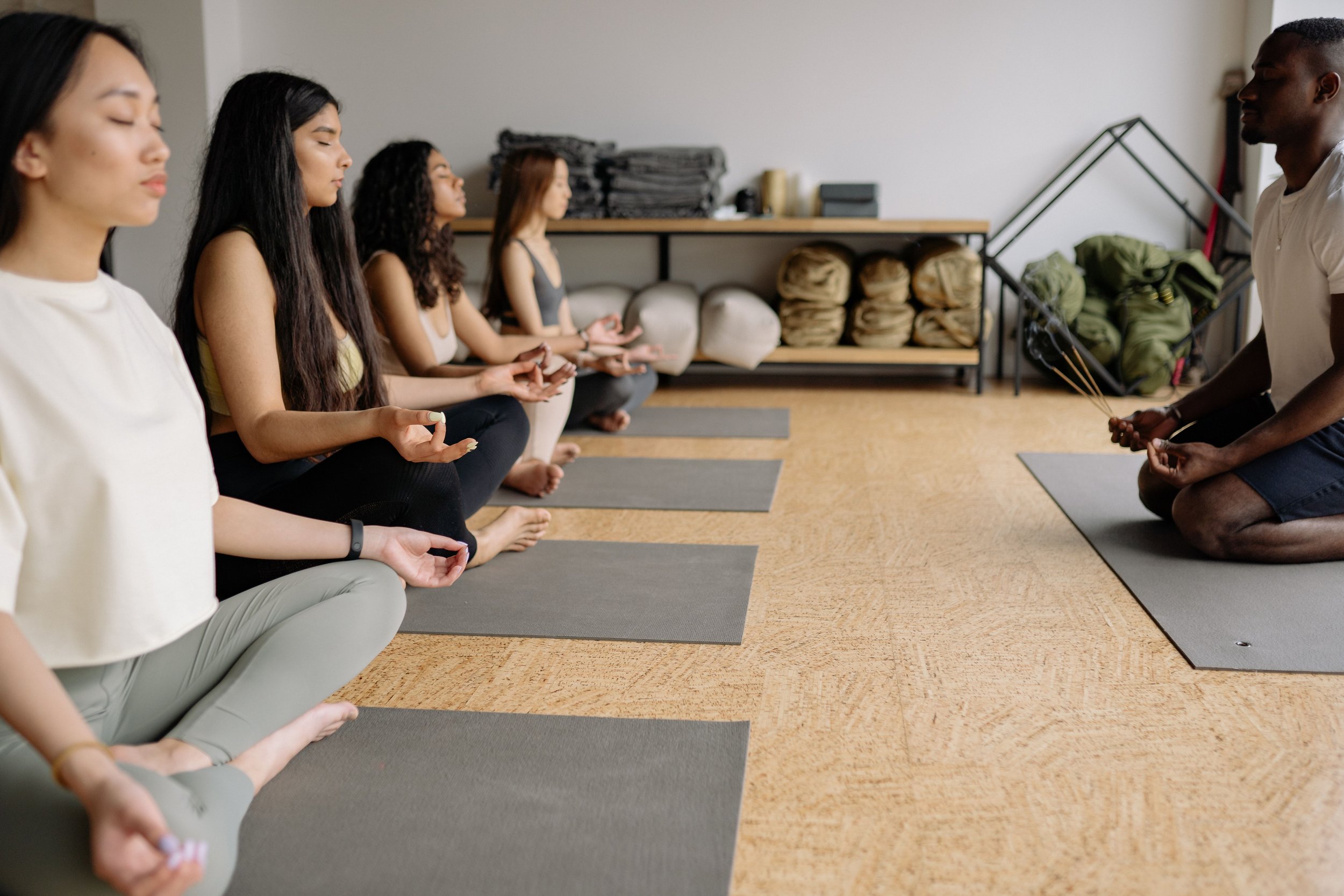
When it comes to meditation, we essentially are offered the choice between guided meditation and silent meditation. There’s also the topic of meditating with music, which I cover more in this post. When it comes to choosing between guided meditation or silent meditation, there are upsides and downsides.
I’ll cover some of the benefits of both guided and silent meditations, who may benefit from which type of meditation, and how to find a balance. But I first want to start with my personal experience.
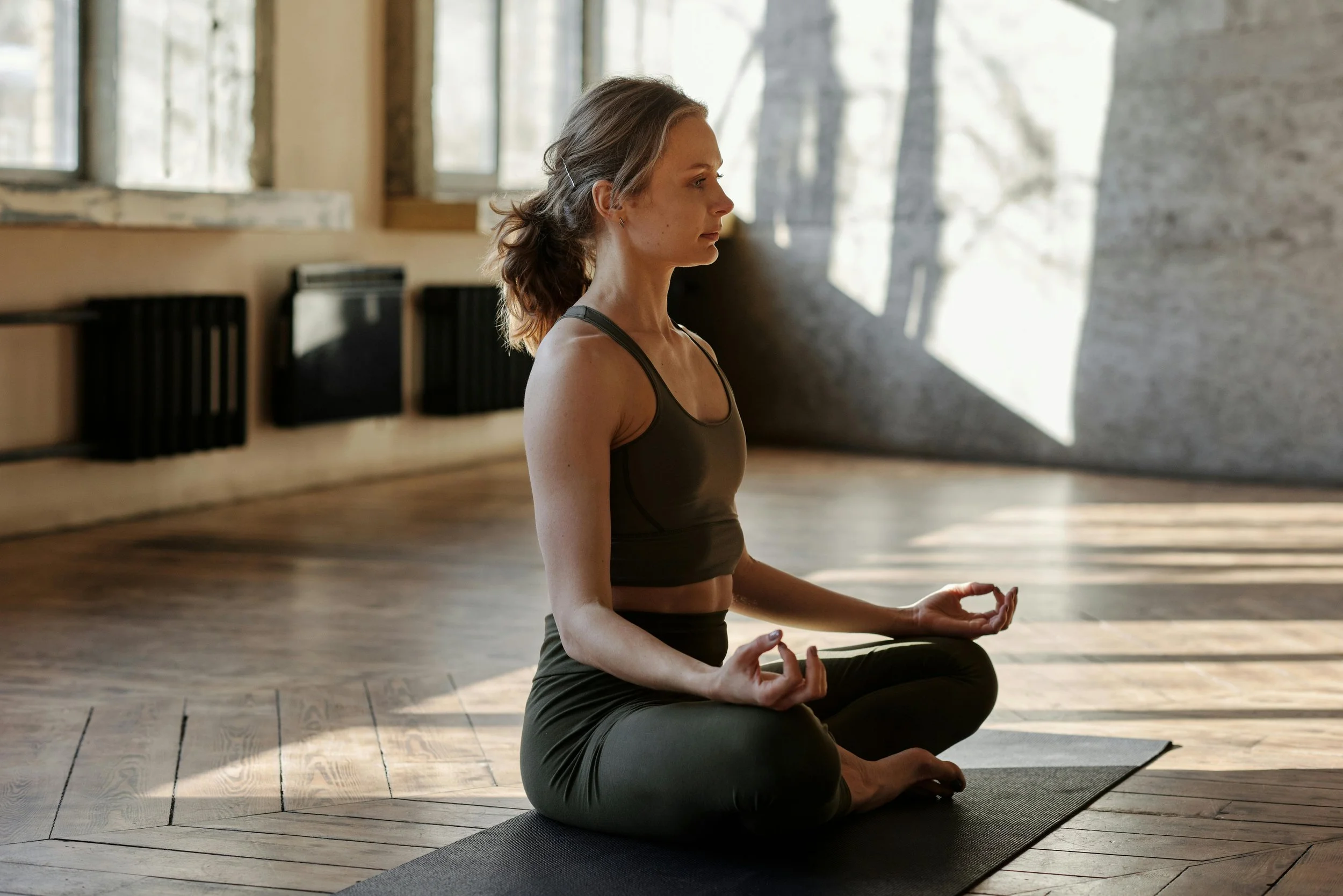
My Experience with Guided and Silent Meditations
I almost exclusively meditate with silence. Sometimes, when I’m learning a new technique or practicing in a different tradition than I normally practice, I will use a guided meditation. I also have a few mindfulness podcasts I love, and when I see a guided meditation that sounds interesting, I give it a shot.
When I first started meditating, I used guided meditations almost all of the time. I will talk more in a moment about the benefits, but I found that it simply helped me learn what to do and keep my mind on track. As I transitioned away from guided meditations into silent practice, I did a bit of combination of the two.
I would find relatively short (10-15 minute) guided practices, and keep meditating after the final bell went off. This way, I was able to have the structure at the beginning to know what I was doing and fully settle, but also had space to practice silently. I have recommended this method to many students over the years, and found quite a bit of successs transitioning this way.
The Benefits of Guided Meditation
In general, I recommend guided practices for most beginners to meditation. There are many reasons for this, but the simplest is that it helps us learn how to meditate. It also helps us investigate new practices, teachers, and even different ways to cultivate the same qualities.
Structure
One of the main benefits of guided meditations is that they provide a clear structure. You don’t have to figure anything out, wonder if you are meditating correctly, or figure out when to move on to the next step. The structure of a guided meditation helps take all of that off your plate so you can focus on meditating. You also will learn the general structure of different practices.
Keeping the Mind on Track
I find, even still, that guided meditations often help keep my mind attentive to the meditation at hand. When the mind wanders, the voice of the teacher comes in and brings us back to practice. Although you sacrifice silence (more on this in a bit), you gain some reminders to keep at the practice. This is especially useful for beginners or those days when the mind just keeps wandering off.
Learning New Techniques
There are many different ways to meditate, and guided meditations can help us learn new meditation techniques or practices. Rather than just reading about a practice and going at it, a guided meditation offers a way to clearly understand how it is practiced. In my opinion, it’s a fairly necessary step in learning any new meditation practice.
Emotional Stability
Finally, guidance can help lend some emotional stability. We feel less alone or isolated when we meditate with guidance. This can be especially useful if we are having a difficult time, feel activated during meditation, or are struggling in general with loneliness. For practices that may activate our nervous systems such as self-compassion practice, guidance can give us quite a bit of emotional stability.

The Benefits of Silent Meditation
Silent meditation likewise has quite a bit of benefits. Silent sitting may not be as suitable for beginners, but I do still think everyone should try at least some periods of silent sitting. I will talk more toward the end of this post about choosing what is right for you.
Self-Reliance
One of the things we learn with silent meditation is some self-reliance. Rather than relying on a teacher to keep us present, we learn to control our own attention a bit better. We build the internal resources rather than relying on the external ones. This can help us move forward with our practice and build the necessary qualities to progress.
Deeper Concentration
Deeper states of concentration generally require silence. Simply put, it is difficult to reach the states of absorption or even deeper insight with guided meditations. They might offer instruction to understand a practice, but silence is generally seen as best for the development of these qualities. This is because we must follow our own compass and experience at some point in meditation. We work with what is arising, rather than what an instructor tells us to do.
Finding One’s Own Pace
This, to me, is perhaps the greatest benefit of silent meditation. It’s why I think even newcomers to meditation should at least try silent sits sometimes. We don’t have to move at someone else’s pace as we do with guidance. Instead, silence offers us the opportunity to move at our own pace, see where our personal attention goes, and get to know our own experience more clearly.
Easier Integration
Finally, I think silent sitting periods may lend themselves more readily to everyday practice. I talk quite a bit about learning to practice mindfulness in everyday life, and I think silent meditation offers a solid way to bridge that gap between meditation and daily life. As we practice in silence, we can then adapt that practice to walking, waiting, or sitting on a bus without the need for guidance.

Potential Downsides
Of course, there are potential downsides to each as well. You may not experience these, so don’t get stuck on any single one of them.
Guided Meditation Downsides
I think there are a couple big downsides to guided meditations, and a few smaller ones. The first that comes to mind is the limit on space for exploration. Where silence offers us the space to go at our own pace and explore where our attention goes, guidance can offer less space in this way.
The second big one is the dependence that can develop. I don’t think dependence on guided meditations is necessarily wrong or bad for everyone. But for many, learning to practice in silence can help us progress on the path, especially when we reach a plateau or feel stuck with the practice.
Other potential downsides include finding the wrong teacher, being distracted by the guidance, and having to have technology nearby to meditate.
Silent Meditation Downsides
The main con of silent meditation is that it can be just too much space, especially for beginners. With long periods of silent sitting, the mind may wander constantly. In addition, the extra space can leave us confused about what we should be doing. I think we can build quite a bit of insight and concentration in these experiences, but it also might be overwhelming if we do it too early in our practice.
The other obvious downside is that it may be hard to learn new techniques in silence. We may read about what to do in a book or online, but it simply isn’t the same as being guided through the actual practice. If we do know what we’re doing, we might find in silence that we get off track quite easily.
You also might find that silence requires discipline that you haven’t cultivated yet, increases self-doubt, and/or feels much less interesting. Unwholesome habits and patterns may go unchecked as well, such as over-analyzing, suppressing thoughts, or straining.
Choosing the Right Meditation
So, how do we choose the right type of meditation for us? We should certainly consider the pros and cons of silent and guided meditation. We should take into account our goals, our experience, and our current abilities to practice.
For Beginners
For beginners to meditation, I generally recommend starting with guided meditations. The benefits of learning new techniques and staying on track often outweigh any potential downsides. If you can, mix in some silent sits but use the guidance as the foundation of your practice when you’re starting out.
Long-Term Practice
For long-term growth in practice, I do recommend moving toward a more silence-based sitting practice. For the reasons listed above in the section on the benefits of silent meditation, I find it to be most useful in building depth to one’s practice. As you begin to develop deeper levels of concentration and insight, silent periods will help give you the space you need.
Balancing the Two
I don’t think any meditator is “above” guided meditations. Even those with years of experience can benefit from guidance here and there. And, someone with a solid practice will be able to work with a guided meditation without issue. Likewise, I think beginners should try some periods of silent sitting.
There are a few ways you might investigate the two ways to meditate together. The first is how I did it. Sit with short-ish guided meditations, and continue sitting in silence after the final bell rings. This is a great way to get the guidance, but still gift yourself the space of silence.
The other option is to do some days with guidance and some with silence. I can’t tell you as a blanket statement what the right ratio is. You have to investigate for yourself. If you meditate every day, try a couple days of silence and the rest with guidance!
If you’re just getting started with meditation and not sure where to start, I recommend checking out my Mindfulness for Beginners page for tips, understanding, and some practices. I also have the Intro to Mindfulness course, a weeklong online course freely offered.
To stay connected, join the free WhatsApp group. The group is a place to ask questions, discuss mindfulness, find meditations, and get links and topics to the weekly sitting group. You can join the group for free at OneMindDharma.com/chat.
More Posts