What is the Purpose of Meditation?
“Meditation is not evasion, it is a serene encounter with reality.”
People meditate for many different reasons. They might want to clear their minds, reduce stress, or process something. Although these are wonderful benefits of meditation, they aren’t necessarily the true goal of meditation.
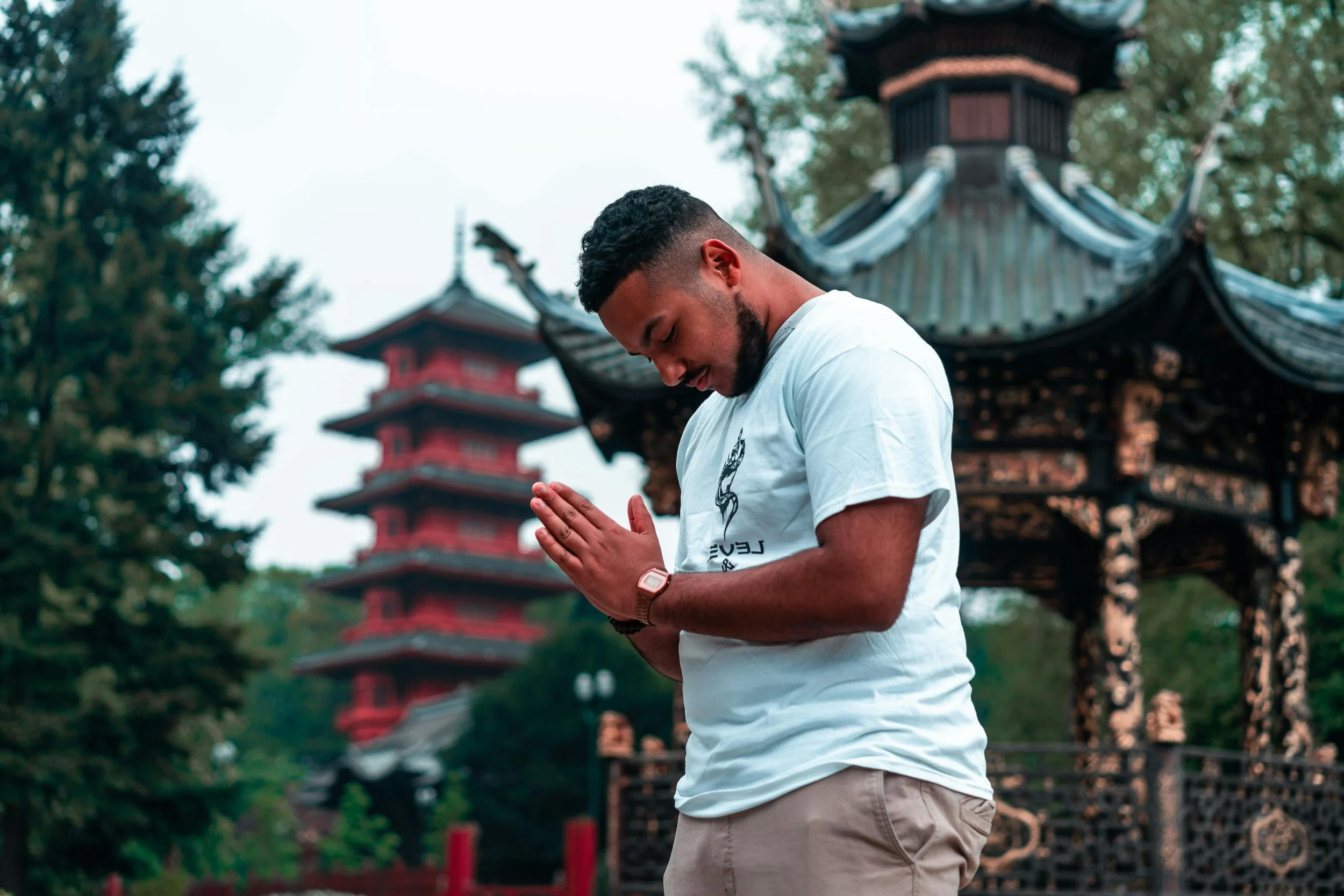
The General Goal of Meditation
Meditation in general is a period of dedicated practice to cultivate something. I know that is vague. But it truly can be anything. In Buddhist meditation, we might be cultivating mindfulness. Jesuits meditate to cultivate a deeper relationship with a god. Visualization practices may aim to cultivate an understanding or new perspective.
Whatever the tradition, religion, or school, meditation practice is a dedicated time to reflect, cultivate, or investigate. I will go into the purpose of Buddhist meditation including mindfulness meditation, concentration meditation, and the heart practices. I won’t really speak on the other meditation traditions, as I don’t have a ton of experience with them!

The Benefits of Meditation
A lot of my students come to meditation practice with some goal. It’s often to relieve stress, to deal with a specific difficulty, or to build some focus. These are great goals, and real byproducts of meditation practice. However, they aren’t the true purpose of meditation.
I’ve written about the benefits of meditation before, covering nearly thirty research papers looking at mindfulness and meditation. I have seen many of these benefits myself. It’s perfectly alright to meditate with the goal of finding peace, supporting your health, or aiding in sleep. For you in this moment, that is your goal.
Although we may come to meditation with a goal, I do think it’s important to understand the true purpose of meditations in the Buddhist context from which they come. We need not identify as Buddhist in any way to understand exactly what meditation is and how it serves us.
I’ll cover the purpose of meditation from a Buddhist perspective, and then go into more secular mindfulness practice to talk about the goals. If you are relatively new to meditation or meditate in a more secular manner, I encourage you to not get overwhelmed by the Buddhist teachings here; they take time to understand and experience, and this post can just serve as a jumping off point.

The Purpose of Buddhist Meditation
Meditation in Buddhism is an essential tool to develop many different qualities. It may be to cultivate a quality on the Noble Eightfold Path, or to develop one of the four brahma-viharas (or heart practices).
The Purpose of Mindfulness Meditation
The most well-known form of Buddhist meditation in the West is certainly mindfulness meditation. It’s leaked out from Buddhism into other traditions, practices, and perspectives. Although we may think of mindfulness as simply being present, this isn’t really the entirety of the purpose.
Mindfulness meditation helps us in many ways, but the purpose of mindfulness meditation in Buddhism is to develop insight into the Three Marks of Existence. These three qualities (non-self, dis-ease, and impermanence) pervade everything we experience, and mindfulness helps us to see and understand these characteristics in all we touch.
Through continual meditation practice, mindfulness helps us develop a deep understanding of how these three marks work. The insight and understanding helps us to cultivate wisdom, Wise View, and detachment to experience.
Mindfulness is practiced in many ways. You might practice mindfulness of the body with a body scan meditation, an open awareness practice, or mindfulness of the breath. Mindfulness is not dependent on the object we are observing; we can practice mindfulness of any experience whatsoever.
Concentration Meditation
Another core practice in Buddhism is concentrative meditation, or samatha. As the name suggests, concentration practice aims to cultivate a state known as samadhi. Samadhi is often understood to mean concentration or collectedness, but it refers to something very specific on the Buddhist path.
The purpose of concentration meditation is to develop oneself with the four states of absorption. These are four states of being in which the meditator frees themselves from the five hindrances and experiences a deepened state of concentration and tranquility. The states of concentration help support insight by allowing us to be fully present with whatever is arising.
Concentration meditation is generally done with some focus on the breath. It could be a breath counting practice, a mantra meditation in some traditions, or a simple naked concentration meditation with the breath. You can also use loving-kindness as a concentration practice!
Heart Practices
The last piece of Buddhist meditation is that of the brahma-viharas, or heart practices. These four qualities of loving-kindness, compassion, appreciative joy, and equanimity are four qualities we cultivate to free our hearts.
The purpose of these meditations is to cultivate an open and loving heart. The cultivation of these four attitudes help support concentration and mindfulness, while combating things like hatred and aversion. They are traditionally done through the repetition of phrases.
Secular Mindfulness and Meditation
In more secular mindfulness practices like MBSR or mindfulness-based cognitive therapy, the purpose of meditation may be a bit different. In these secular practices, the primary purpose is often to watch experience (thoughts, feelings, bodily sensations) without attachment or aversion. This is very similar to the core of Buddhist practice.
The big difference is that secular mindfulness generally rests there rather than focusing on things like the Three Marks. By bringing awareness to the thoughts, emotions, and physical feelings, we learn to respond to experience with more acceptance and patience. The idea is that this reduces stress, promotes healthy responses to difficulties, and helps us uncover and change patterns in our lives.

Finding Your Purpose in Meditation
When working with students, I like to stress that they can practice for any reason. Although the Buddhist understanding is that meditation is a tool to develop specific qualities or insights, the ultimate goal is to achieve liberation.
If what is true for you is that meditation helps you respond to anger with more wisdom, decreases your anxiety, or helps you face stressful situations more skillfully, great. Is that not liberation in a sense?
We don’t need to start our path with the deepest purpose of meditation in mind, nor do we ever need to even necessarily consider the three marks of existence or any other Buddhist teachings. One of the beautiful things about meditation to me is that we all can take personal steps toward more freedom with practice.
I do practice within the Buddhist context myself and find the teachings surrounding absorptions and the three characteristics to be important and helpful, but I also realize that this is not necessarily true for all of my students. Consider your own personal path. How can you find purpose with your practice that is rooted in something wholesome and skillful?
If you are new to meditation and mindfulness, I recommend checking out my Guide to Mindfulness for Beginners to get started. It covers what exactly mindfulness is, common questions and struggles, practical tips, and how to get started!
More Posts

Matthew Sockolov is a Buddhist meditation teacher who trained at Spirit Rock Meditation Center in Woodacre, California. Completing the Dharma Leader training program in 2017, Matthew was given power to teach in the Insight Meditation tradition by Jack Kornfield, Kittisaro, Thanissara, and others. You can learn more about Matthew here.