Mindful Journaling: 78 Journal Prompts to Cultivate Mindfulness
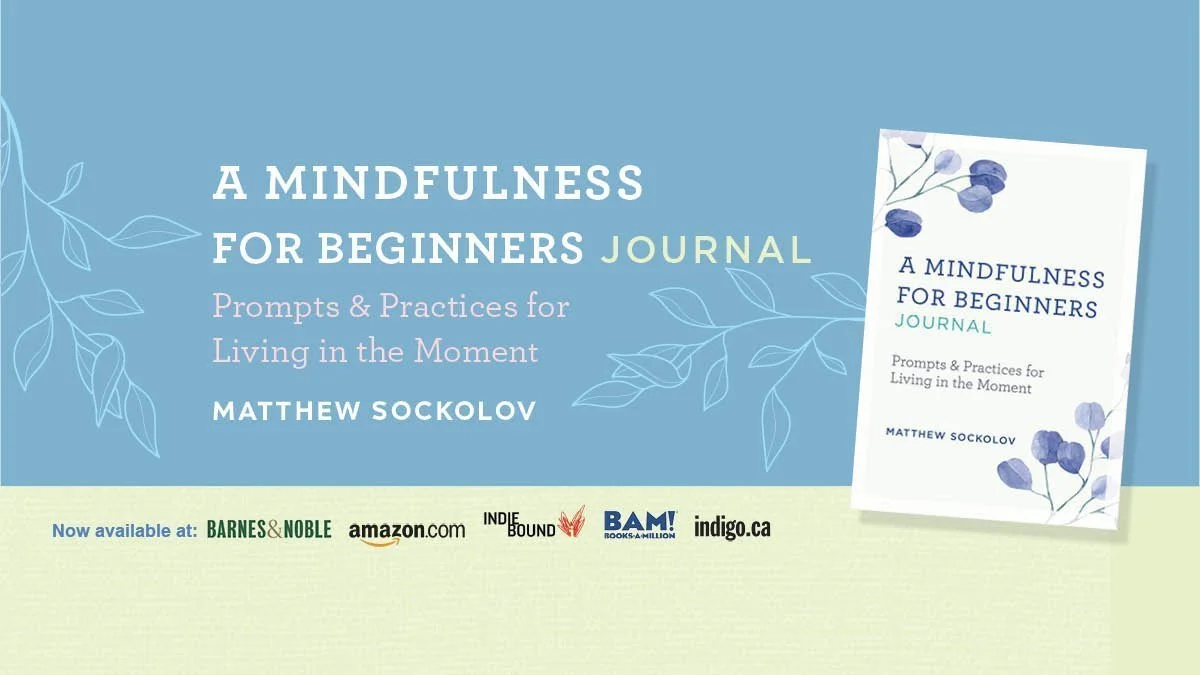
When people think about mindfulness, they often think of meditation. But there are many ways to practice mindfulness. One of them is journaling, and let’s just say I’m a big fan! After the success of my bestselling first book, Practicing Mindfulness, the publisher asked what I wanted to write about next. I chose to create a mindfulness journal for beginners because I deeply believe in the power of journaling.
For another mindfulness-based activity, check out my Free Printable Mindfulness Coloring Pages and for more journal prompts check out this page for prompts on self-compassion.

What is Mindful Journaling?
Mindful journaling, as the name suggests, involves combining the practice of journaling with mindfulness. It is rooted in present-time awareness, nonjudgemental observation, and curiosity. We might directly investigate our present-time experience in this way, and stay rooted to what is real and salient for us.
I will offer some tips and suggestions toward the bottom of this post, but I think part of a mindful journaling routine should involve a few minutes of meditation. You can try sitting for just a minute or two to settle yourself and connect with your intention of mindfulness before jumping into the actual journaling process.
Journal Prompts and Practices
I have a lot of ideas of useful prompts to use for a mindfulness journal. I’ve separated them out into various sections below. If you want a PDF of these to download/print, head to the bottom of the list.
Pure Mindfulness
What is present for me right now?
What can I notice in my body in this moment?
What sounds are present around me?
How does my breath feel in this moment?
What feels pleasant right now? Unpleasant? Neutral?
Where can I recognize impermanence right now?
Where do I notice tension?
Where do I notice ease?
What sensation or experience is present that I sometimes overlook?
What does stillness feel like?
What am I resisting in this moment?
Emotional Experiences
What emotions are present right now?
How does this emotion feel in the mind and the body?
Is the emotion changing in any way or staying the same?
What happens when I allow this feeling to be?
What might have triggered this feeling to arise?
What emotions did I experience today?
What emotions lie underneath the surface right now?
What would it be like to fully feel this emotion without judgement?
Does anything help soften the emotion?
Do I feel curious, resistant, or indifferent to this emotion?
Thoughts and Mental States
What thoughts are passing through my mind right now?
What story is my mind telling?
What happens if I don’t engage with this thought?
What is the mental state (critical, analytical, anxious, content, etc.)?
Do any thoughts repeat?
Is the thought about the past, present, or future?
Is my mind trying to solve something right now?
How does this thought impact my body?
What does the space feel like between thoughts?

Clinging and Craving
Is there anything I am wanting right now?
Is there something I am holding on to?
What am I afraid of losing?
Is there anything I am resisting or pushing away?
What do I need to feel okay in this moment?
What happens if I don’t get what I want?
How does craving show up in my body?
What does it feel like to let go of craving?
What works to soften the intensity of craving?
Gratitude
What do I appreciate in myself right now?
What do I appreciate in another?
What made today even slightly better?
What is something I take for granted?
What in my body is working well today?
What in my mind is working well?
What challenge has helped me grow?
What is something beautiful I noticed today?
What is something I’ve learned recently?
When did I smile today?
What can I appreciate even though it is imperfect?
What feels like enough in this moment?
Loving-Kindness
What does it feel like to offer myself kindness?
What do I need in this moment?
What words of kindness do I need to hear?
How would I speak to myself if I were a close friend?
What pain needs self-compassion in this moment?
Where was I kind to myself today?
Where was I unkind to myself?
Where was I kind to another today?
Where was I unkind?
What resistance to kindness is present?
What does it look like to care for myself right now?
How does my experience change when I relate to myself with gentleness?

Relationships
What relationship needs attention in my life?
How do I feel toward this person?
What do I appreciate about my partner?
What expectations do I have of them?
What expectations do I have of myself in a relationship?
What feels easy about the relationship?
What feels difficult?
Is there anything I want to say but am not saying?
What might my partner be experiencing right now?
How can I show more care in this relationship?
How do I receive care?
What boundaries do I need to set?
How can I listen more deeply?
What patterns bring joy in the relationship?
What patterns need some work?
Journaling Tips and Suggestions
I encourage you to find what works for you in your journaling practice. Along the way, these tips may help you get the most out of your journaling practice.
Create a Routine
One of the best things you can do to incorporate mindfulness into your life is to practice regularly. I talk about this more in my post How Often Should You Meditate as a Beginner?, but the research very cearly suggests that consistency beats duration when it comes to meditation and mindfulness. Try to practice regularly to get the full benefits of practices like a mindfulness journal.
One of the best ways to do this is to create a routine. Do your journaling practice every night at the same time. Do it in the same place, and create a habit out of it. As we make it more regular, it becomes easier and easier to do.
Meditate
Obviously I’m of the opinion that meditation is useful in general. But here I mean to specifically meditate before starting your journal practice for the evening. It doesn’t have to be a long in-depth meditation. Maybe just take a few deep breaths or do a short five minute meditation. Center yourself, connect with your intention to be present, and investigate how meditation can support your journaling practice.
Stick with an Anchor
Throughout your practice, use an anchor to stay present. This can be the breath, which is the most common way to anchor to the present moment. While journaling, you can use this anchor to remind yourself to stay present. It doesn’t have to be the breath. It can be the sensation of your feet on the floor, a noise you hear, or some gentle music.
Let Go of Perfection
Finally, let go of any ideas of perfection. The idea of a mindfulness journal is not to be perfectly mindful in every moment. You don’t need to write perfectly clearly, or even be able to read your handwriting necessarily. The simple act of writing gets our brains working in a different way, and the benefit often lies in simply engaging in this way!
To stay connected, join the free WhatsApp group. The group is a place to ask questions, discuss mindfulness, find meditations, and get links and topics to the weekly sitting group. You can join the group for free at OneMindDharma.com/chat.
More Posts






Matthew Sockolov is a Buddhist meditation teacher who trained at Spirit Rock Meditation Center in Woodacre, California. Completing the Dharma Leader training program in 2017, Matthew was given power to teach in the Insight Meditation tradition by Jack Kornfield, Kittisaro, Thanissara, and others. You can learn more about Matthew here.