How Long Does Mindfulness Take to Help Anxiety?
We know that mindfulness can help reduce symptoms of anxiety. And many people are looking for some quick relief. But how long does it actually take for mindfulness to help anxiety?
The truth is that there really are two separate answers here. Some benefits may be found rather quickly. Meditation can be a great tool for moments of anxiety. The more noticeable changes, however, take some time. And perhaps most importantly, it takes consistency.
I like to compare meditation and mindfulness to exercise rather than a pill. If you have a headache, you might be able to take a pill to help take the pain away. If you want to grow stronger, one period of exercise isn’t going to make you noticeably stronger in general. It takes time, consistency, repetition, and commitment.
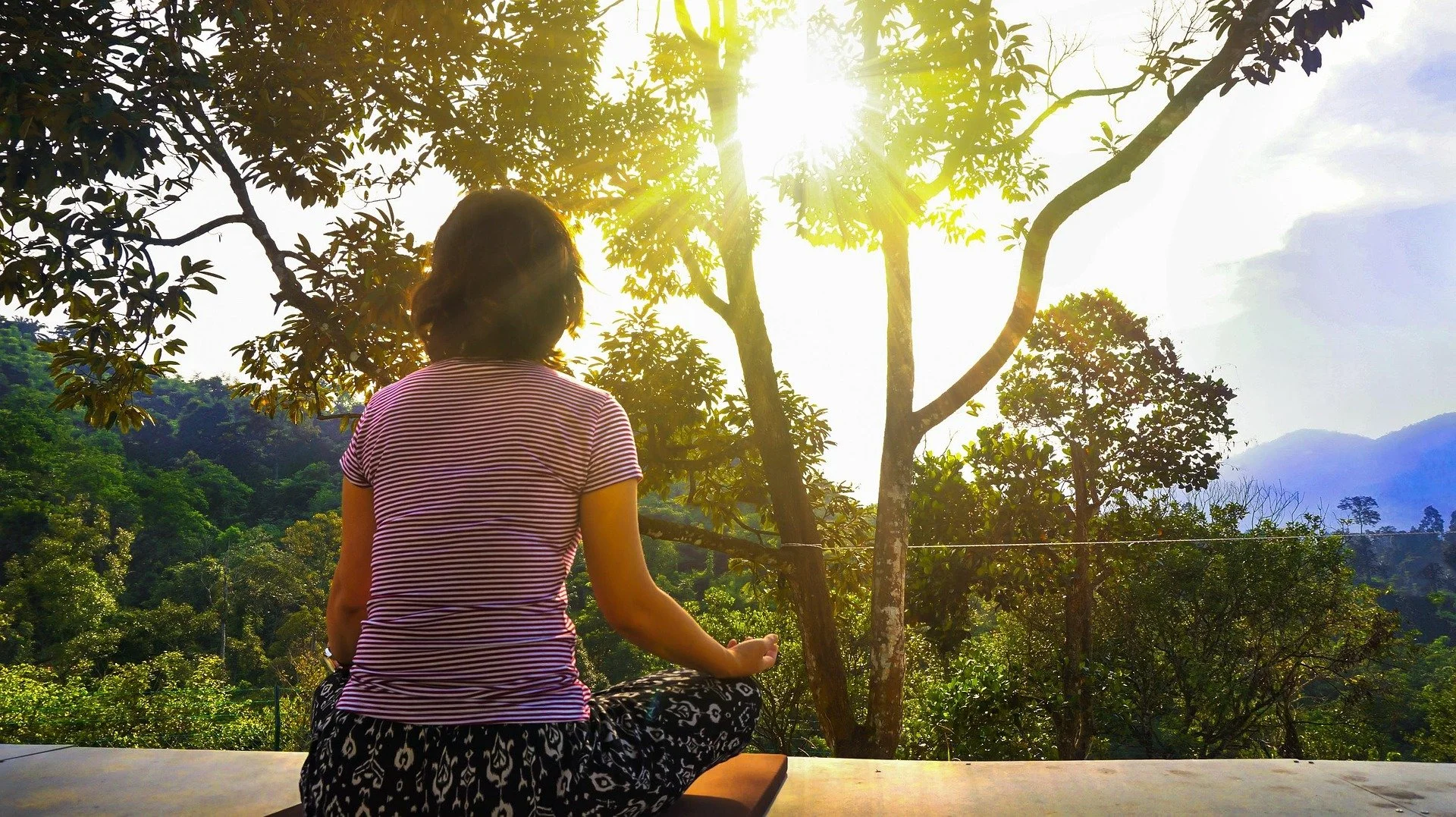
The Benefits of Mindfulness for Anxiety
It is well-documented that meditation can support individuals with anxiety. A 2026 meta-analysis found that mindfulness-based interventions reduced symptoms of depression, anxiety, and stress. It also showed improvements in emotional regulation and psychological wellbeing. The study found longer interventions to be more effective than shorter ones, with neuroimaging studies suggesting changes in the brain networks involved in emotional processing and stress regulation.
A 2014 study looked at mindfulness-based stress reduction (MBSR) compared to stress management education in working with individuals with generalized anxiety disorder (GAD). This randomized controlled trial found greater reductions in anxiety in the MBSR group (both clinician-reported and self-reported) than the active control.
Research has found both short-term and long-term benefits of mindfulness-based practices in helping those with anxiety. It definitely is clear that long-term practice shows greater benefit, but people still experience benefits in the short-term.
Short-Term Benefits
In the short-term, meditation and mindfulness can offer a way to ease symptoms of anxiety. One study from 2010 found that single mindfulness sessions of as little as ten minutes reduced subjective stress and anxiety in participants. In a small 2022 study, a single period of meditation during an anxiety spike was reliable in decreasing anxiety, stress, and negative affect.
Although meditating while anxious may seem like the hardest thing to do, it does seem that it has the potential to create some relief. It may not last more than a few hours or a day, but it does seem to provide some immediate relief. Anecdotally, I have found this to be true as well.
Although we may not produce a foundational lasting change with one period of meditation here and there when we are anxious, we can utilize mindfulness in these moments. Mindfulness can help us in those difficult moments, and is a tool we should absolutely reach for.
Long-Term Benefits
As mentioned, the research has fairly consistently found that long-term practice produces the most significant results. Whereas the short-term benefits are more shifts in mental state, research shows longer term interventions produces reductions in trait anxiety and stress. This means one period of practice may alter your mental state, but continued practice actually changes the way we process anxiety.
Another recent study from 2025 looked at the effects of what the researchers called “practice quality” over time. Those who experienced an increase in practice quality (measured by presence, distraction, etc.) were found to have substantial and ongoing improvements in trait anxiety and stress. They found this to be causal, meaning the improved practice quality actually caused the better anxiety outcomes.
So what does this mean? In simple terms, regular mindfulness practice is where it’s at when it comes to treating anxiety. Repeated practice reduces anxiety and baseline stress levels, and alters how the nervous system responds to stressors. Importantly, this holds true even with short practice sessions.

Mindfulness and Anxiety: The Timeline
I can speak experientially, but in this day and age the research offers us a fairly clear timeline. Fortunately, my experience both personally and with students falls perfectly in line with what the research finds.
The Single Meditation Session
A single meditation session can certainly help support individuals with anxiety. In moments of difficulty, mindfulness meditation can reduce symptoms of anxiety and perceived stress. Although it’s helpful, the effects dissipate rather quickly. Some studies found effects lasting for ten minutes after meditation, while others found effects lasting for up to one day.
1-2 Weeks of Practice
With more regular practice spanning the range of one to two weeks, awareness of anxious thoughts may grow. You will begin to see them more clearly, noticing patterns of thinking and emotions. After just a couple of weeks, you will notice a new understanding of the anxiety and its experience. The short-term effects experienced in single sessions begin to become more engrained.
4-8 Weeks of Practice
After a month or two of consistent practice, trait anxiety begins noticeably decreasing. You will have improved emotional regulation, less reactivity to stress, and a marked reduction in symptoms of anxiety. This is around the time that the brain begins rewiring itself and having some subtle structural changes.
You’ll have an increase in gray matter density in the hippocampus and prefrontal cortex (areas responsible for memory, learning, attention, and decision-making) , decreased gray metter in the amygdala (the area responsible for fear and stress control), and stronger connectivity in emotional-regulation networks.
Long-Term Practice
In the even longer term (months to years), we see more structural changes in the brain. Research has found effects in the brain include cortical thickening, sustained connectivity, reduced age-related decline, and lasting hippocampal connectivity. Where the effects at 4-8 weeks are subtle but notable, they become much more pronounced here.
In the long term, this means anxiety can be transformed quite profoundly. These structural changes result in a drop in worry and hyperarousal, much stronger stress buffering, faster recovery from stressors, and less physiological reactivity. This last one means less cortisol (the stress hormone) is released. We quite literally experience less stress and anxiety, and when it is present we are able to recover more quickly.

Why Mindfulness Takes Time
I know it isn’t necessarily the answer we’re looking for. We want a quicker fix. But the truth is that mindfulness takes time. It takes time to train the attention, and takes repetition. We can’t expect to sit in meditation and master our minds in one or two sittings. As we continue to practice, we build our ability to cultivate presence and awareness.
From the perspective of neuroscience, the brain takes time to build and strengthen new connections. The nature of anxiety is one of habitual automatic mental loops, which causes those networks to have quite a bit of strength. In order to teach the brain and nervous system a new approach to stress, it takes repeated practice. We are working with strong existing connections in the brain, and must re-train the brain slowly.
It’s important to note that consistency is key. I cover this more in my post How Often Should You Meditate as a Beginner? The research suggests quite clearly that frequency is crucial when it comes to progress in meditation. People who meditate regularly are more likely than sporadic meditators to experience benefits of practice and build a regular habit.
Common Beginner Difficulties
The first few weeks of meditation are often the most difficult. Plenty of new experiences may arise, and some periods of meditation can be rather uncomfortable. Here are a few common difficulties you might notice in your first few weeks working with anxiety. Remember that if you want support, you can book a free consultation here. I am here to support your practice.
Seemingly More Anxiety
One of the most common things I hear from students meditating to help their anxiety is a perceived increase in anxiety. You may feel this during meditation, or you may find yourself anxious after meditating. In my experience, this is most often attributable to an increase in awareness. As we become more mindful, we might actually feel the anxiety more.
This is in contrast to what we often instinctively do in pushing the anxiety away. You’re tuning into your experience, and part of your experience is anxious feelings. You can work with this in many ways. Shorten your meditation sessions to make it more manageable, turn toward loving-kindness or compassion, or practice simply being with the anxiety without stopping your meditation. This trains your mind and nervous system to understand you’re okay in these moments and not in any danger.
Constant Mind Wandering
Mind wandering is just a part of meditation, especially for beginners. For people with anxiety, it may be quite difficult to start a meditation practice. Remember that the mind is just doing it’s job and processing information. We don’t need to stop thinking to meditate!
There are many ways to work with wandering minds and unwanted thoughts. We can turn toward loving-kindness, practice mindfulness of the mind, or seek to build concentration through practices like breath counting. I recommend reading my post Do You Have to Clear Your Mind to Meditate? for more tips and techniques for working with the thinking mind.
Boredom
Boredom is another common experience in the first couple of weeks of meditation. This can come up in a number of ways, includig anxiety, restlessness, and even sleepiness. Meditation can certainly feel boring, and it’s one of the reasons meditation feels hard at first for many people.
The truth about boredom is that the more we meditate, the less bored we feel. We grow accustomed to the silence and lack of stimulation. We also can learn to investigate it, try different practices, shorten our meditation sessions, or turn toward loving-kindness practice. My post Meditation is Boring - 9 Tips for Working with Boredom has more on common techniques for conquering boredom in meditation.
Signs Mindfulness is Starting to Help
Sure, we might notice our practice is working if anxiety leaves us completely. But this unfortunately is not the reality for most people. We can benefit from seeing the signs that mindfulness is beginning to help our anxiety. This gives our practice some energy and helps motivate us to continue.
You might notice that you are seeing anxious thoughts earlier. Rather than getting completely caught in anxious thoughts, you notice them arising before they’ve consumed you. This is a strong sign that your practice is headed in the right direction. It’s much easier to work with the experience of anxiety when it is mild than when we are fully sucked in.
You also could see a quicker recovery from anxiety. This may be from implementing mindfulness-based tools for anxiety, or just happen naturally. You experience an anxious moment or a stressor, and you notice that you feel better much sooner than you used to. This is the mindfulness practice at work!
Another common sign mindfulness is starting to help your anxiety is less spiraling, especially with patterns like catastrophic thinking. This is related to both recovery and seeing your thoughts earlier. You may of course experience anxiety, but the full-on spiraling seems to lack strength or happen less often.
A Starter Plan for Mindfulness for Anxiety
So, how do you actually get started with mindfulness? I write about this in my post How to Start a Daily Meditation Practice: Tips and Guidance for Beginners. Here’s my recommendation in general for people struggling with anxiety.
Start with just 5-10 minutes for the first week or so. Remember that it is normal to think during meditation, and don’t worry about clearing the mind. I generally recommend starting with some mindfulness of the breath (practice below). It may be difficult, but you will build the ability to concentrate and be in the present moment over the first week or two.
After you’ve meditated daily for a week or two, try lengthening your period of meditation to 10-15 minutes. You might consider incorporating other forms of practice, such as loving-kindness practice (practice below). I also strongly recommend the body scan meditation. This can help us get out of our heads and tune into the experience in the body.
When you’ve been meditating for a month regularly, again you might consider lengthening your sitting period by five minutes. Or not, whatever feels useful to you! Stick with a few practices (maybe two or three) and really try to dive into them. I do recommend incorporating some mindfulness of the mind or thoughts (two videos below) to familiarize yourself with the thinking mind.
Remember you can reach out for support with your practice any time. I’m happy to point you in the right direction when it comes to practices, or help you build a personalized meditation plan to get started!
Finding Additional Support
It’s important to note that although research has shown mindfulness may have great potential efficacy with anxiety, further support may be needed. Modalities such as cognitive behavioral therapy (CBT) and mindfulness-based cognitive therapy (MBCT) are two of the most effective therapies for anxiety.
I work with One Mind Therapy, my partner Elizabeth’s therapy practice, and recommend reaching out if you need support from trained clinicians. They have a wonderful team of therapists around the United States with decades of experience working with individuals with anxiety.
More Posts


Matthew Sockolov is a Buddhist meditation teacher who trained at Spirit Rock Meditation Center in Woodacre, California. Completing the Dharma Leader training program in 2017, Matthew was given power to teach in the Insight Meditation tradition by Jack Kornfield, Kittisaro, Thanissara, and others. You can learn more about Matthew here.