Life is Suffering? Understanding the First Noble Truth
One of the most well-known (and misunderstood) teachings of Buddhism surrounds the First Noble Truth, and usually goes something like life is suffering. This sounds bleak, doesn’t it?
Well, the good news is that the Buddha simply did not say this, and it is a oversimplification (and mistranslation, in my opinion) of a core teaching. So let’s dive into this idea that life is suffering, what the actual teaching here is, and how we can begin to investigate it.
The First Noble Truth
This teaching comes from the Four Noble Truths. These truths are at the core of Buddhist teaching, and encapsulate the basic philosophy and practices. The truths can be seen as a diagnosis of the “problem,” uncovering the causes, and the path toward liberation.
Now, the First Noble Truth is the truth that dukkha is a part of life. We’ll cover what this word dukkha means, but suffering is definitely not my favorite English translation. Over the years, this truth has been simplified into “life is suffering.”
However, the actual teaching (the dhammacakkappavattana sutta) actually says:
“Birth is dukkha, aging is dukkha, death is dukkha; sorrow, lamentation, pain, distress, and despair are dukkha; association with the unbeloved is dukkha, separation from the loved is dukkha, not getting what is wanted is dukkha. In short, the five clinging-aggregates are dukkha.”
You’ll probably notice that “life is dukkha” doesn’t actually appear in the teaching. Many aspects of life are dukkha, but all of life isn’t. There is more to life! The following truths go on to explain craving is at the root of dukkha, cessation is possible, and we can relieve dukkha through practice of the Noble Eightfold Path.
Note: I cover the five aggregates in more depth here.

What Does Dukkha Actually Mean?
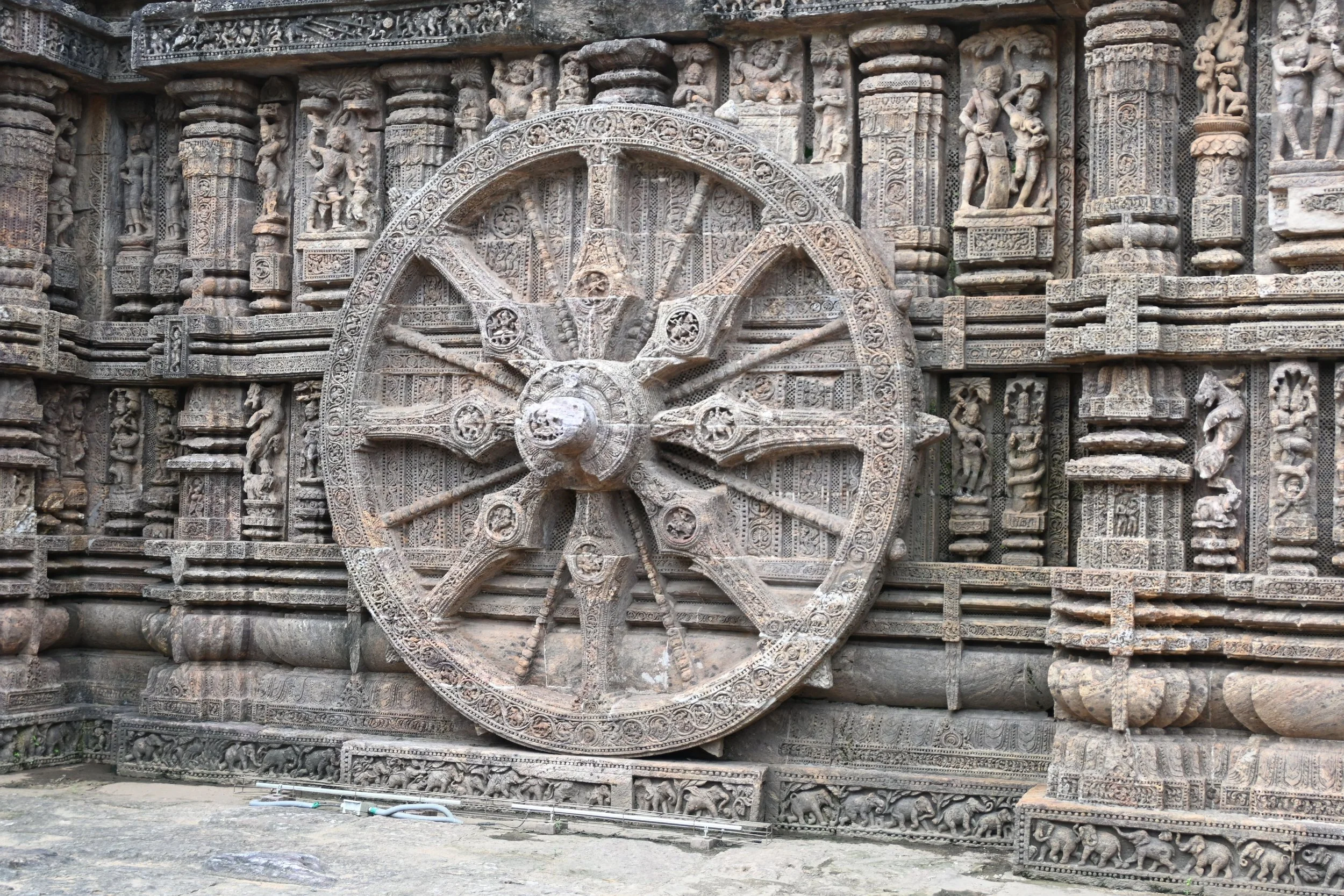
So let’s address the Pali word being used: dukkha. The prefix, du, means bad in Pali. Kha refers to an empty space, specifically in the center of a wheel (the axle-hole). So the word itself actually means a bad axle hole.
This can be visualized with a chariot in ancient India. When the axel hole is off, the cart gets a bit wobbly. As such, the ride can be bumpy, strained, and uncomfortable. This is dukkha.
Some translators use other words in place of “suffering,” and I personally think any of these words are better. They include stress, dis-ease, and unsatisfactoriness. Dukkha is not necessarily a big, grand suffering. Sometimes it is a subtle dis-ease, discomfort, or lack of satisfaction.
The Buddha taught of three kinds of dukkha in his teachings. I want to just briefly touch on these to give a clearer picture of what this word means.
Dukkha of Dukkha
The first one is often translated as the suffering of suffering or the suffering of pain. This is pretty straightforward dukkha. It includes physical and emotional pain like illness, injury, sadness, grief, etc.
Dukkha of Change
Second is the dukkha of change. This is dukkha as it relates to impermanence. For example, we experience dukkha when a relationship ends, as the pleasant impermanent experience (the relationship) comes to an end.
Dukkha of Conditioned Existence
The final form of dukkha relates to the pervasive sense of existential unsatisfactoriness borne from the five aggregates. This is a deep and core Buddhist teaching, related to impermanence and tendencies toward craving and becoming.
Is Life Bad?
So, is life suffering? No! Does life contain dukkha? You bet! We are all subject to various forms of dukkha. Nobody goes through life without experience this sometimes-subtle feeling of dis-ease or unsatisfactoriness.
However, this teaching in no way says that this is all that life has to offer. Yes, life is full of dukkha. But we also have plenty experiences of non-attachment, appreciation, wisdom, etc.
Knowing Dukkha
I think it is important to note that Buddha offered what he called the three rounds with each Noble Truth. The three rounds were to understand by reflection, directly experience the truth, and to gain insight by fully knowing.
So, with the First Noble Truth our first task is to reflect on it. Can you see how your life is full of dukkha? Maybe you don’t have constant “suffering,” but do you see this fairly consistent dis-ease, wanting things to be different, longing for someone or something, etc.?
The second insight is to directly experience the truth. I’ll cover this more in a moment, but can you actually touch dukkha in your life? The instruction here is to be with dukkha, recognize when it is present, and know it fully.
Finally, once you fully know dukkha from personal experience, you must recognize that dukkha has been understood. Remember that you know dukkha, and understand it. Don’t forget.
Practicing with Suffering
When it comes to the idea that life is suffering and working with the dukkha offered in the First Noble Truth, the simple practice is to accept dukkha when it arises. We often habitually turn away from dukkha in whatever form it arises. We distract ourselves, work harder to get more, or try to fix every problem in our minds.
Instead, we can begin to reflect on and recognize that dukkha is a part of our lives. We don’t need to be rid of it in this moment; the task is just to know it. Know how this stress feels in the mind and body. Recognize when it is present, and when it fades.
We generally do this through mindfulness meditation. We observe experience carefully, noting when dukkha is present. Again, we don’t necessarily need to change anything. The instructions here are just to begin by knowing dukkha experientially.
You also might consider incorporating some self-compassion. Self-compassion is a care for our own suffering, and helps us build the ability to be with dukkha without aversion. Below is a short five minute guided meditation you can try.
More Posts



Matthew Sockolov is a Buddhist meditation teacher who trained at Spirit Rock Meditation Center in Woodacre, California. Completing the Dharma Leader training program in 2017, Matthew was given power to teach in the Insight Meditation tradition by Jack Kornfield, Kittisaro, Thanissara, and others. You can learn more about Matthew here.