Whether you’re just getting started on the path of mindfulness or have plenty of experience, it’s important to understand exactly what we’re doing. We sit in meditation and try to bring mindfulness to everyday life, but why?
Understanding how mindfulness actually works helps give us a roadmap for our practice. Many of my students struggle with striving in practice. I think that truly understanding how mindfulness works gives us the ability to be with what is with more presence. We’re going to go through a few aspects of mindfulness practice and how we relieve suffering.
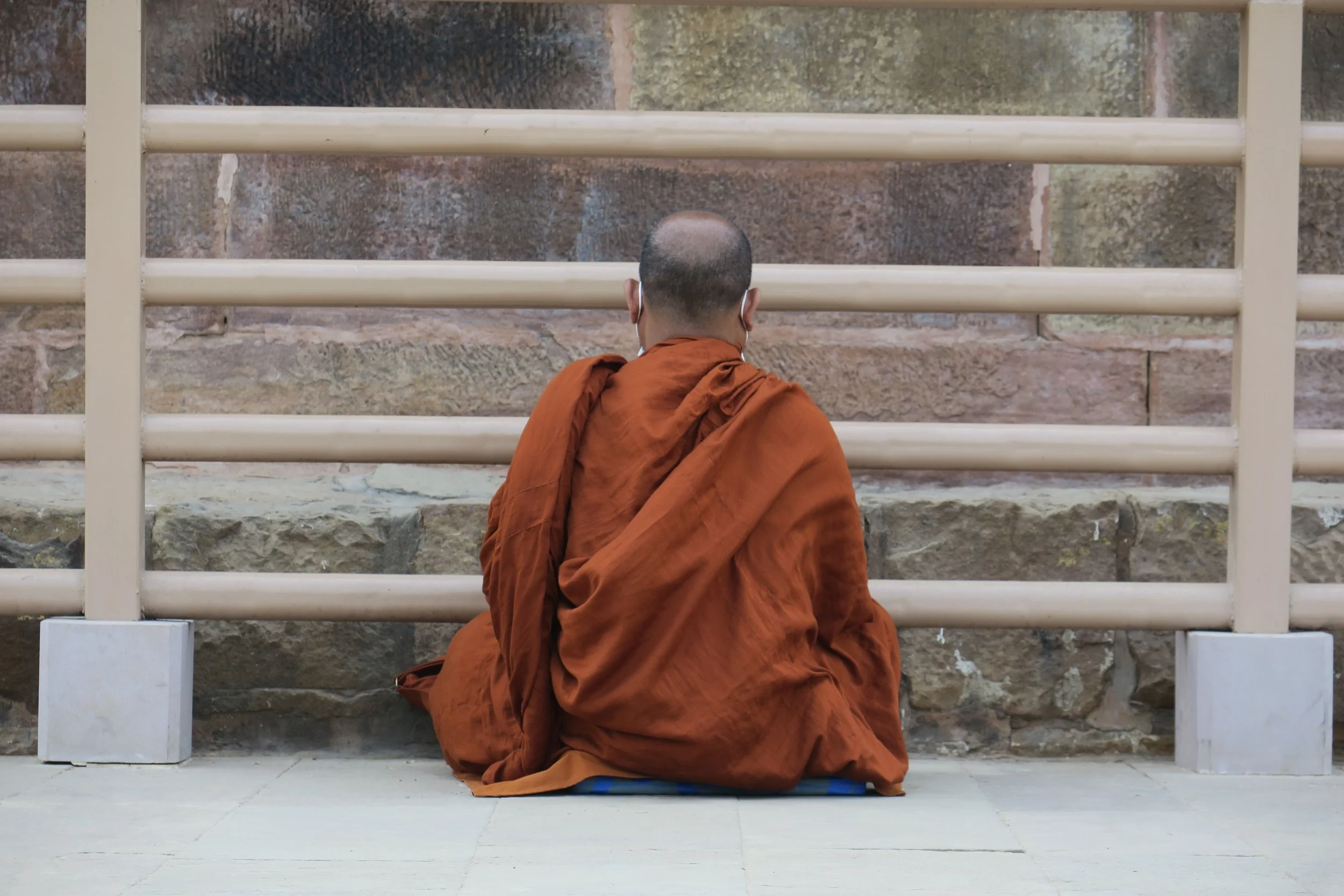
How Mindfulness Works
I’m talking mindfulness here, not meditation in general. There are many types of meditation. Mindfulness is but one. It is perhaps the most popular of the Buddhist practices, but much of it is misunderstood or lost in modern Western practices. My intention here is to offer a blueprint for how mindfulness works.
Seeing What’s Arising
The first piece of mindfulness is to simply cultivate awareness of what is present. For many people, this is synonymous with mindfulness. We cultivate the ability to be present and aware with whatever is happening in our experience. This is an important piece of mindfulness that lays the foundation for it to do its work.
We do this through focused practices like mindfulness of breathing, or more open ones like open awareness meditation and mental noting. We practice simply knowing what is happening. Over time, this knowing helps us familiarize ourselves more deeply with experience. Think of meeting someone for the first time. You don’t know much. But as you spend time with them, you see them more clearly and get the full picture.
Seeing what’s present doesn’t just help us for future work or understanding. When we know what is happening, we can respond with more wisdom. We know when anger is present, when the mind is active or calm, and when the body needs rest or exercise. Only through paying attention can we possibly know these things.
Building Understanding
Over time, mindfulness leads to understanding more clearly. This understanding that comes from experience is known as insight, and has the potential to deeply change the way we understand and experience the world. At first these may be simple understandings, like that anxiety feels this way in the body, or the mind is calm when we are in nature.
With continued practice, we increase our understanding. We understand that pain is inevitable and suffering is optional, that all experience is impermanent in nature, and that suffering happens in the mind. We don’t necessarily need to do anything or intervene. Just by watching the natural processes of mind, thought, consciousness, perception and cognition, we grow to understand more deeply.
The Release of Attachment
The Buddha taught that attachment is the root of suffering. Mindfulness allows us to relieve this attachment, and therefore the suffering. But how? As we watch experience repeatedly, the understanding grows. We see the impersonal nature of all mental experience, how it is all interrelated and just nature, and we grow less reactive.
What happens with repeated observation is a non-reactivity to experience. In some way, we habituate ourselves to the experience of the mind. And wisdom unfolds naturally. As we see the true nature of experience, we no longer instinctively grasp and hold on. This detachment allows us to both see more clearly and live with less suffering.

What This Means for Practice
That’s of course a brief overview, but what does it mean for practice? It means we need to simply continue observing experience. Have some patience, and watch what the mind is doing. When we grow restless or desire some results, we can know that the mind is doing that. But whatever is present, we can be aware of it.
In my experience, most of my students actually put forth too much effort. They’re focused on finding some calm or deep wisdom. The way we do this is by relaxing into whatever is arising right here and now. You don’t need this or that special meditation experience. You need to be aware of what is happening in the mind right now. That’s all there is to it.